What Type of Player Do You Identify As: Tactical or Intuitive?
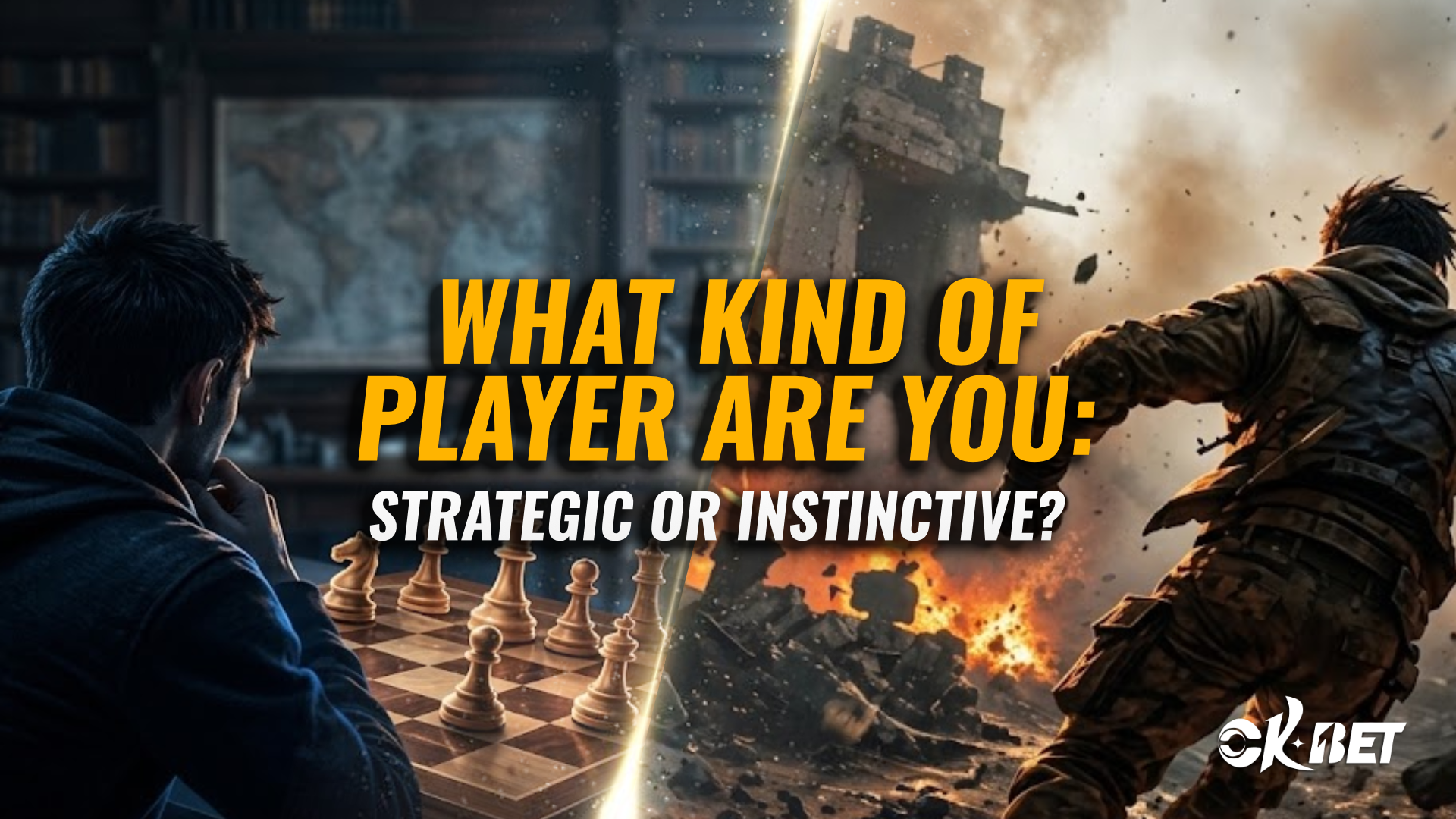
Watch two individuals engaged in the same game, and you'll notice two distinctly different approaches. One player takes their time, carefully weighing options and strategizing multiple moves, while the other acts swiftly, relying on instinct and quick adjustments. Neither method is incorrect; both styles can be found in nearly every game, whether it's a high-octane action game or a strategy game that demands careful plotting. The essential question is not about which is superior, but rather which approach is the most effective?
Two Completely Distinct Playing Styles
Every player brings their unique personality to the game, often subconsciously. Some rely on reasoning and foresight, while others trust their instincts and timing. Both methods are valid but exhibit markedly different thought processes, which can significantly affect your gaming enjoyment.
Traits of a Strategic Player
Strategic players typically take their time before making a move. They maintain a broad perspective, contemplating potential outcomes and focusing on long-term benefits rather than immediate gratification. This mindset often results in fewer mistakes, as players weigh additional information before deciding.
Generally, strategic players prefer to wait for the optimal moment rather than rushing into action. They prioritize accuracy over speed, understanding that a well-timed decision can outweigh the urgency of the moment.
Advantages in Planning-Intensive Games
Resource management, positioning, and extended decision-making are key components in many games. This analytical patience is rewarded in turn-based games, city-building simulations, and other slower-paced genres.
Characteristics of an Instinctive Player
Responding Before Overthinking
Instinctive players make snap decisions rather than deliberating. They don't sift through an exhaustive list of scenarios; instead, they assess situations as they arise and react immediately. This approach is particularly effective in games where hesitation can be more detrimental than making a misstep.
Confidence in Quick Execution
Instinctive players find it easy to take action without needing extensive information, while strategic players prefer to gather data before proceeding. Rather than predicting every possible outcome, instinctive players adjust to changes as they occur.
Strength in Fast-Paced Games
This style tends to shine in games where speed and adaptability are paramount, making intuitive thinking more suitable for fast-paced shooters, reaction-based games, or situations requiring rapid decision-making.
Why Different Styles Are Perceived Differently
Increased Initial Mental Work for Strategic Approaches
Planning ahead often requires holding numerous ideas in mind, which demands a considerable amount of cognitive processing before reaching a decision. This is one reason why strategic players often prefer a more relaxed, calm setting.
Instinctive Thinking Relies on Pattern Recognition
Instinctive gamers frequently draw on patterns they've internalized through experience and repetition rather than consciously weighing their options. They bypass extensive evaluation because their minds recognize situations and respond almost automatically.
Different Approaches Aren't Necessarily Better
Thoughtfulness Characterizes Strategy
Methodical behavior doesn't imply a lack of decision-making. Strategic players simply take the time to carefully evaluate their choices before acting. Their strength lies in planning ahead and adhering to that plan, rather than prioritizing speed.
Instinctive Play is Valuable
Precision doesn't equate to recklessness. Many instinctive players have honed their reactions to be both accurate and natural, even without conscious thought.
Why Some Game Styles May Outshine Others
The Craft of Game Design for Future Strategies
Skills such as resource management, patience, and location-based accuracy are rewarded in many games, with strategic players likely to thrive in these environments. These games provide ample time for players to contemplate their options without penalizing them for taking that time.
Games Built for Speed and Adaptability
Instinctive players tend to excel in fast-paced games where there is little room for hesitation. In such cases, overthinking can be counterproductive, as quick decisions often lead to more advantageous outcomes than delayed ones.
Can a Player Exhibit Both Styles?
In fact, most players blend the two.
Very few players fit neatly into a single category. Many instinctive players still engage in planning during slower game phases, while many strategic players lean on their instincts during sudden, unexpected situations. The two styles complement each other rather than being mutually exclusive.
Context Matters for Style
Depending on the scenario, a single game can prompt various approaches from the same player. An unanticipated encounter might trigger an immediate, instinctive response, while a brief moment of silence could encourage more strategic thinking.
How Understanding Your Style Can Enrich Your Experience
Quick Decision-Making Can Be Trusted by Strategic Players
Strategic players can become more comfortable in time-pressured situations by practicing quicker, smaller decisions. This approach provides flexibility when speed is crucial, but it does not replace the need for careful planning.
Taking Time Can Benefit Instinctive Players
Instinctual players might also minimize unnecessary mistakes by pausing to make more thoughtful decisions in circumstances where planning is more vital than acting on impulse.
Leveraging Your Strengths
Understanding whether you're more instinctual or strategic can guide you in choosing the games you enjoy the most. A fast-paced game may resonate more with someone who thinks quickly, while a game that requires patience might appeal to someone who prefers meticulous planning.
Stepping Outside Your Comfort Zone Fosters Growth
Engaging with games that challenge your natural style can also help you develop new skills. A player who usually favors strategy might find unexpected enjoyment in a slower-paced game, while someone who thrives in fast-paced environments could be surprised by the enjoyment a more deliberate strategic game offers.
Both Approaches Enhance the Gaming Experience
Whether leaning towards a strategic or instinctive tendency reveals more about a person's inherent mental processes than it does about skill or ability. Instinctive players are agile and adaptable, while strategic players exhibit patience and preparedness. Most players actually oscillate between the two styles depending on the context, and neither method is inherently superior. Recognizing one's own style does not constrain gameplay but rather clarifies why certain games may be more enjoyable than others, while some might present more challenges.
À lire aussi

How Digital Platforms Are Transforming African Football Fan Engagement

La Croatie contre les sélections africaines en Coupe du Monde

Les principaux événements sportifs à venir au Maroc et les attentes des fans
L'excitation intense des gradins et des écrans géants

Casino Bitcoin et passionnés africains : guide sécurisé 2026
