Cafu clarifies the controversy surrounding the 1998 World Cup: We were not lenient with Norway in eliminating Morocco.
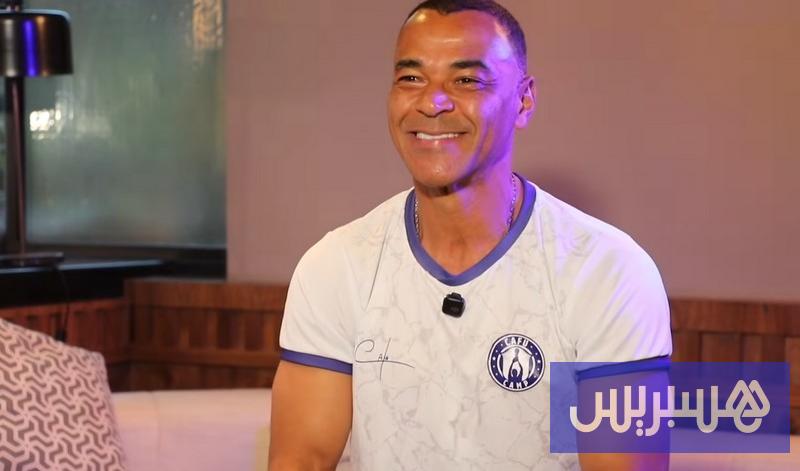
Brazilian football legend Cafu denied any coordination between his national team and Norway during the 1998 World Cup in France, aimed at facilitating Norway's qualification at Morocco's expense. He emphasized that Brazil would never compromise in any match during the tournament and that claims of intentionally losing to the Norwegians are unfounded.
In an exclusive interview with Hespress, Cafu responded to questions about the ongoing controversy surrounding that match in Moroccan sports memory, stating that the Brazilian team approached all its games with a strong desire to win. He denied any prior arrangement to ease up against Norway or influence Morocco's chances of advancing to the next stage.
The former "Samba" captain confirmed that Brazil did not wish to lose any match in the World Cup, explaining that if the opportunity had arisen for the players to secure a victory over Norway, they would have done so without hesitation. He firmly stated that the narratives suggesting an agreement between the two teams are inaccurate.
This incident dates back to the final round of the group stage in the 1998 World Cup, when Morocco achieved a 3-0 victory over Scotland, which could have opened the door for them to advance. However, Norway's win over Brazil secured the European team's qualification, raising questions among Moroccan fans about the circumstances of the match.
Reflecting on memories from that World Cup edition, Cafu mentioned the final that Brazil lost to France 3-0, a match surrounded by controversy regarding the health of striker Ronaldo Nazário, who suffered a sudden illness before the game.
The former Brazilian international confirmed that Ronaldo indeed experienced a seizure about six hours before the match, stressing that this incident is true. However, he rejected attributing the defeat to it, considering that the French team performed better and was more effective on the pitch.
Cafu said, "Ronaldo had a seizure about six hours before the match, and that is true, but we did not lose the World Cup for that reason. France played better and was more efficient than us on the field, and therefore deserved to win."
Regarding Brazil's declining results in recent World Cup appearances, Cafu attributed this to the constant changes in the squad, both in terms of coaches and players. He pointed out that repeated changes in coaching staff and the lack of stability in a specific group have hindered the establishment of a clear identity and cohesive playing style.
He explained that the Brazilian team has undergone significant transformations, integrating young players alongside more experienced ones, without providing the necessary continuity for harmony among the various elements, which has affected performance and results in several international tournaments.
Cafu recalled his exceptional World Cup journey, noting that he participated in four editions, being the only player in football history to play in three consecutive finals in 1994, 1998, and 2002. He mentioned that these appearances provided him with numerous memories that are difficult to compile in one moment.
The Brazilian star chose his country's 2002 World Cup victory in South Korea and Japan as the best memory of his career, after he captained the team and lifted the World Cup trophy, contributing to Brazil's fifth title in football history.
Regarding the 1994 final against Italy and the famous penalty missed by Roberto Baggio, Cafu explained that moment brought great joy to the Brazilian players, while Italy experienced sorrow, considering this contrast a part of the nature of sports competition.
He confirmed that he met Baggio on subsequent occasions and that mutual respect still exists between them, praising the status of the Italian player in the history of world football and noting that players recognize each other's value without needing to reopen painful memories they have experienced.
On the club level, Cafu considered AC Milan's loss in the 2005 UEFA Champions League final to Liverpool as one of the toughest moments he experienced, after the Italian team finished the first half leading 3-0, only for their opponent to equalize and win the title on penalties.
He recalled that match as one of his worst football memories, while also remembering Milan's success in overcoming that disappointment and winning the European title in 2007 against Liverpool again, in a match that provided an opportunity for sporting redemption.
When discussing football legends, Cafu gave special recognition to his late compatriot Pelé, considering him the player of the century and one of the most prominent names in the history of the game, noting that Pelé's achievements and status make comparisons with other stars difficult.
Regarding the future of his compatriot Vinícius Júnior at Real Madrid, Cafu ruled out that it is the right time for the player to leave the Spanish club, despite the criticisms and difficult periods he may face, explaining that the relationship between the two parties remains based on mutual need.
Cafu stated, "Real Madrid still needs Vinícius, and Vinícius needs Real Madrid," emphasizing that the player has great potential and many years of contribution ahead. He noted that performance dips at times are natural in any player's career, especially since the Brazilian forward continues to score and deliver good performances.
Cafu concluded by stating that the success of major teams and clubs is linked to technical stability and continuity of work, recalling the experience of the Brazilian national team, with which he won two World Cups. He affirmed that building a clear identity on the pitch is one of the essential factors for achieving results in major competitions.
More from this section
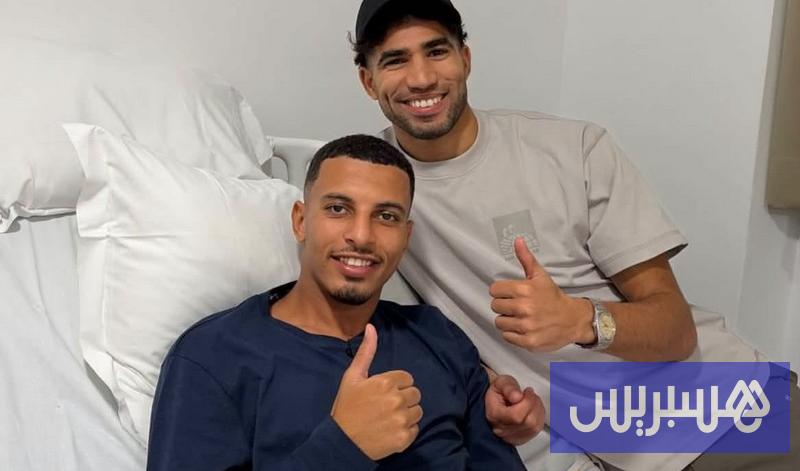
Hakimi visits Onahi after successful surgery
Raja CA is moving towards a decision to dismiss coach Juan Carlos Garrido.
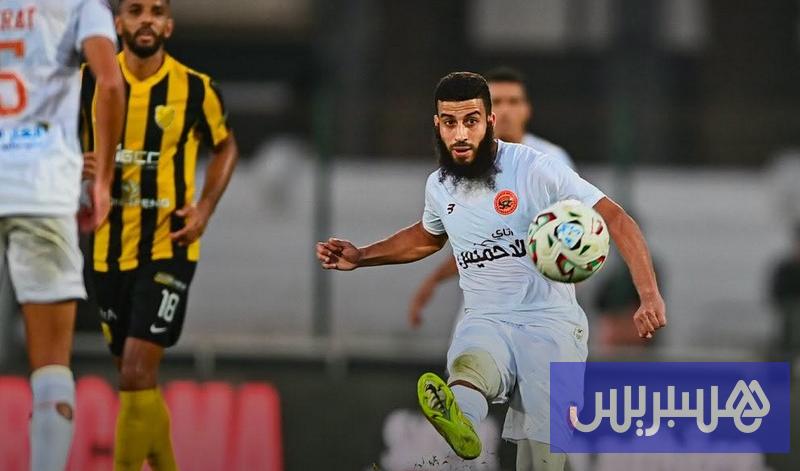
The draw ends the match between MAS and Berkane.
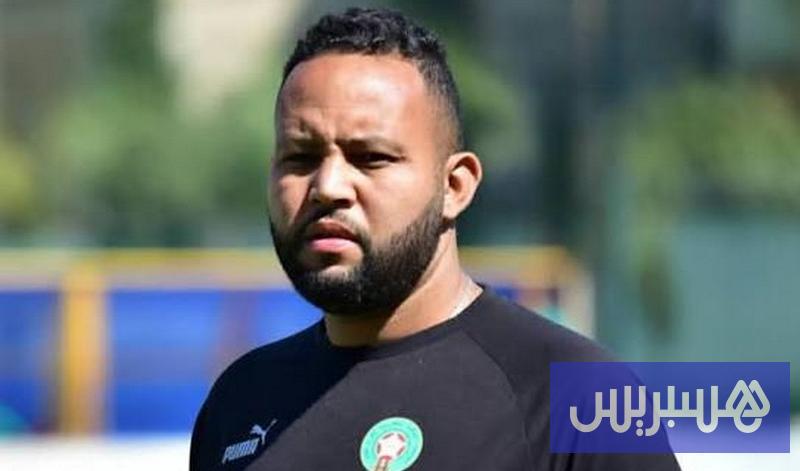
Anis takes over as head coach of Renaissance Zemamra, replacing Al-Aloui.
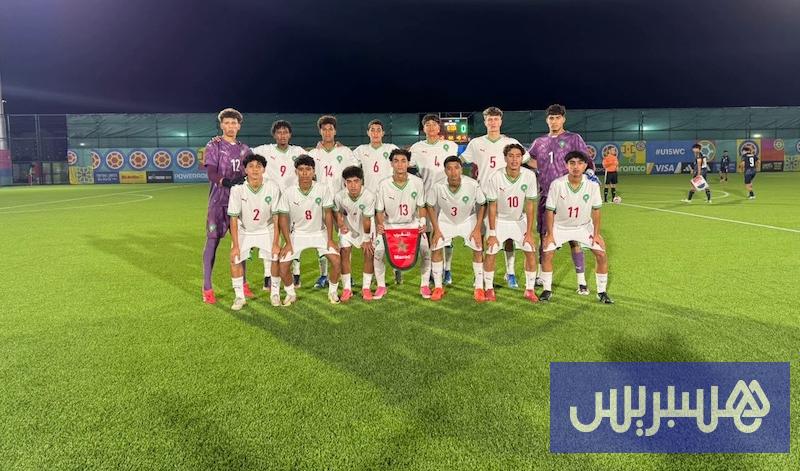
Morocco's U-17 team suffers defeat against Paraguay.