How Kimi Antonelli and Mercedes Created Their Own Fortune in Madrid
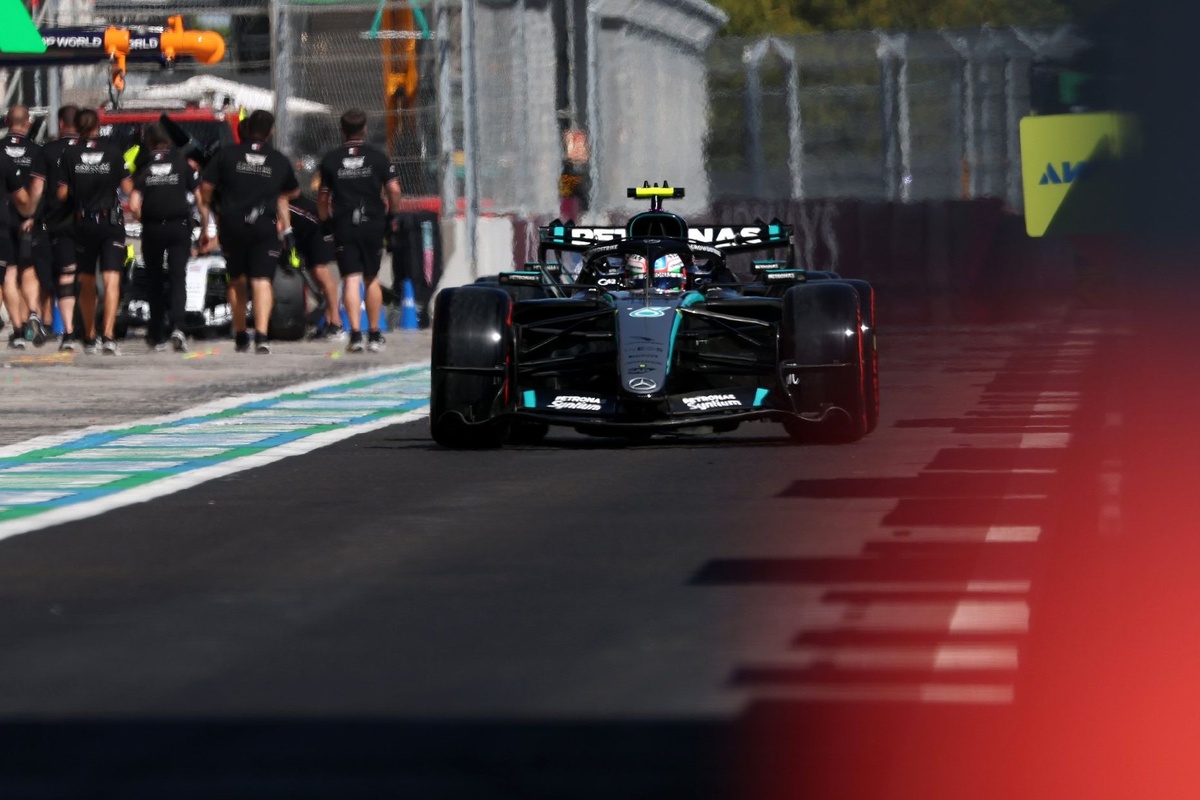
There’s no question that everything aligned perfectly for Kimi Antonelli to secure victory in Madrid. The deployment of the virtual safety car due to Lance Stroll’s retirement occurred at an opportune moment, altering the trajectory of a race that appeared to be heading toward a win for Lando Norris.
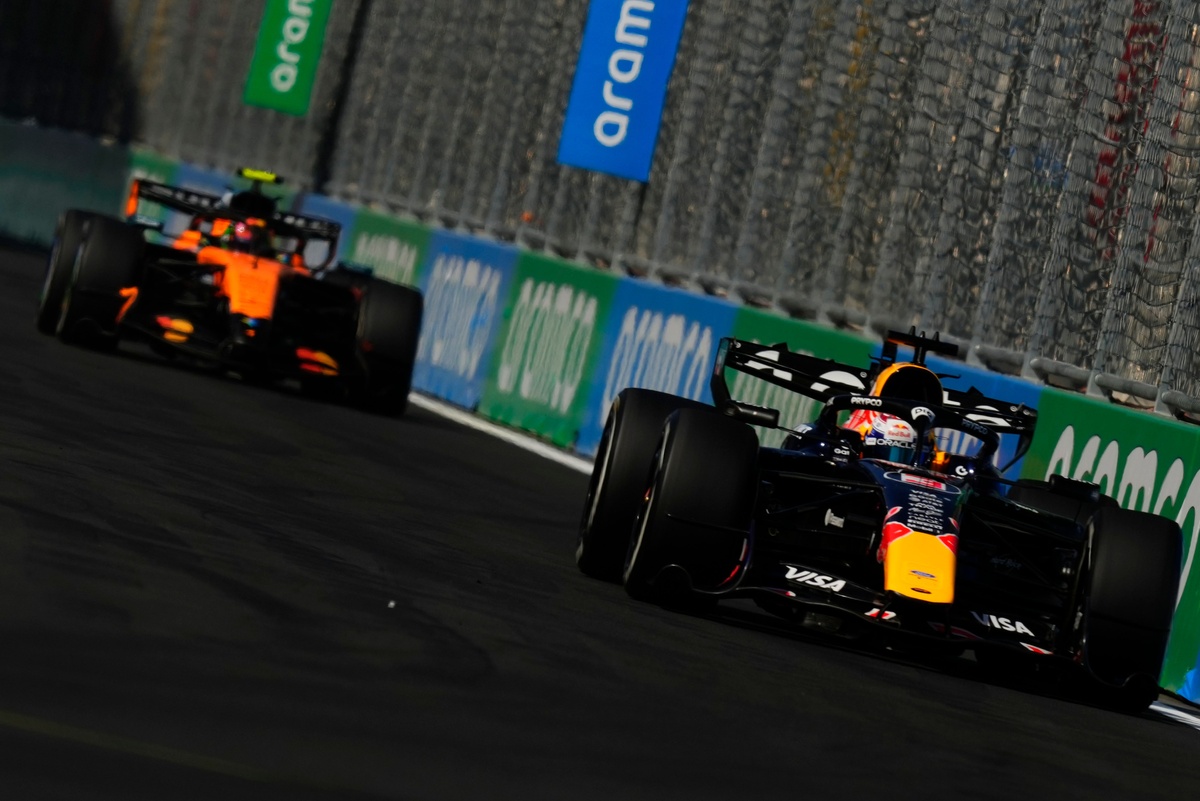
Having already passed the pit entry by the time the VSC was activated, Norris couldn’t make a pit stop. In contrast, Antonelli was able to enter the pitlane just in time, complete his stop, and take the 'virtual' lead of the grand prix, slotting in right behind Charles Leclerc, who had yet to make his pit stop.
While fortune played a role, there is a narrative that illustrates how Mercedes responded to the evolving scenario—and how Antonelli himself contributed to creating the necessary margin to wait for the VSC before pitting.
The moment the yellow flag was waved and Antonelli was informed over the radio by his race engineer Peter Bonnington, the Italian immediately eased off the throttle to gain time. This was crucial to ensure he didn’t miss the pit lane entry, as Norris had, so he chose to decelerate.
All competitors must reduce speed under yellow flags, but Antonelli significantly slowed down more than others while navigating past Turn 20, where Stroll had halted. He lost several tenths to both Norris and Verstappen in that section of the circuit—but in doing so, he allowed his team the opportunity to make an informed decision.
Comparison of Kimi Antonelli's telemetry data
This becomes even more apparent when contrasting the data from lap 14 with lap 13, prior to the VSC being deployed. Once the yellow flag was displayed, Antonelli navigated Turn 19 at a speed 29km/h slower than the previous lap. He then approached the braking zone for Turn 20, where Stroll’s vehicle had come to rest, 24km/h slower, having lifted off much earlier.
The aim was to maximize the chances of making a pit stop during the neutralization, rather than merely complying with the regulations that require drivers to reduce speed under yellow flags.
To grasp how much the Italian intentionally slowed down beyond what was mandated, it’s insightful to compare his telemetry with Max Verstappen’s from the same lap, with the Dutchman trailing six seconds behind.
Under the same yellow-flag conditions, before the VSC was activated, Verstappen was 15km/h faster than Antonelli through Turn 19 and reached the braking point for Turn 20 18km/h quicker, lifting off later than the Italian.
However, Antonelli's actions were just one aspect of the process. The Mercedes pit wall had already predicted that a VSC was likely, enabling the team and driver to respond promptly if race control decided to neutralize the race.
Kimi Antonelli's telemetry compared to Max Verstappen's
"For me, the timing was impeccable: Bono warned me in the final sector that a Virtual Safety Car might be deployed, so I eased off,” Antonelli remarked after the race. “I intentionally slowed down a bit to see if I could catch the VSC just before the pit entry, and it worked out really well."
As Antonelli elaborated, his race engineer informed him that a VSC could be deployed even before race control officially activated it, as the pit wall’s real-time analysis indicated a neutralization was very likely.
This led Antonelli to further reduce his speed, giving both himself and the pit wall additional time to react if the VSC was activated.
As soon as he spotted the VSC signal, Antonelli quickly entered the pitlane.
Mercedes team principal Toto Wolff emphasized how swiftly the information flowed from the strategy team to Antonelli, noting that the entire process took about three seconds.
"The chain of command and the process were exceptional," Wolff stated.
“The strategy group had it on their radar, obviously, and then someone mentioned that it wouldn’t clear quickly with the Aston Martin in the wall. Then it went from strategy to Bono, Bono double-checked, Bono to Kimi, and that was all. We’re talking about three seconds."
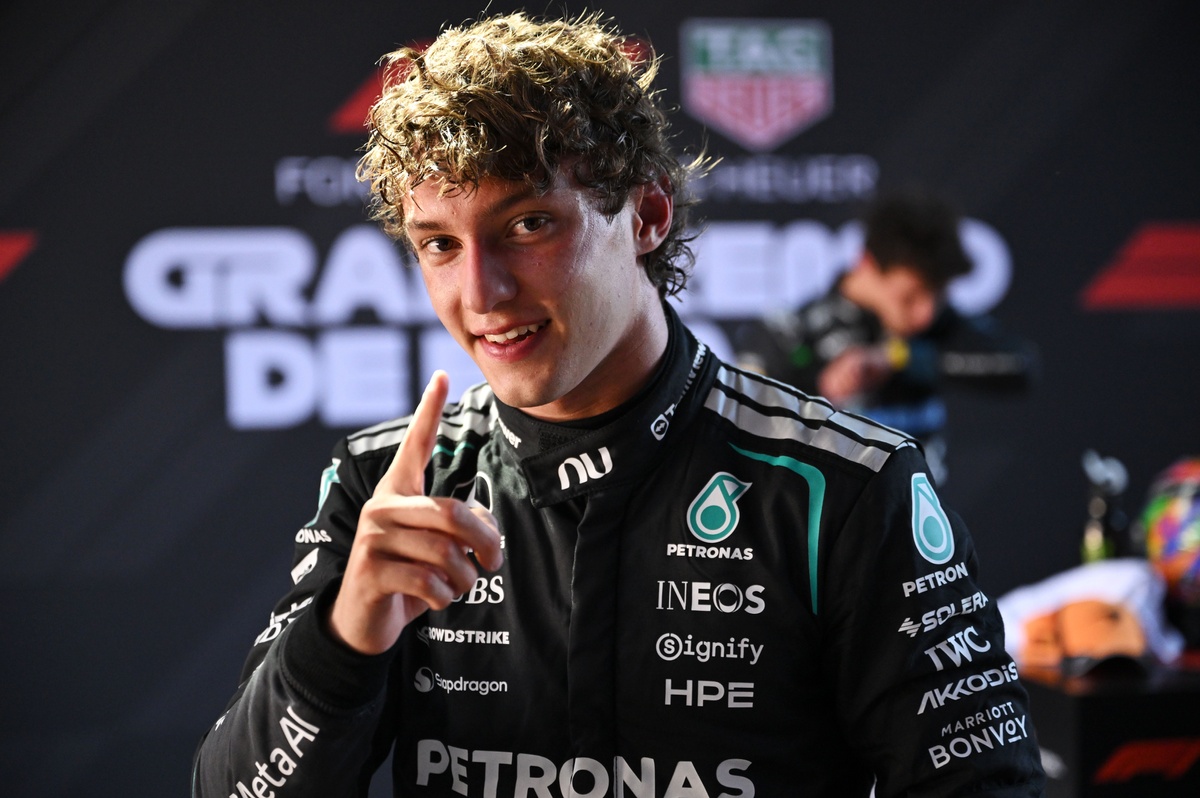
Andrea Kimi Antonelli, Mercedes
It's uncertain whether Antonelli's own maneuvers made the decisive difference in this situation, yet it could very well exemplify his knack for reading the race. The timing of the VSC certainly benefited him, but his choice to give himself and the team an extra fraction of a second by easing off in anticipation of the VSC may have ultimately secured him the race win.
More from this section
Did Cadillac have a “quicker” pace compared to Williams in the Madring F1 race?
Haas optimistic about approaching the 2027 F1 budget cap through discussions with new partners.
Sebastian Vettel: “I’d be quite pleased” for Kimi Antonelli to surpass me as the youngest champion in F1.
Andrea Stella: McLaren needs to assist Oscar Piastri in ceasing to "think" about how to operate the '26 F1 vehicle.
Reasons Ferrari is holding off on shifting focus to the 2027 F1 vehicle just yet