Six years later, a new hypothesis reassesses the case of Maradona's death
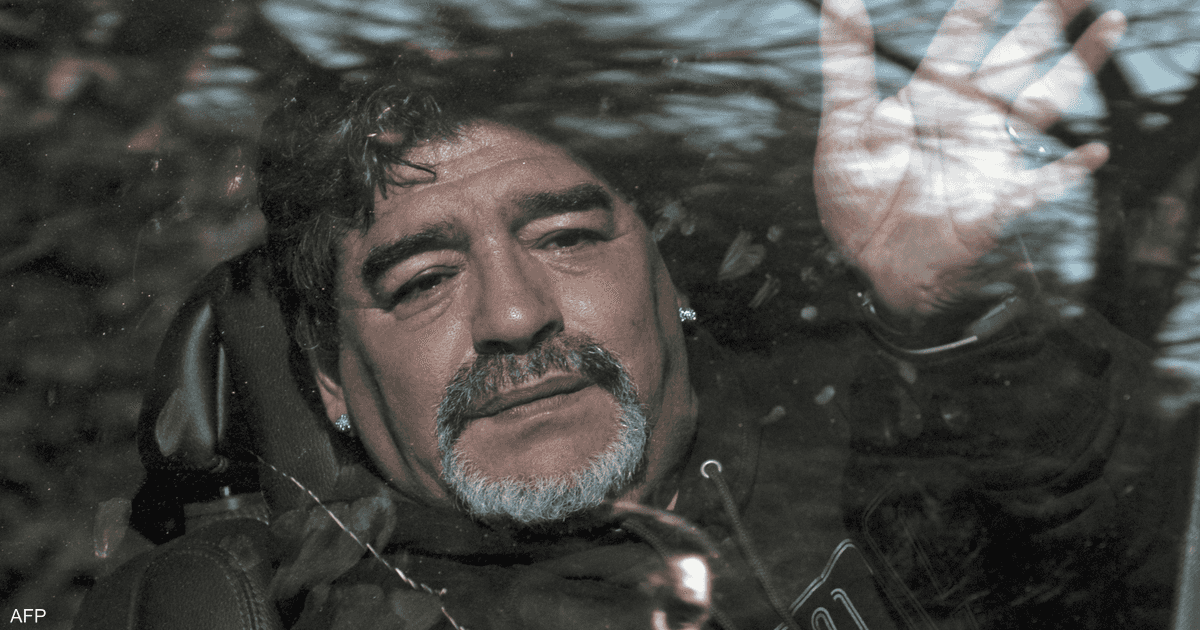
Nearly 6 years after the passing of Argentine football legend Diego Maradona, a new hypothesis has emerged in court: Did COVID-19 have an impact on his death?

However, the testimony does not prove that Maradona was infected with the virus; it raises a hypothesis that is difficult to confirm or deny due to the lack of testing at that time.
A Hypothesis Emerged at the Last Moment
Ferrari's statements came at the conclusion of the witness hearing phase in the ongoing trial at the criminal court in San Isidro, north of Buenos Aires.
According to the "EFE" agency, the expert indicated that COVID-19 can enter the body through the respiratory system, and can develop rapidly in some cases, leading to the patient's death within hours.
The COVID-19 hypothesis was not present in his medical report, but was raised during his responses to questions from the defense team, prompting the prosecution to object to expanding on a point not addressed in the original report.
Ferrari stated that the available evidence did not allow for determining the cause of the cardiac arrest that ended Maradona's life, leaving room for doubt from his perspective.
Minutes or 12 Hours?
The importance of the testimony extends beyond the COVID-19 hypothesis, as Ferrari provided a different explanation for the final hours of Maradona's life.
Other experts had indicated that a critical condition may have lasted about 12 hours, an estimate that the prosecution relies on to show that the medical team had enough time to monitor his deteriorating condition and intervene to save him.
However, Ferrari stated that Maradona suffered from a heart disorder and severe fluid accumulation in the lungs, leading to suffocation and then cardiac arrest. He estimated that the final phase lasted from a few minutes to a few hours, rejecting the claim that he suffered for a full 12 hours.
This interpretation supports the defense's view that Maradona's death was sudden and not the result of a long-term deterioration that the medical team could have detected.
Ferrari is considered the only official expert who supported the hypothesis of sudden death in court, although experts summoned by the defendants provided similar opinions in previous sessions.
Trial of 7 Medical Team Members
Maradona passed away on November 25, 2020, at the age of 60, while receiving care at his home in the suburbs of Buenos Aires, after undergoing surgery to remove a blood clot in his brain.
Seven members of his medical team are on trial, including neurosurgeon Leopoldo Luque, psychiatrist Agostina Kosachov, and other doctors and nurses, for the care provided to him during his final days. The defendants deny any wrongdoing.
The prosecution claims that the home care lacked the necessary equipment and follow-up, and that signs of Maradona's health deterioration were not addressed appropriately. On the other hand, the defense asserts that the death was sudden and related to his previous health issues.
The next session is scheduled for September 29, to give the defendants the opportunity to complete their testimonies before the final arguments begin on October 8.
Thus, Ferrari's testimony does not determine the cause of Maradona's death, but adds a new hypothesis to a case that has lasted for years revolving around one question: Was his death inevitable, or could he have been saved?
The shocking question was raised by official medical expert Pablo Ferrari, the last witness in the trial of 7 members of the medical team that cared for Maradona before his death, who confirmed that COVID-19 cannot be ruled out as a possible cause of death.
Ferrari stated in court that the failure to conduct a COVID-19 test during the autopsy of Maradona's body was a "systematic error," especially since his death occurred at the height of the pandemic.
However, the testimony does not prove that Maradona was infected with the virus; it raises a hypothesis that is difficult to confirm or deny due to the lack of testing at that time.
A Hypothesis Emerged at the Last Moment
Ferrari's statements came at the conclusion of the witness hearing phase in the ongoing trial at the criminal court in San Isidro, north of Buenos Aires.
According to the "EFE" agency, the expert indicated that COVID-19 can enter the body through the respiratory system, and can develop rapidly in some cases, leading to the patient's death within hours.
The COVID-19 hypothesis was not present in his medical report, but was raised during his responses to questions from the defense team, prompting the prosecution to object to expanding on a point not addressed in the original report.
Ferrari stated that the available evidence did not allow for determining the cause of the cardiac arrest that ended Maradona's life, leaving room for doubt from his perspective.
Minutes or 12 Hours?
The importance of the testimony extends beyond the COVID-19 hypothesis, as Ferrari provided a different explanation for the final hours of Maradona's life.
Other experts had indicated that a critical condition may have lasted about 12 hours, an estimate that the prosecution relies on to show that the medical team had enough time to monitor his deteriorating condition and intervene to save him.
However, Ferrari stated that Maradona suffered from a heart disorder and severe fluid accumulation in the lungs, leading to suffocation and then cardiac arrest. He estimated that the final phase lasted from a few minutes to a few hours, rejecting the claim that he suffered for a full 12 hours.
This interpretation supports the defense's view that Maradona's death was sudden and not the result of a long-term deterioration that the medical team could have detected.
Ferrari is considered the only official expert who supported the hypothesis of sudden death in court, although experts summoned by the defendants provided similar opinions in previous sessions.
Trial of 7 Medical Team Members
Maradona passed away on November 25, 2020, at the age of 60, while receiving care at his home in the suburbs of Buenos Aires, after undergoing surgery to remove a blood clot in his brain.
Seven members of his medical team are on trial, including neurosurgeon Leopoldo Luque, psychiatrist Agostina Kosachov, and other doctors and nurses, for the care provided to him during his final days. The defendants deny any wrongdoing.
The prosecution claims that the home care lacked the necessary equipment and follow-up, and that signs of Maradona's health deterioration were not addressed appropriately. On the other hand, the defense asserts that the death was sudden and related to his previous health issues.
The next session is scheduled for September 29, to give the defendants the opportunity to complete their testimonies before the final arguments begin on October 8.
Thus, Ferrari's testimony does not determine the cause of Maradona's death, but adds a new hypothesis to a case that has lasted for years revolving around one question: Was his death inevitable, or could he have been saved?
More from this section
In their first preparatory match during the international break, Al Masry achieved a crushing victory over Al Qabouty with a score of 9-0.