Toto Wolff candidly discusses the challenges of identifying Formula 1 talent and the reasons why young prodigies often fail to thrive.
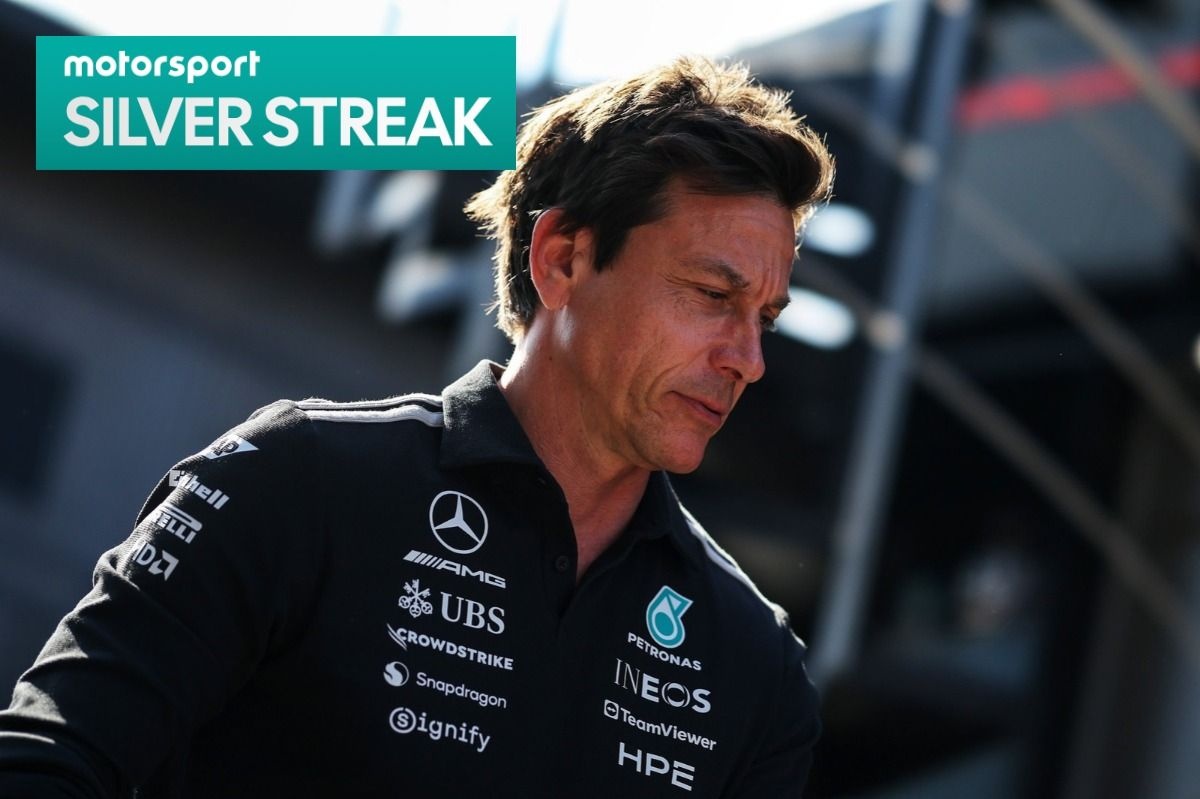
Managing a billion-dollar Formula 1 team means your inbox is likely inundated with messages from karting parents insisting their child is the next Ayrton Senna. Distinguishing true prodigies from well-funded aspirants is a brutal endeavor, and Mercedes team principal Toto Wolff's scouting techniques are currently being validated by his promising newcomer, Andrea Kimi Antonelli.
In just his second year in the top tier, Antonelli is on the brink of securing the 2026 World Championship at the United States Grand Prix.
So, what methods does a team principal use to identify potential World Champions? Wolff recently appeared on the Cheeky Pint podcast and provided an inside look at his scouting strategy, sharing some harsh realities along the way.
The initial lap assessment and the troublesome prodigy dilemma
When podcast host John Collison directly asked Wolff, "How do you actually identify a Kimi?" the Mercedes chief revealed that the first assessment is surprisingly simple. You don't require an extensive spreadsheet of telemetry data to recognize natural car control.
"You can tell when someone feels at ease in the kart, you know, going at 100 kilometers per hour in the rain, and that kid completes their first lap, coming around the corner sideways; you can see the potential for excellence," Wolff stated.
Andrea Kimi Antonelli, Mercedes, Toto Wolff, Mercedes
However, being incredibly fast on a wet track is only part of the equation. Formula 1 is a highly politicized, sponsor-oriented team sport. If a young driver mistreats their mechanics or struggles to communicate effectively with a major corporate sponsor, their career can be effectively over before it even begins.
Wolff was candid in explaining why many highly touted junior drivers fade from view before even getting a chance at a Formula 3 seat.
"Beyond the stopwatch, there must be the technical skill to set up your car correctly, engage with the engineers, and possess some level of social competence to ensure you maintain good relationships with sponsors," Wolff explained. "There have been extraordinarily talented youngsters who never progressed because they were simply difficult people or lacked the intelligence needed."
Challenging the engineers' perceptions
If a driver navigates the karting challenges, learns how to engage with sponsors, and isn't a poor individual, they still need an unteachable physical attribute to ascend to World Champion status. Wolff refers to this as a genetic affinity for the machinery, and he used his long-time driver Lewis Hamilton to demonstrate just how remarkable this innate ability can be.
"An example is my old friend and driver, Lewis Hamilton... Lewis once remarked about the car, 'The car understeers from the front axle to where I sit,'" Wolff recalled.
Lewis Hamilton, Ferrari, Toto Wolff, Mercedes
This feedback completely perplexed the Mercedes engineering team.
"Well, that's the center of the car; how could that understeer? The engineers struggled to comprehend what he meant, but that was what his body was conveying," Wolff chuckled. "If a driver can possess that fundamental level of ability, they become unbeatable, but that is down to genetics."
So, to reach F1, you simply need the genetic makeup of a superhuman, the social skills of a diplomat, and the audacity to throw a kart sideways in the rain. Sounds easy, right?
More from this section
Max Verstappen is baffled by the loss of grip during Q3, yet the performance in Austin highlights the significant advancements Red Bull has made.
Lando Norris expresses disappointment over his "very poor performance" during the qualifying session for the F1 United States GP.
Isack Hadjar laments a "catastrophic weekend" despite a turnaround in qualifying for the US Grand Prix.
Charles Leclerc establishes limits with Lewis Hamilton prior to their clash at Turn 1.
Why Ferrari fell short of expectations during F1's United States GP qualifying