Who had the most restless night last night: Lando Norris
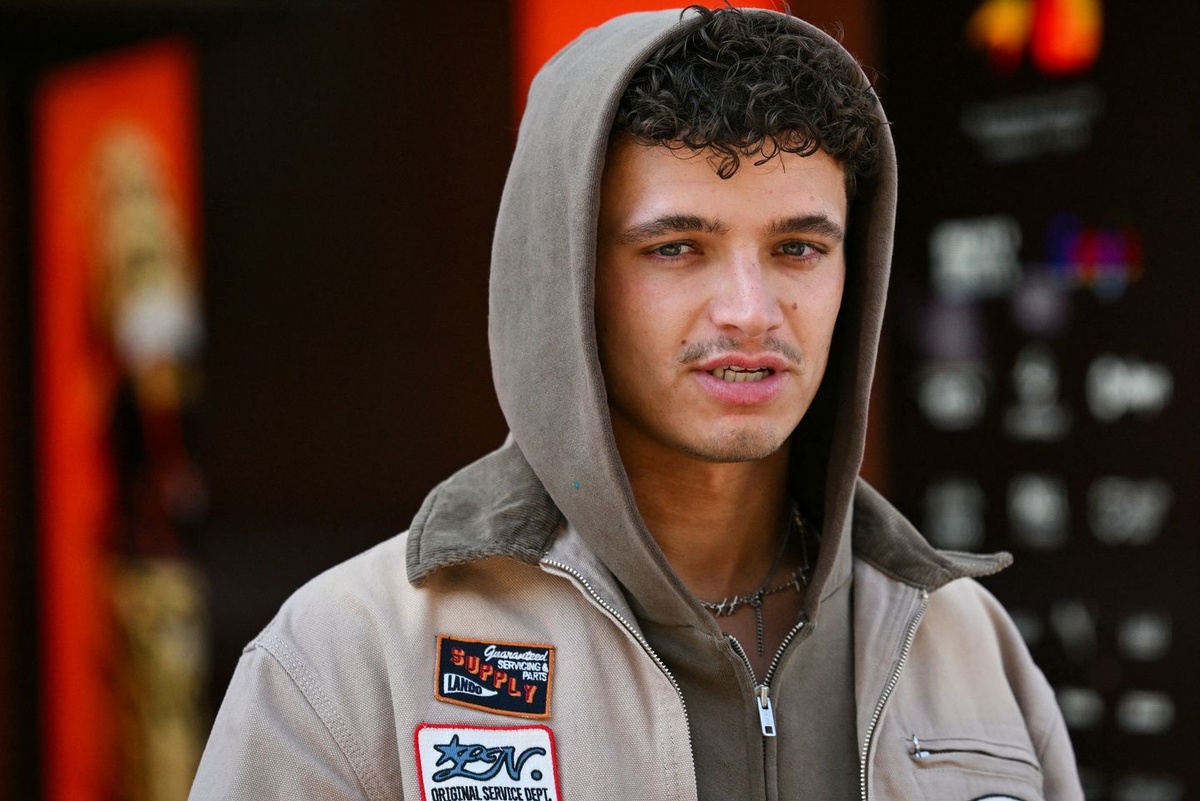
In the midst of the accolades for Kimi Antonelli, whose championship celebrations in Austin on Sunday night have been postponed until Mexico, a crucial update regarding the 2026 Formula 1 season nearly went unnoticed: the first significant ruling has been made.
George Russell and Lewis Hamilton may still mathematically be in contention for the title, but one driver has been definitively eliminated.
After 18 of the 23 planned Grands Prix, Lando Norris is trailing Antonelli, the undisputed champion-elect, by 154 points. However, with Mexico, Brazil, Las Vegas, Qatar, and Abu Dhabi still on the calendar, there are only 125 points remaining for any single driver to claim.
This indicates that his tenure as Formula 1 world champion has officially concluded. The highly sought-after number 1, which he had eagerly anticipated carrying on his vehicle, now has just a few weeks left before its farewell journey comes to a close.
In reality, it had been evident for a while that the 26-year-old was unlikely to defend his title. As early as the season opener in Melbourne, the signs were clear: Mercedes would be an exceptionally tough competitor in 2026. It wasn’t until the fourth race of the season, in Miami, that Norris managed to secure his first podium finish.
Then, in July, McLaren introduced an upgrade that came (perhaps too) late but nonetheless provided a tantalizing glimpse of a potential return to former success.
Norris clinched victory in Hungary, just before the summer break, and again in the Netherlands shortly thereafter. While it was becoming increasingly clear that retaining the title was likely out of reach, many observers still viewed him as a potential runner-up in the championship, myself included, I must confess.
Lando Norris, McLaren
We now recognize that Hungary and Zandvoort were merely brief highlights.
The McLaren-Mercedes MCL40 is not an inherently slow racing machine. However, unpredictability is ingrained in its very essence. Or, to echo Norris's own description: you successfully navigate three corners in a lap, then adjust the setup to enhance the next three. And of course, those subsequent three corners improve. The issue arises when the balance that made the initial three work so well suddenly disappears.
A classic example of resolving one issue only to create another.
Singapore then marked a new low on Norris's journey towards dethronement. In the F1 Sprint, of all places, he collided with his teammate Oscar Piastri, leading to several stern discussions behind closed doors.
One would hardly expect anything less from a team led by Andrea Stella. However, the message appears to have resonated.
This incident may have left an imprint on the relationship between Norris, long viewed as McLaren's undisputed golden boy by fans, and the team he has called home for so many years.
Lando Norris, McLaren, Oscar Piastri, McLaren
Norris has never been the type of driver who exudes unwavering self-assurance at all times. Not in the same way Max Verstappen does, for instance.
However, for much of the 2026 season, he appeared surprisingly content with himself. Comfortable in his own identity, secure in the knowledge that he had already achieved the one great ambition of his life.
Last weekend, though, something felt amiss.
Two weeks post-Singapore and the reprimands that reportedly ensued, Norris appeared transformed. Gone was the occasional ironic humor he typically brings to interviews. Over the team radio during the race, there were instances when he sounded almost timid. Uncertain of himself.
Like a young child who has just received a serious scolding from their parents and no longer dares to express their thoughts, even when they secretly believe they are right.
Consider the early moments of the race at the Circuit of the Americas.
Norris was trailing Piastri, clearly possessing more speed than his teammate, and was asked just how much faster he could actually go.
Oscar Piastri, McLaren, Lando Norris, McLaren
An invitation to facilitate a position change, if there ever was one.
The instinct of a natural racer would have been to respond with something like "at least four tenths." Instead, Norris almost apologetically murmured into his radio: "Yeah, I mean ... Yeah. I'm being held up now. I'm closer to him than he is apparently."
Later in the race, as Norris tried to manage his worn tyres to the finish without making another pit stop, his team suggested he come in after noticing a flat spot. His reply? "I don't have a flat spot. But you can do whatever you want."
And even later, he went as far as to say: "No more calls, please."
There was no aggression in his tone. No overt anger, either. But there was a sense of defiance. The kind of quiet, stubborn resistance that conveys so much simply because it is so restrained. Norris had retreated into terse communication, saying little more than the essentials.
We have all experienced that. When my partner is driving me utterly insane to the point where I’m simmering inside, but I know that voicing my thoughts could spark an argument that might lead me to completely lose my cool, I behave in precisely the same manner.
Short replies. Tight lips. No unnecessary chatter.
Lando Norris, McLaren
All the while knowing that the person on the other end is fully aware of what lies beneath the surface.
Perhaps, however, all of this is transpiring at just the right moment. A tempest that clears the atmosphere, at a time when both Norris and McLaren can afford to let the storm roll on.
Recall Nico Rosberg in 2015? Following a season that had gone horribly wrong, he began winning again in Mexico and went on to accumulate victory after victory. And we all know how that narrative concluded in 2016.
Some Formula 1 world champions possess an almost mythical aura of invincibility. Ayrton Senna was one such figure. When backmarkers spotted that iconic yellow helmet in their mirrors, they practically yielded in reverence as he approached to lap them. Because they understood just how relentless Senna could be.
Or consider Verstappen. Even Lewis Hamilton, of all people, often thinks twice before going wheel-to-wheel with him. Because everyone is aware that, when it comes down to it, Max is entirely willing to let things get contentious.
Norris does not embody that aura. He is not the kind of individual who takes his insecurities to bed, grapples with them behind closed doors, and ensures that the outside world never perceives a crack in his façade.
Quite the opposite.
His openness about his doubts and vulnerabilities is precisely what makes him so incredibly relatable as a person. But perhaps it also renders him a touch more exposed. A bit easier to rattle. A bit more susceptible to those who know where to push.
So what will his career ultimately look like? Will he join the ranks of Senna and Verstappen, drivers who transformed one world championship into multiple titles?
Or will his narrative resemble that of Jenson Button: one magnificent, unforgettable season at the pinnacle of Formula 1, followed by years where that ultimate triumph never quite came within reach again?
A significant part of that, of course, will hinge on the car beneath him. But perhaps a small portion of the answer also lies elsewhere.
In learning to develop a thicker skin. In becoming a bit more resilient, a bit harder to shake. And in realizing that, at times, when someone is upset with you, the best reaction is simply to shrug your shoulders and allow them to be angry.
More from this section
Juan Pablo Montoya raises doubts about George Russell's penalty at the F1 United States Grand Prix.
Max Verstappen identifies two persistent issues with Red Bull: "We might as well use sign language!"
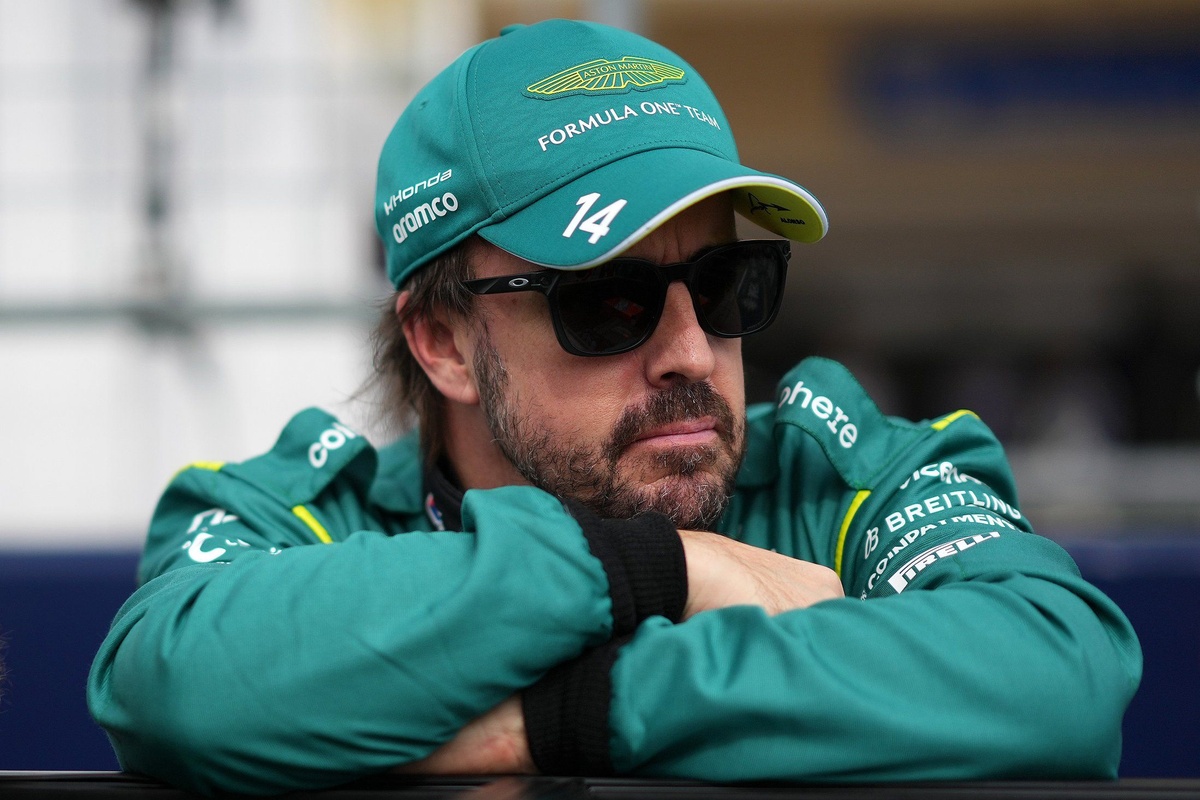
Fernando Alonso criticizes the driving standards observed among the lower half of the F1 grid.
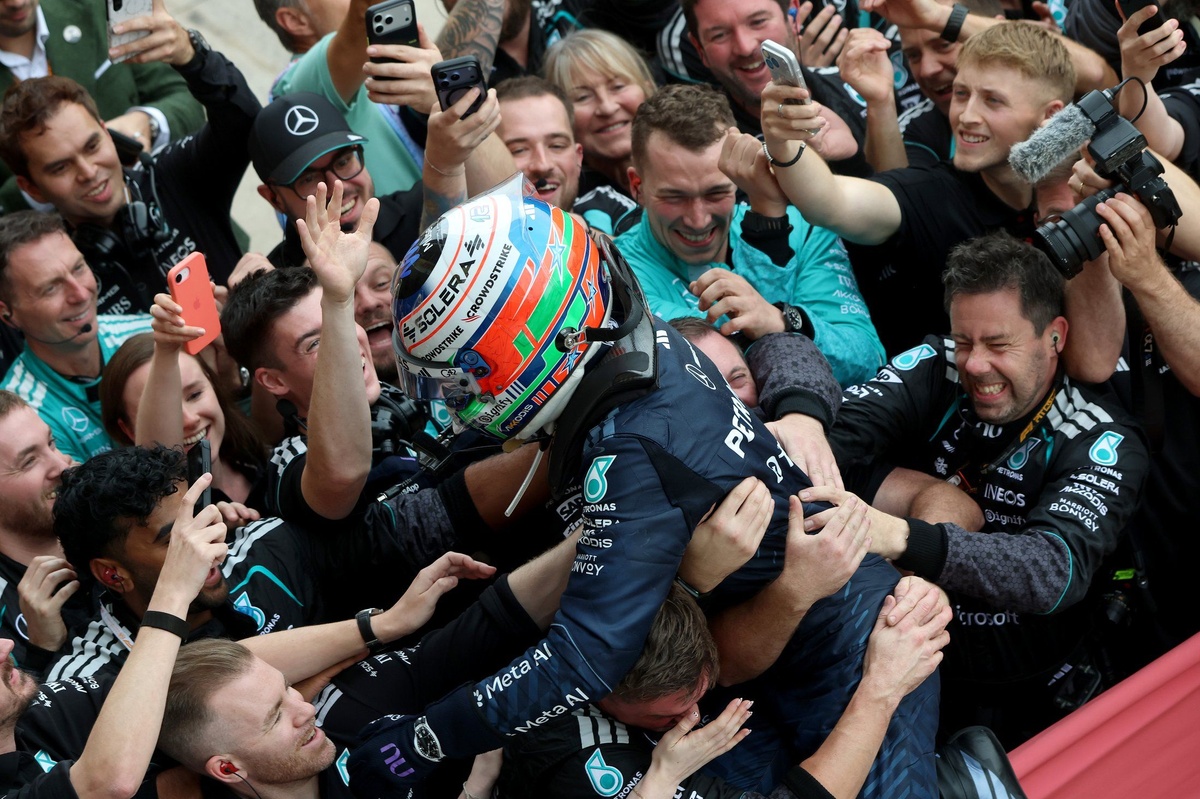
Victors and vanquished from the F1 United States Grand Prix
Isack Hadjar calls for a “rework” of the Red Bull clutch following a detrimental start at the US GP.