With votes and huge sums of money, how does FIFA ensure Infantino's continued position?
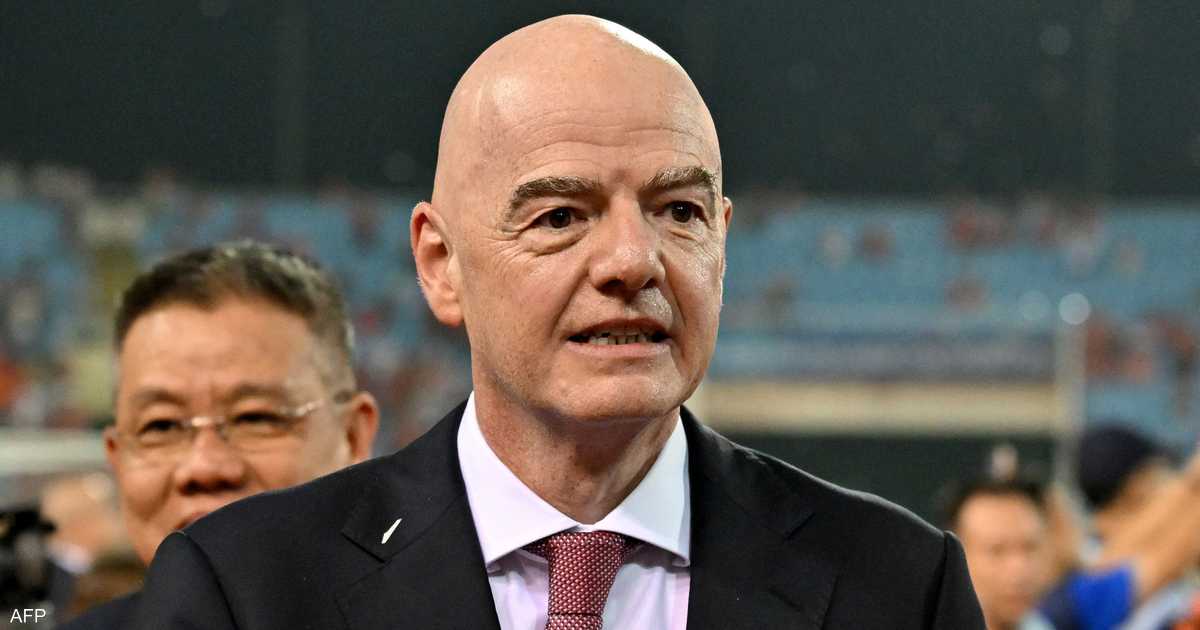
Although Europe dominates the wealthiest football tournaments and the largest clubs, its power is not necessarily enough to unseat the president of FIFA. In presidential elections, the vote of the German or Brazilian federation is equivalent to that of a federation from a small country with a population of only a few tens of thousands.
211 votes.. what is power?
FIFA consists of 211 national federations, each holding one vote in presidential elections, regardless of the size of the country or its strength in the football world or its contribution to the game's revenues.
Sports critic Mohsen Lamloom stated in remarks to Sky News Arabia that "Infantino enjoys strong support from the federations of Africa and Asia, which together hold 101 votes, while his support has significantly declined within Europe, which has 55 federations."
Lamloom points out that this equation "provides the FIFA president with a broad electoral base, making it more difficult for his opponents, despite the influence of European federations."
However, estimates of support do not guarantee that all African and Asian federations will vote for Infantino, especially since the Asian Football Confederation itself opposes some of his policies.
A crisis that began with billions
The dispute erupted after Infantino proposed a project allowing investors to enter the commercial activities associated with the World Cup, raising objections regarding transparency and the future of the tournament's revenues.
Despite retracting the project, opposition continued, particularly from UEFA, the North American, Central American and Caribbean Football Confederation (CONCACAF), and the Asian Football Confederation.
However, turning this opposition into actual change faces two obstacles: the first is the absence of a consensus candidate who can challenge Infantino, and the second is the difficulty of rallying a majority of national federations.
As the March 2027 elections approach, pressure on opponents is increasing, especially with November 18 set as the deadline for nominations.
Money.. a tool of influence
On September 18, UEFA president Aleksander Čeferin and his counterpart at CONCACAF, Victor Montagliani, called for at least $10 million to be allocated to each national federation from FIFA's financial reserves.
Implementing the proposal would mean distributing $2.11 billion among the 211 federations, reflecting the size of the resources held by the international federation.
However, this request carries a contradiction; while opponents seek to reconsider the management of funds, Infantino could adopt increased funding and present it as an extension of his policies to develop football.
Lamloom emphasizes that financial aid plays a significant role in enhancing the influence of the FIFA president, especially within African federations that receive millions of dollars to fund their football projects.
Why do smaller federations receive more money?
According to FIFA documents published by Agence France-Presse, the Turks and Caicos Islands Football Federation, with a population of fewer than 50,000, has received over $20 million since 2016, compared to $17.8 million for both the Chinese and Brazilian federations.
This comparison does not prove bias, as development programs are subject to different funding criteria, but it reveals the importance of aid for federations with limited resources.
For these federations, FIFA assistance may represent a primary source for building stadiums, training centers, and organizing local competitions.
Thus, the importance of funding intertwines with the electoral equation, without necessarily meaning that receiving aid determines the direction of voting.
Can Infantino be ousted?
Lamloom believes that Infantino's opponents have a chance to change him if they can prove allegations of financial corruption related to his administration.
However, proving misconduct, if it occurs, does not necessarily mean the president will be ousted, as it depends on the nature of the misconduct and the procedures outlined in FIFA's regulations.
At the same time, his opponents are seeking to enhance the powers of the FIFA Council and involve other parties, including club representatives, in decision-making.
The FIFA Council consists of 36 members, but it does not elect the president; this task belongs to the FIFA Congress, which involves national federations.
Thus, Infantino's opponents face two paths: the first is to prove misconduct that warrants accountability under the regulations, or to engage in an electoral competition that requires a candidate and a broad coalition.
In an organization where 211 electoral votes meet billions of dollars in revenues and aid, the battle to change the FIFA president seems more complex than merely uniting the federations opposing him.
This equation resurfaces as Gianni Infantino prepares to face his opponents on Thursday at a FIFA Council meeting, following a crisis sparked by a proposal to open the doors to private investors in activities related to the World Cup.
Despite growing opposition from strong continental federations, Infantino still enjoys significant electoral support, as the crisis has turned into a battle over the billions of dollars that FIFA distributes to its members.
211 votes.. what is power?
FIFA consists of 211 national federations, each holding one vote in presidential elections, regardless of the size of the country or its strength in the football world or its contribution to the game's revenues.
Sports critic Mohsen Lamloom stated in remarks to Sky News Arabia that "Infantino enjoys strong support from the federations of Africa and Asia, which together hold 101 votes, while his support has significantly declined within Europe, which has 55 federations."
Lamloom points out that this equation "provides the FIFA president with a broad electoral base, making it more difficult for his opponents, despite the influence of European federations."
However, estimates of support do not guarantee that all African and Asian federations will vote for Infantino, especially since the Asian Football Confederation itself opposes some of his policies.
A crisis that began with billions
The dispute erupted after Infantino proposed a project allowing investors to enter the commercial activities associated with the World Cup, raising objections regarding transparency and the future of the tournament's revenues.
Despite retracting the project, opposition continued, particularly from UEFA, the North American, Central American and Caribbean Football Confederation (CONCACAF), and the Asian Football Confederation.
However, turning this opposition into actual change faces two obstacles: the first is the absence of a consensus candidate who can challenge Infantino, and the second is the difficulty of rallying a majority of national federations.
As the March 2027 elections approach, pressure on opponents is increasing, especially with November 18 set as the deadline for nominations.
Money.. a tool of influence
On September 18, UEFA president Aleksander Čeferin and his counterpart at CONCACAF, Victor Montagliani, called for at least $10 million to be allocated to each national federation from FIFA's financial reserves.
Implementing the proposal would mean distributing $2.11 billion among the 211 federations, reflecting the size of the resources held by the international federation.
However, this request carries a contradiction; while opponents seek to reconsider the management of funds, Infantino could adopt increased funding and present it as an extension of his policies to develop football.
Lamloom emphasizes that financial aid plays a significant role in enhancing the influence of the FIFA president, especially within African federations that receive millions of dollars to fund their football projects.
Why do smaller federations receive more money?
According to FIFA documents published by Agence France-Presse, the Turks and Caicos Islands Football Federation, with a population of fewer than 50,000, has received over $20 million since 2016, compared to $17.8 million for both the Chinese and Brazilian federations.
This comparison does not prove bias, as development programs are subject to different funding criteria, but it reveals the importance of aid for federations with limited resources.
For these federations, FIFA assistance may represent a primary source for building stadiums, training centers, and organizing local competitions.
Thus, the importance of funding intertwines with the electoral equation, without necessarily meaning that receiving aid determines the direction of voting.
Can Infantino be ousted?
Lamloom believes that Infantino's opponents have a chance to change him if they can prove allegations of financial corruption related to his administration.
However, proving misconduct, if it occurs, does not necessarily mean the president will be ousted, as it depends on the nature of the misconduct and the procedures outlined in FIFA's regulations.
At the same time, his opponents are seeking to enhance the powers of the FIFA Council and involve other parties, including club representatives, in decision-making.
The FIFA Council consists of 36 members, but it does not elect the president; this task belongs to the FIFA Congress, which involves national federations.
Thus, Infantino's opponents face two paths: the first is to prove misconduct that warrants accountability under the regulations, or to engage in an electoral competition that requires a candidate and a broad coalition.
In an organization where 211 electoral votes meet billions of dollars in revenues and aid, the battle to change the FIFA president seems more complex than merely uniting the federations opposing him.
More from this section

Zrrouki leads Twente to a crucial victory with an important goal in the UEFA Europa Conference League.
Sudanese club Al-Merrikh denies its presence in Rwanda and emphasizes the strength of its relationship with Zamalek.
Valtteri Bottas draws an unexpected parallel with Mercedes as Cadillac forges its path in Formula 1's future.

The Algerian ambassador in Mauritania meets with the CR Belouizdad delegation in Nouakchott.
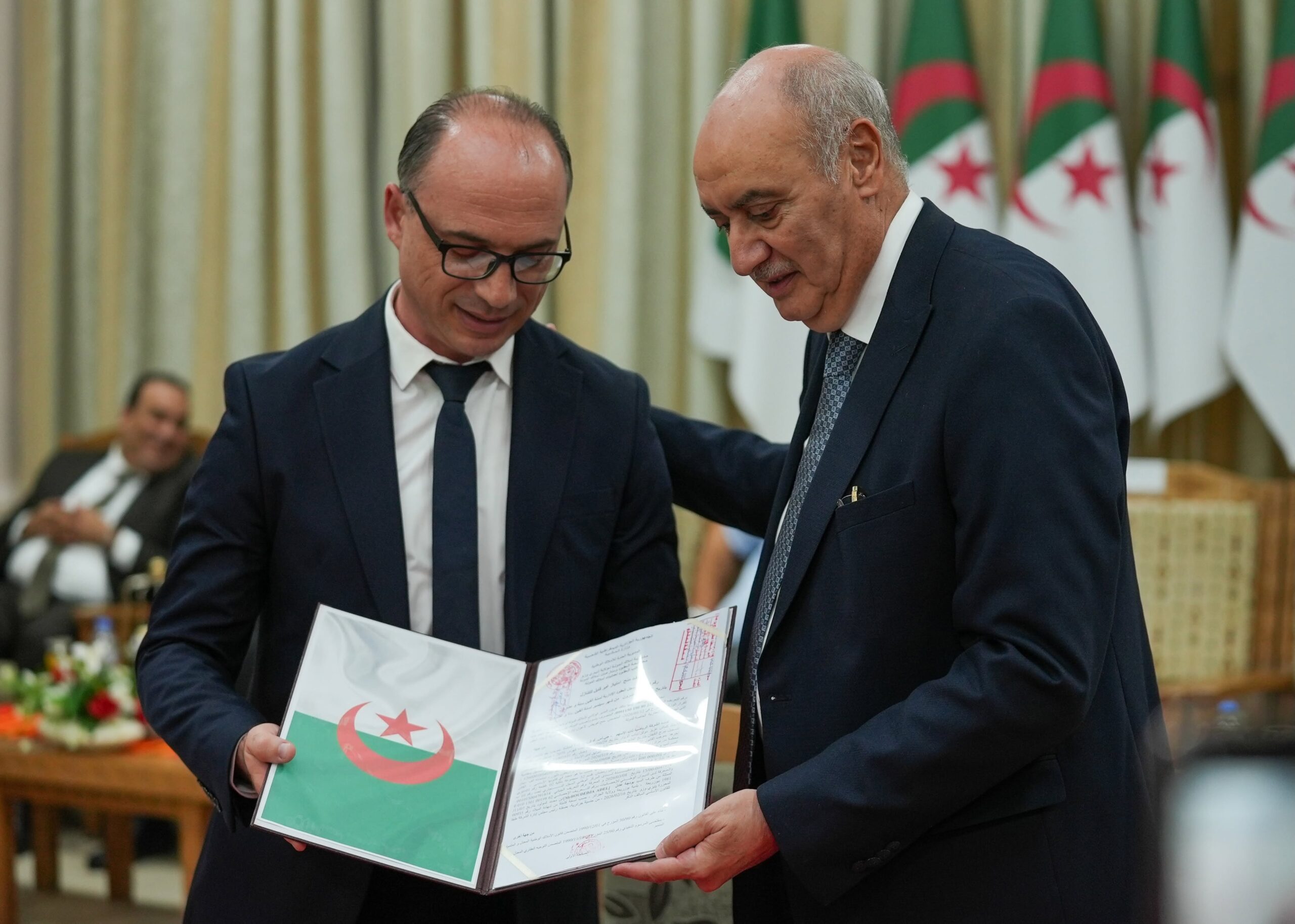
Photos: Events of the land contract delivery for the establishment of a training center for JS Kabylie