The Organizational Development of Professional Sports in Africa
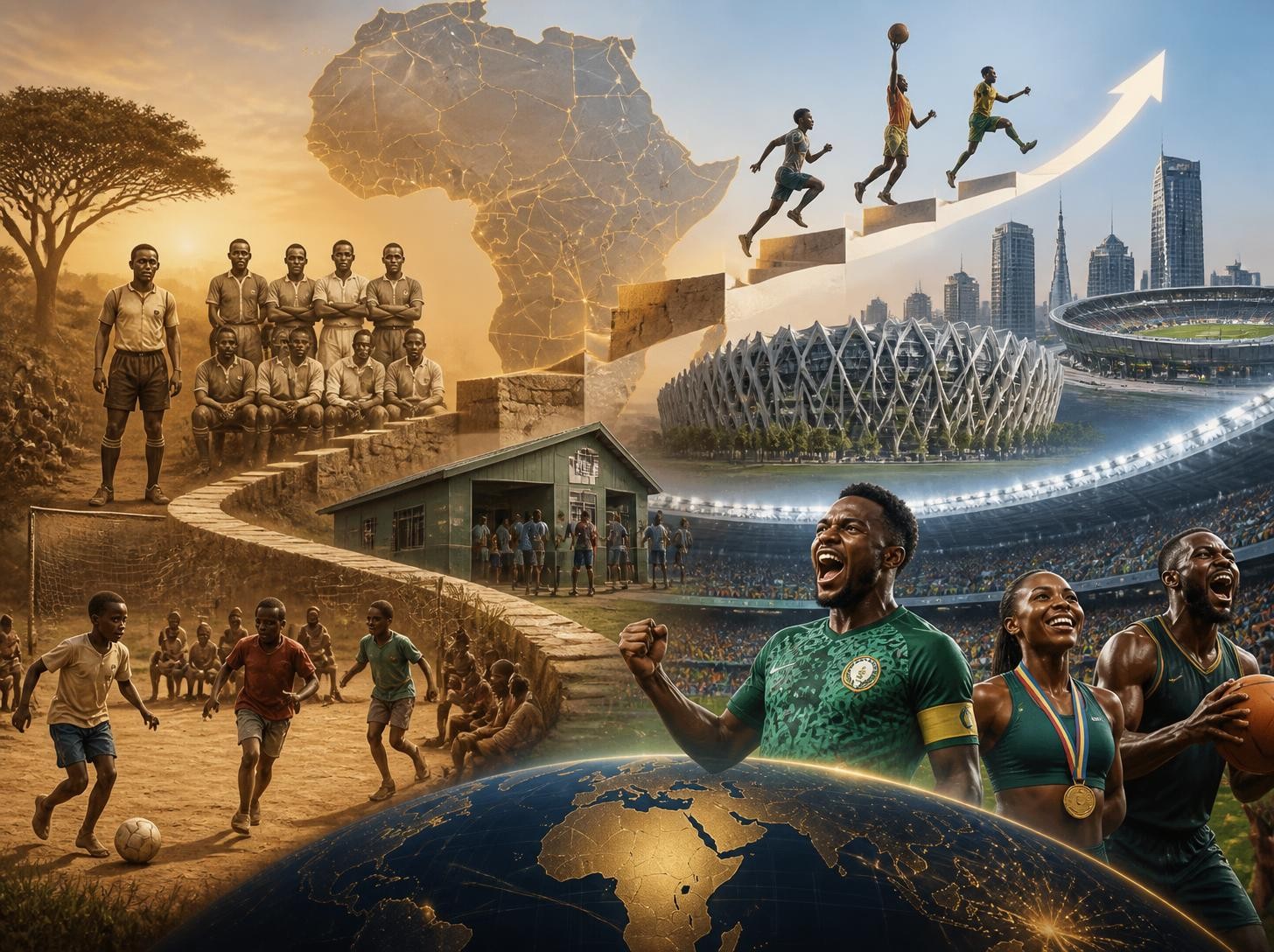
Africa is undergoing a remarkable evolution in its sports landscape, transitioning from mainly exporting athletic talent to creating a robust, self-reliant center of professional sports leagues. This swift commercialization is fueled by strategic domestic investments, the growth of digital broadcasting rights, and a rapidly expanding, sports-enthusiastic population. As both international and local entities recognize the multibillion-dollar potential on the continent, the sports market is diversifying far beyond traditional football. Fans, analysts, and investors observing these competitive shifts often analyze market trends through platforms like the sports betting brand Latribet, which offers extensive data on team performance, odds, and international athletic events.
In the past, structural deficiencies compelled the continent's top talent to migrate early in their careers to leagues in Europe or North America. Presently, newly established systems are keeping athletes in their home countries longer, enhancing local league competitiveness, and generating significant domestic revenue. This retention is fundamentally transforming the global sports economy, ensuring that African nations reap direct benefits from the commercial worth of their locally developed athletic talents.
Primary Growth Catalysts in African Sports
The rapid development of professional sports infrastructure across the continent can be attributed to several key institutional and economic drivers:
- Strategic Intercontinental Collaborations: Initiatives such as the Basketball Africa League (BAL), a collaboration between the NBA and FIBA, have introduced elite tournament frameworks, corporate compliance, and international broadcasting standards to the continent.
- Broadband and Mobile Accessibility: With smartphone usage rising sharply across Sub-Saharan Africa, sports organizations can now deliver content and merchandise directly to consumers, sidestepping traditional terrestrial television limitations.
- Corporate Sponsorships and Private Investment: A significant influx of private funding is being directed toward modern stadium developments, advanced training facilities, and club acquisitions.
- Professionalization of Grassroots Academies: Independent and club-affiliated academies are standardizing sports science, biomechanics, and tactical training, producing athletes who are both physically and mentally prepared for competition.
Data-Driven Insights: The Economic Influence of Sports Expansion
The statistical trajectory of African sports leagues underscores a highly lucrative emerging market. The Confederation of African Football (CAF) has recently launched the African Football League (AFL) with an initial prize pool of $14 million, aiming for future payouts designed to make local clubs financially competitive with mid-tier European leagues. Additionally, the sports apparel and merchandising sector in Africa is anticipated to experience double-digit compound annual growth over the next decade.
Current market assessments suggest that the professionalization of local leagues is directly linked to increased transfer fees for African athletes. Rather than leaving at age 16 for minimal developmental compensation, athletes are now competing professionally within domestic leagues until their early twenties. This enables African clubs to demand higher transfer fees in the global market, thereby reinvesting those millions back into local infrastructure and youth development.
FAQ: Frequently Asked Questions
What are the fastest-growing professional sports in Africa beyond football?
Although football remains the dominant and highest-earning sport on the continent, basketball and mixed martial arts (MMA) are witnessing the most rapid structural and commercial growth. The establishment of the Basketball Africa League (BAL) has centralized and professionalized basketball infrastructure across countries like Senegal, Rwanda, and Egypt. At the same time, MMA has experienced significant regional expansion, fueled by the global championship achievements of African fighters and the creation of local promotions (such as the EFC in South Africa) that act as well-scouted, direct pathways to major international organizations.
À lire aussi

Diaspora africaine en France : comment l’IPTV a transformé la manière de suivre les rencontres des équipes nationales

What Type of Player Do You Identify As: Tactical or Intuitive?
How Digital Platforms Are Transforming African Football Fan Engagement
La Croatie contre les sélections africaines en Coupe du Monde

Les principaux événements sportifs à venir au Maroc et les attentes des fans