Algeria: expanding its horizons beyond petroleum and natural gas [Business Africa]
After years of significant dependence on oil and gas, Algeria is striving to broaden its economic base by enhancing sectors such as industry, agriculture, services, and mining.
Initial indications of advancement are surfacing. In 2024, non-hydrocarbon sectors experienced a growth of 4.8%, with the rate reaching 5.4% in the first half of 2025. The government is concentrating on areas like agri-food, manufacturing, infrastructure, and mining, while aiming to draw in more private investment.
A further major aim is to increase non-hydrocarbon exports and gradually lessen the economy’s reliance on energy income.
Nonetheless, despite these improvements, oil and gas remain vital to Algeria’s exports and public finances. Any drop in energy income still places strain on the country's fiscal health.
As per the IMF, the budget deficit surpassed 10% of GDP in 2025, while public debt exceeded 50% of GDP.
Consequently, Algeria is confronted with a dual challenge: accelerating economic diversification while diminishing its reliance on hydrocarbons, as the global energy transition accelerates.
Sudan: solar energy as an economic essential
In Khartoum and Omdurman, solar energy is emerging as a crucial alternative as Sudan’s electricity grid, severely damaged by the conflict, struggles to operate. The market is thriving, but solar power remains inaccessible to a large portion of the population.
A household solar setup can cost almost $5,000, with equipment primarily imported as the Sudanese currency continues to fall. For families able to afford it, solar panels offer a semblance of stability during power outages that can extend for up to 16 hours.
For those lacking access to solar energy, electricity shortages are heavily impacting daily life. Businesses, schools, hospitals, and pharmacies are all experiencing disruptions. Extended outages also complicate the storage of temperature-sensitive medications such as insulin.
The damage to Sudan’s electricity infrastructure is estimated at $3 billion. Despite the country's immense solar potential, a significant hurdle remains: the high cost of an energy source that has become vital for daily living.
DR Congo: festivals provide a boost to emerging food entrepreneurs
In Kinshasa, food festivals are turning into a valuable platform for young entrepreneurs aiming to attract customers and promote their ventures.
In Ngaliema, Rashidi Kandolo, the founder of the Wokin Good mobile eatery, is still in the process of establishing his business 11 months post-launch. Managing stock, supplies, and customer loyalty continue to pose significant challenges. To enhance visibility, he frequently participates in cultural and food events.
Congo Food Week offers just such an opportunity. Over two weekends, young food entrepreneurs can present their offerings to thousands of potential customers and forge new business connections.
Merveille Mayembe, founder of Nganda Ya Pasta, which opened six months ago in Matonge, states that the festival has enabled her to reach new customers and generate delivery requests.
Apart from aiding young businesses, the sixth edition also encompasses a humanitarian aspect. Proceeds are anticipated to assist individuals displaced from South Kivu who have found refuge in Tanganyika.
In Kinshasa, these festivals are evolving into venues for business growth, networking, and solidarity among a new generation of food entrepreneurs.
More from this section
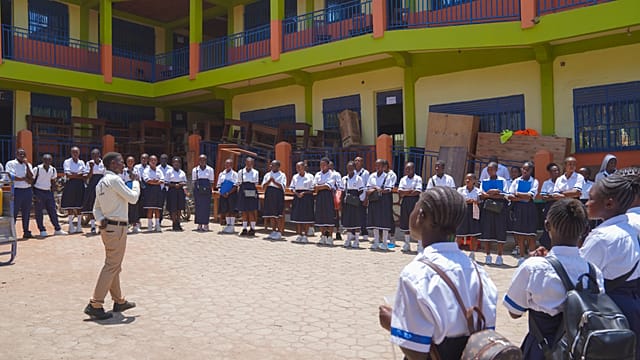
Ebola survivors in Beni share their experiences with students as the school year begins again.
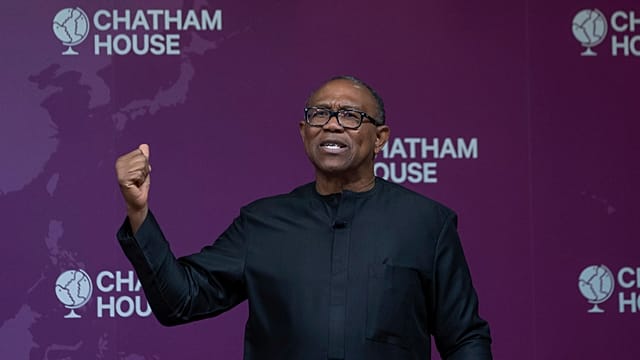
Nigerian presidential contender Obi pledges to initiate an anti-corruption campaign.
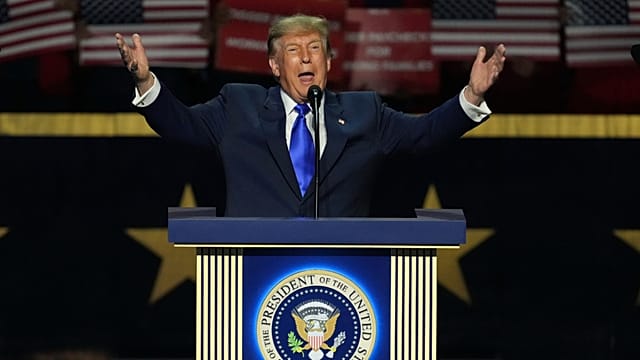
Trump promises a $5,000 reward if the Republicans secure victory in the US midterm elections.
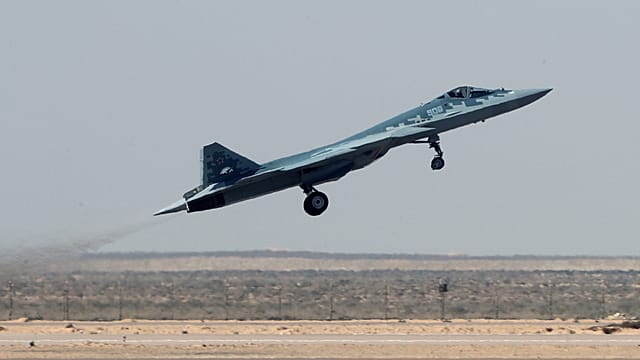
Combat aircraft glide through the air at Egypt's El Alamein aerial display.
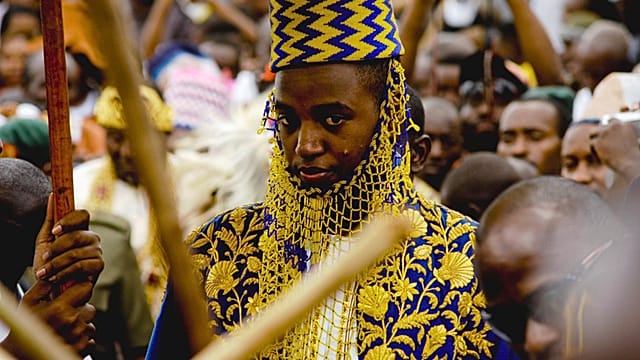
Succession within Uganda's Tooro kingdom is contested following the passing of King Oyo.