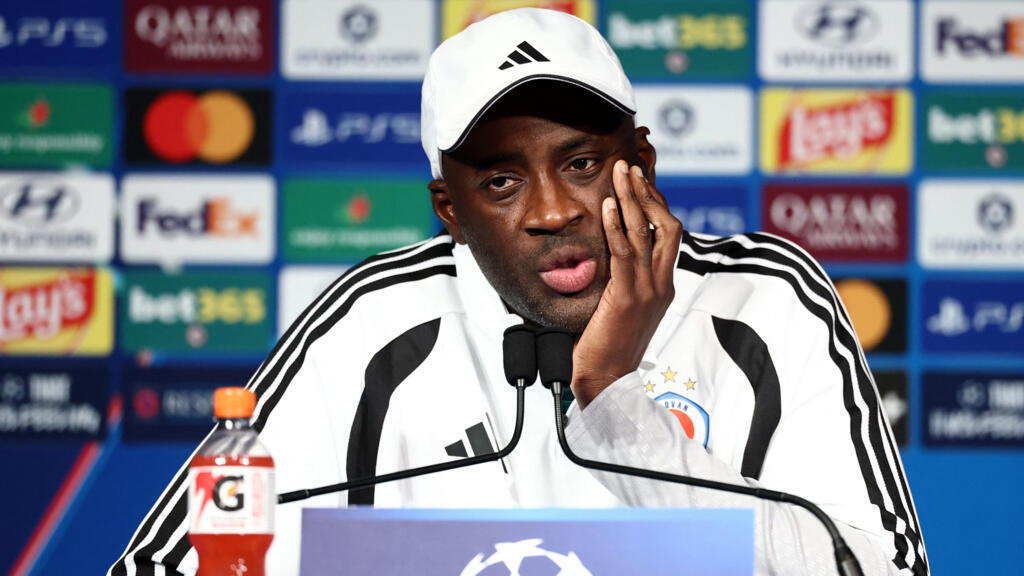
Nigerian presidential contender Obi pledges to initiate an anti-corruption campaign.
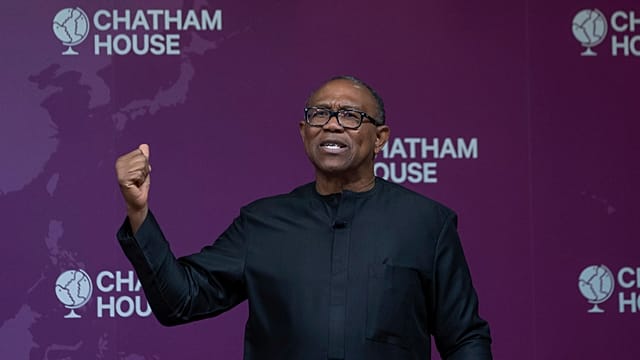
Nigeria, a nation abundant in oil, can alleviate its cost-of-living challenges partially by addressing governmental inefficiencies, presidential hopeful Peter Obi conveyed to AFP, as contenders vie for leadership in Africa's most populous nation.
Obi, a former governor hailing from southeastern Nigeria, spoke with AFP on Tuesday evening in Abuja, as election campaigns commence for the January polls, which are expected to revolve around the economy and security issues.
"We must reduce the cost of governance," Obi emphasized. "And combat corruption."
This approach would also create opportunities -- both financial and otherwise -- for the government to concentrate on "health, education, and elevating individuals out of poverty," he stated.
"You unite the nation, ensure its safety, and allocate your resources to these vital sectors. The results will be evident."
However, achieving this may prove more challenging than it sounds, given that decades of corruption have infiltrated Nigeria's institutions, from the military to everyday government functions, researchers indicate.
At 65, Obi remains popular among younger voters but enters as an outsider; President Bola Tinubu's All Progressive Congress dominates 31 of Nigeria's 36 influential governorships and possesses a considerably more robust party infrastructure than Obi's Nigeria Democratic Congress.
- Links between violence and poverty -
While the security measures at the hotel where his team assembled were standard for the Nigerian capital, they served as a stark reminder of the country's numerous conflicts -- guards inspecting vehicles prior to granting access, courtyard walls topped with electric fencing, and metal detectors positioned in the lobby.
Obi has placed significant emphasis on security in his campaign, asserting its correlation with poverty.
"The more you elevate people from poverty, the more you diminish criminal behavior," he told AFP, advocating for an uptick in manufacturing jobs that have largely escaped both Nigeria and other impoverished African nations in recent years.
After reaching a peak of 21 percent in 1994, manufacturing's contribution to Nigeria's GDP plummeted to eight percent by 2025, according to the World Bank.
The nation is grappling with a prolonged economic downturn -- 63 percent of Nigerians live beneath the poverty threshold, as reported by the IMF -- alongside a multitude of security threats, including jihadists, gangs, separatists, and conflicts between farmers and herders over land.
Both challenges predate Tinubu, 74, who is campaigning for re-election, yet have worsened during his administration.
While experts have lauded his economic reforms, the average Nigerian has experienced a significant surge in prices since the government eliminated a costly petrol subsidy that had previously kept prices for goods across the economy lower.
Tinubu has argued that these reforms prevented an even more severe crisis as the subsidy became untenable.
Atiku Abubakar, 79, the other primary opposition contender, recently advocated for the reinstatement of the subsidy, although he indicated that his approach would focus on domestic refineries rather than directly lowering pump prices.
Obi asserted that tackling corruption within the oil sector could lower prices without needing to reinstate the subsidy.
One area of agreement with Tinubu was the establishment of state police -- a significant decentralization reform in a nation where federal police struggle to manage violence and other criminal activities.
- Potential spoiler? -
The 2023 election featured a crowded landscape, with Obi, Abubakar, and former Kano state governor Rabiu Kwankwaso dividing the opposition vote. Tinubu emerged victorious with only 36.6 percent of the votes.
This time, there is a possibility that Obi and Abubakar will once again split the anti-Tinubu vote.
Obi emphasized that the electorate should be allowed to "determine which of us (the three candidates) is most qualified to serve the nation."
With voter turnout reaching just 27 percent previously, there are millions of potential voters to engage, making the notion of being a spoiler irrelevant, he suggested.
However, an incident earlier that day, where his convoy was obstructed on a road in a precarious area of Benue state, did not bode well for ensuring "free, fair, and credible" elections, he remarked.
Nigerian elections frequently suffer from violence, with politicians enlisting thugs to intimidate rivals and voters.
"People are reluctant to participate when there is chaos and misbehavior," he stated.
Additional sources • AFP
More from this section
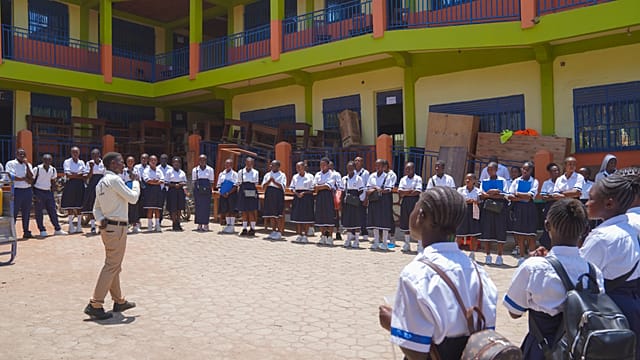
Ebola survivors in Beni share their experiences with students as the school year begins again.
![Algeria: expanding its horizons beyond petroleum and natural gas [Business Africa]](/img/3-afb6872f5c41e29a.jpg)
Algeria: expanding its horizons beyond petroleum and natural gas [Business Africa]
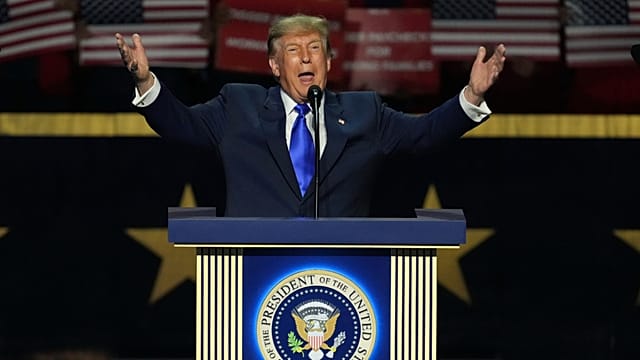
Trump promises a $5,000 reward if the Republicans secure victory in the US midterm elections.
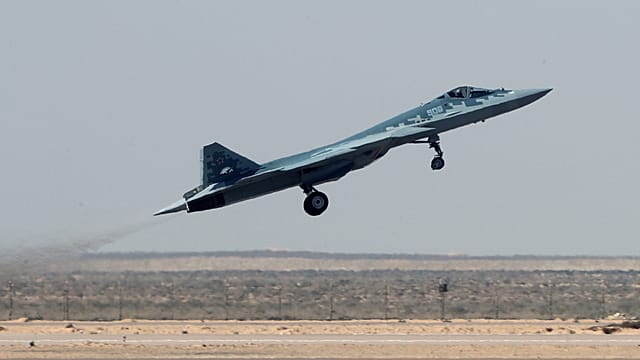
Combat aircraft glide through the air at Egypt's El Alamein aerial display.
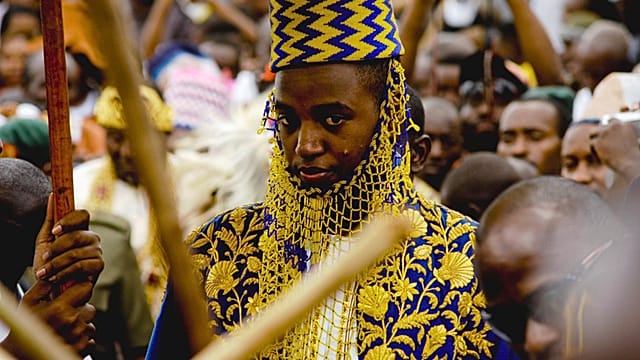
Succession within Uganda's Tooro kingdom is contested following the passing of King Oyo.