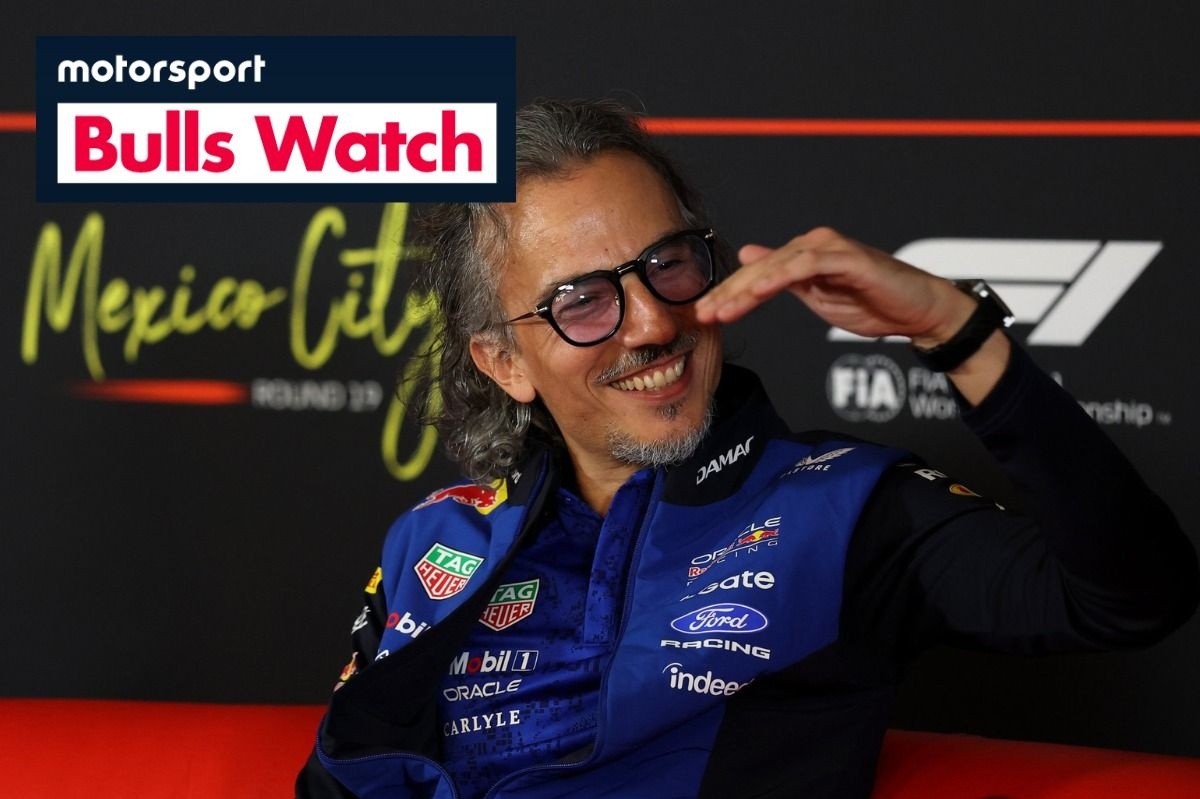
Clarification on Colton Herta's F1 superlicence dilemma: understanding why he remains one point away.
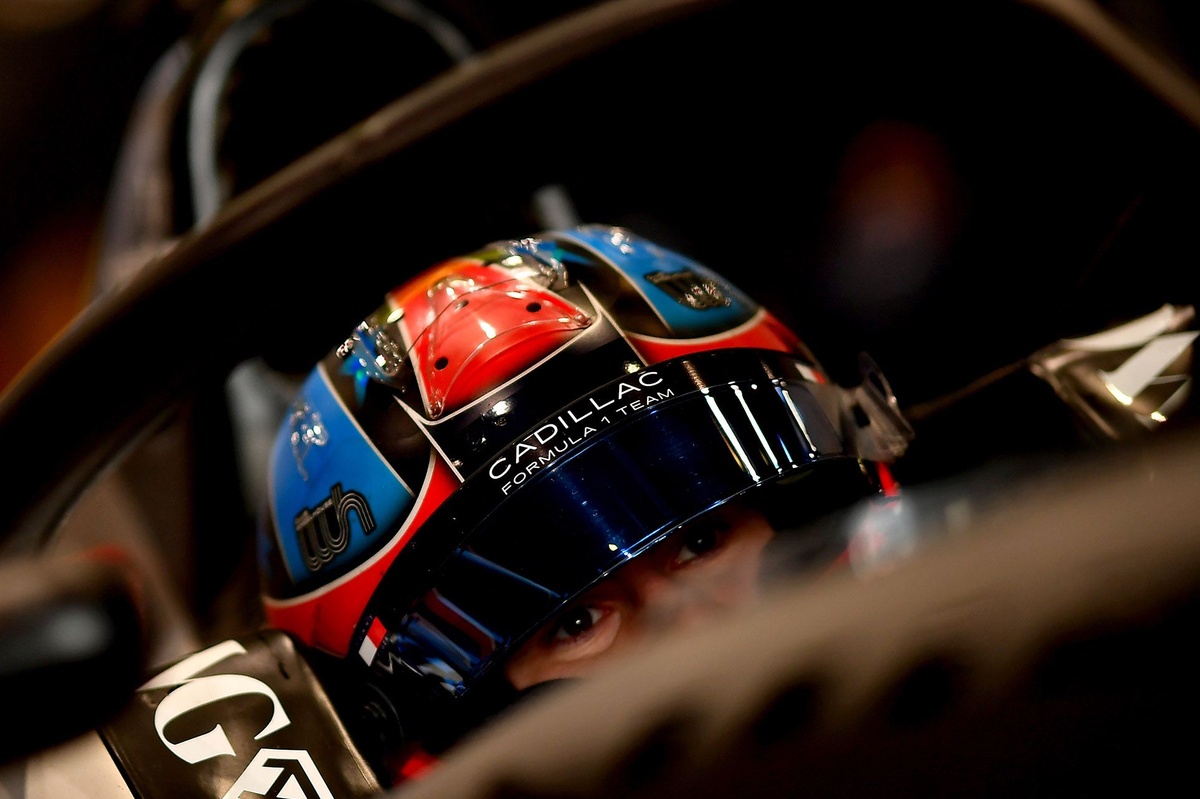
After logging over 100 kilometers in the initial free practice session at the Mexico Grand Prix, Colton Herta seemed to have secured 40 superlicence points, sufficient to meet the criteria needed for a Formula 1 seat.
However, the situation has turned out to be more intricate. The FIA has stated that Herta is still one point away from the requirement.
Uncertainty Surrounding IndyCar's 2025 Season
Let's revisit the fundamentals. There are two pathways to gather the necessary 40 points from various championships. The FIA can either assess all points accrued over the last three calendar years or evaluate points earned in the last two years plus the ongoing season.
“The driver must have accumulated at least 40 points. The FIA will consider the number of points accumulated in either (i) the three-calendar year period immediately preceding the year of the application date, or (ii) the two-calendar year period immediately preceding the application date, along with points accumulated in the current calendar year, whichever is higher,” states the FIA's International Sporting Code.
In Herta's situation, it seems to be the first option: the three previous years combined with the F1 practice sessions he has participated in this season, as those are not linked to a specific year. The American driver has brought 35 points from IndyCar—more details on that later—and gained an additional four through his F1 free practice sessions.
There has been significant confusion in the Mexico paddock regarding those IndyCar points, particularly about whether the total should be 35 or 36. One point originates from the 2023 IndyCar season; 30 points stem from the 2024 season, where he finished as runner-up; while the remaining uncertainty pertains to 2025.
Anyone researching the 2025 IndyCar season results online, such as on Herta's Wikipedia page, will find him listed in seventh place, which would only yield four superlicence points. Herta ended that season tied on points with Felix Rosenqvist.
Colton Herta, Andretti Global
Initially, when the FIA conducted its review in July, Herta was ranked sixth in the IndyCar standings, which would grant him six points. With those six points, he would have surpassed the 40-point threshold, a belief widely held in the paddock after the first practice session.
However, that was found to be incorrect. The FIA later informed Motorsport.com that, following further scrutiny, Herta has been definitively classified as seventh in the 2025 IndyCar season, which means he currently has only 39 points and does not yet meet the criteria for a superlicence.
This indicates that Herta requires one additional F1 practice session to fulfill the requirements, which Cadillac could take advantage of at the upcoming Sao Paulo Grand Prix or the next F1 event on American soil in Las Vegas. Cadillac has already indicated its intention to provide its protégé with more free practice opportunities, ensuring he will eventually meet the superlicence requirements, but, as per the FIA, he has not yet achieved that in Mexico.
What is the Validity of the Superlicence, and What Does This Mean for Cadillac?
An equally intriguing question is how long Herta's superlicence will remain valid once applied for and granted by the FIA.
Technically, a superlicence is only valid for one year, suggesting that it is a now-or-never scenario for Herta’s potential F1 opportunity, needing to materialize in 2027. This is associated with the 30 superlicence points from the 2024 IndyCar season, which may expire after 2027.
However, when Motorsport.com inquired with the FIA, it turned out that the reality is a bit more nuanced—and somewhat more advantageous for Herta. Indeed, the superlicence itself is valid for only one year, but the application process also provides a three-year safety net.
This safety net is linked to Article 13.1.5 b of the International Sporting Code, which states that the following is also sufficient to obtain another superlicence:
“The driver must also satisfy at least one of the following requirements:
“b) Have been granted a Super Licence (excluding Free Practice Only Super Licence) and, prior to application, have previously completed at least 100 km during a free practice session of an FIA Formula One World Championship competition, in any of the previous 3 years.”
Colton Herta, Cadillac Racing
In practical terms, this means that once a driver secures a superlicence, it will expire after a year, placing them in the 'previous licence holders' category.
Those 'previous licence holders' can apply for a new superlicence without needing to meet the 40-point requirement again, as long as they have completed at least 100 kilometers during an F1 free practice session.
This effectively means that after applying for Herta's superlicence, Cadillac will have a three-year window to provide him with an F1 opportunity, should that be their intention. If that chance does not arise immediately in 2027, Herta's 30 IndyCar points will indeed expire in the future, but he can reacquire the superlicence in subsequent years with just one free practice session—without needing to worry about the 40 points again.
Formally, Cadillac still needs to confirm its driver lineup for 2027. Sergio Pérez's contract was renegotiated and extended until at least 2029 ahead of his home race in Mexico, but in Austin, Marcin Budkowski refrained from answering a straightforward question from the F1 presenter with a 'yes'.
The team principal was asked if both drivers had contracts extending beyond the current season, but Budkowski sidestepped the question, stating that the FIA press conference was not the appropriate venue for such discussions.
This left the possibility open for a potential driver change before the 2027 F1 season. Valtteri Bottas subsequently told Motorsport.com, when questioned, that he was not yet worried about possibly losing his F1 seat.
More from this section
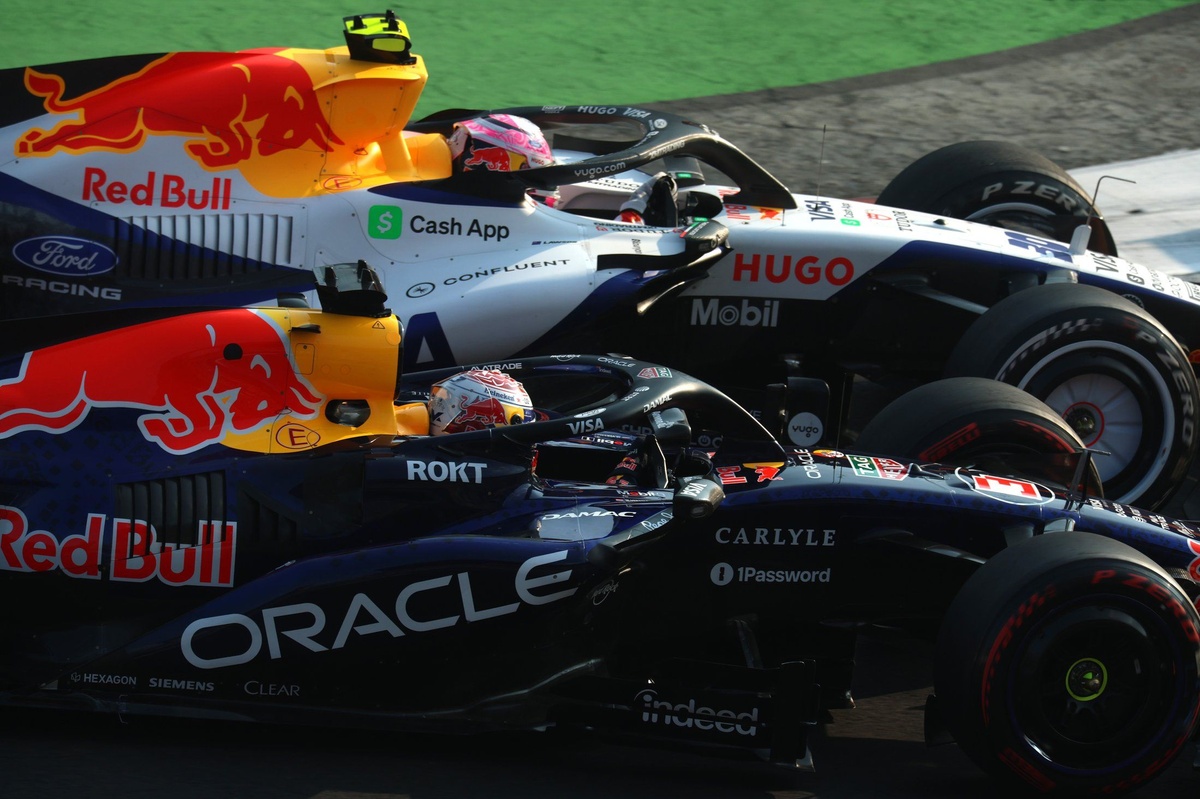
Max Verstappen and Liam Lawson received grid penalties for the Formula 1 Mexico Grand Prix following a collision during practice.
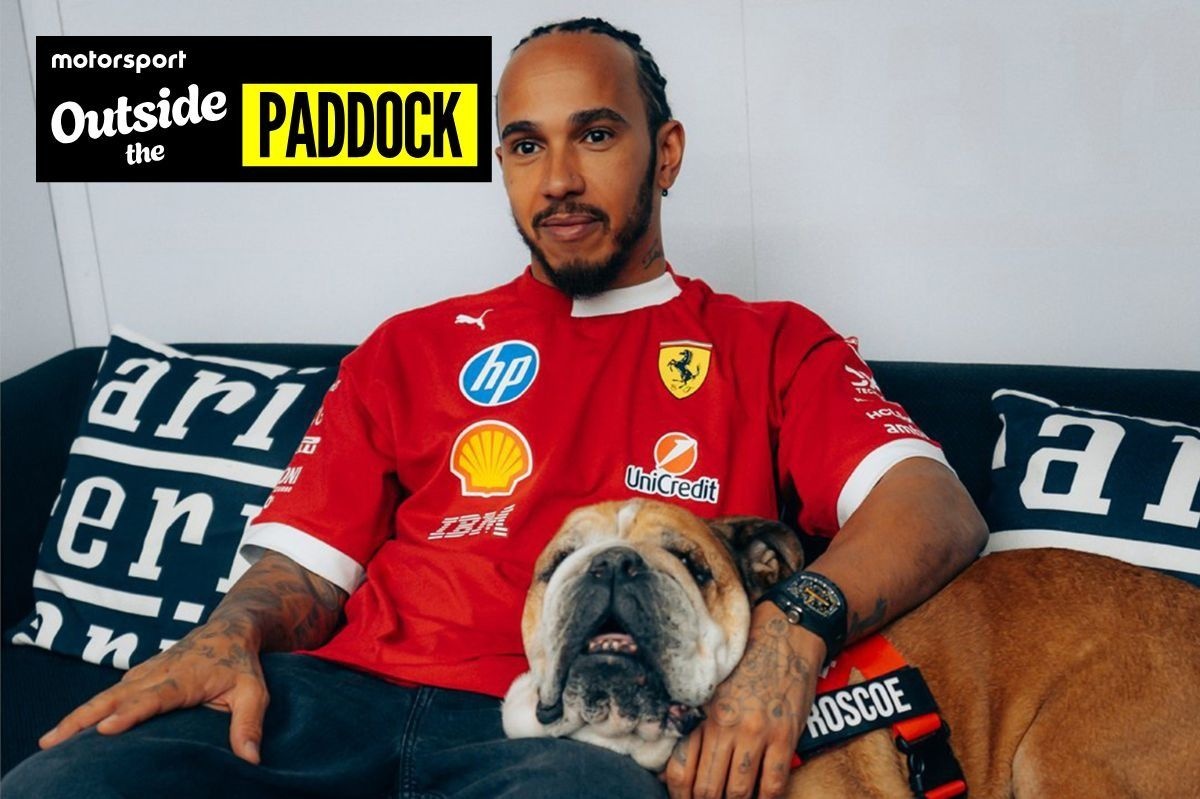
The Mexican Grand Prix features a heartfelt homage to F1 legends, showcasing Lewis Hamilton's cherished companion, Roscoe.
Lewis Hamilton expresses strong belief in Ferrari despite facing technical issues at the Mexican GP.
What lies beneath the "sheer absurdity" of the Oliver Bearman contract speculations?
F1 Mexico GP: Charles Leclerc narrowly edges out McLaren and Mercedes to secure the fastest time in FP2.