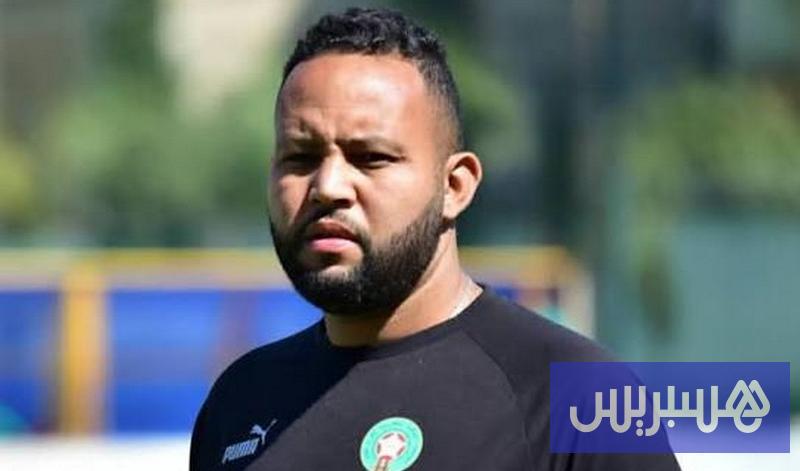
Dikik: Our only competitor is the Moroccan national team and our ambition is to win the World Cup.
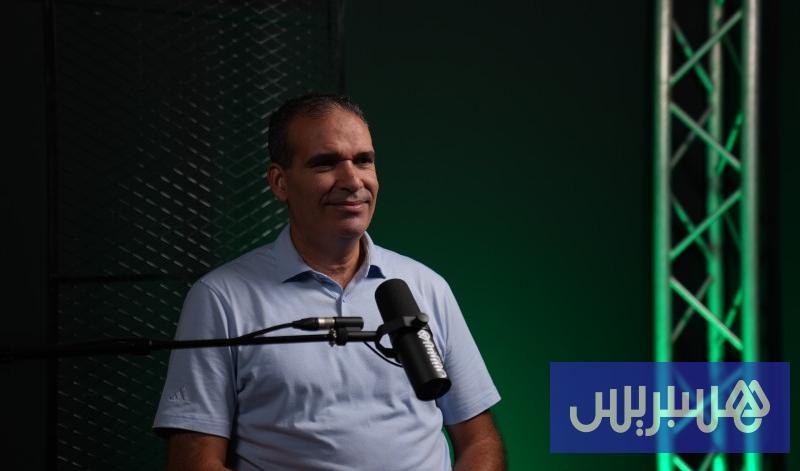
Hicham Dakiq, coach of the Moroccan national futsal team, confirmed that winning the World Cup remains the ultimate goal he aims to achieve. He emphasized that realizing this ambition requires improving the level of local players, enhancing training and infrastructure, and promoting professionalism in clubs, in addition to continuing to strengthen the Moroccan identity in this sport.
Dakiq explained in an interview with the "Hespress Stadium" program that winning the Africa Cup of Nations for the fourth consecutive time holds special significance, given the rising level of competitors and the pressures surrounding the tournament. He noted that maintaining the top position cannot rely solely on past achievements but requires continuous renewal and improvement of work methods.
The national team coach pointed out that "our biggest opponent is the Moroccan team," considering that the challenges facing the team are sometimes related to psychological and mental aspects, such as overconfidence, haste, and pressure from the desire to win, rather than being linked to strong competitors at the moment.
He added that the team entered the last tournament aware that competitors have become more prepared, recalling the development of teams like Egypt, Algeria, and Angola, and their technical capabilities and competitiveness, which made winning require greater effort compared to some previous editions.
Dakiq noted that the pressure increased as the team progressed in the tournament, especially after Moroccan fans became accustomed to wide victories, which might create the impression that winning every match is easy, despite the fact that futsal is characterized by rapid transitions and the potential to score goals in various circumstances.
Regarding the celebration he performed after the final match, when he pointed to the four consecutive titles with his fingers, Dakiq clarified that the gesture was spontaneous, as he interacted with the fans in the hall, confirming that he had not thought about it beforehand, and that the exceptional atmosphere accompanying the victory brought out a natural expression of joy.
The national coach stressed that the secret to continuing to achieve titles lies in not being satisfied with past accomplishments, explaining that the technical staff reviews its methods after each tournament in search of new ways to improve performance and keep pace with the development of competitors.
He added that the team has shifted from focusing on technical and tactical aspects to paying attention to additional details, such as pressing the opponent, exploiting set pieces, and analyzing teams' behaviors and reactions during matches, which allows for identifying their strengths and weaknesses and preparing for various scenarios.
Dakiq explained that he personally managed part of the process of researching opponents by watching matches, recordings, and studying each team's mindset, confirming that understanding the opponent's character and anticipating their reactions helps in making appropriate decisions during crucial encounters.
He also revealed the development of work within the technical staff by distributing tasks and benefiting from various specializations, whether in analyzing opponents or tactical aspects and physical and medical preparation, with a special approach to managing the goalkeeping position, which involves rotating the goalkeepers during matches, as experience has shown that this helps maintain focus and readiness.
The Moroccan coach considered that these details contributed to raising the level of competition within the group, noting that success is not linked to a single technical decision, but rather to the integration of efforts from various staff members and the ability to learn from past experiences and improve performance with each new occasion.
Moroccan Identity and Global Ambition
Regarding the identity that distinguishes Moroccan futsal, Dakiq confirmed that he chose from the beginning not to imitate the experiences of global schools, despite some of them outperforming the Moroccan team in the international rankings. He emphasized that what is needed is to study the experiences of Brazil, Spain, and Portugal and benefit from them, without abandoning the artistic characteristics of Moroccan players.
He explained that the work started from understanding the capabilities of local players, especially individual skills and decision-making ability, then utilizing these features to serve the team through ball possession, luring the opponent, and exploiting spaces, instead of relying on a direct style that may not suit the nature of Moroccan players.
Dakiq added that this philosophy is no longer limited to the first team, but its influence has extended to various age categories and the women's team, allowing coaches the opportunity to innovate and add their personal touches within a shared technical framework.
Dakiq revealed that the Moroccan experience has gained international attention, recalling his participation in a meeting in Brazil dedicated to discussing futsal, where the Moroccan experience was presented to experts and coaches, in a step he considered a source of pride, especially since Brazil is one of the leading schools in this sport globally.
He clarified that the differences with major teams do not necessarily relate to tactical systems, but rather to the level of individual skills and early training, noting that players from some countries start practicing futsal at a young age, while age-group tournaments and specialized training still need further development in Morocco.
Regarding global ambition, Dakiq confirmed that the Royal Moroccan Football Federation has not imposed on him, since the beginning of the project, goals related to the necessity of winning a specific title, noting that the relationship is based on trust and joint work, and that raising the ceiling of ambitions comes within a long-term vision to develop this sport.
He added that the demands he raises are not limited to the first team, but also include developing the national league, improving infrastructure, expanding the base of practice, and focusing on age categories, considering that building a strong system is the most realistic path towards competing for the World Cup.
Dakiq confirmed that achieving this goal requires local players to be capable of training at the same level that distinguishes players from major teams, whether in terms of training intensity, physical preparation, or match analysis, stressing that talent alone is not enough to achieve success at the highest levels of competition.
He addressed the difficulties some local players face when transitioning to the national team due to their unfamiliarity with the volume of training and the demands of international competition, explaining that players need to develop their daily discipline and pay attention to nutrition, rest, and physical and mental preparation, in order to maintain their level and avoid injuries and fatigue.
Dakiq added that developing players' mentality remains one of the top priorities, as competing for the World Cup requires comprehensive professionalism, not just technical skills, noting that the team has reached the quarter-finals of the World Cup twice in a row, and that the next step is to surpass this stage and advance to the final rounds.
Dakiq refused to set a specific timeline for winning the world title, considering that competing for the World Cup means reaching a comprehensive level in management, administration, training, development, and mentality, rather than merely having a group of talented players.
He stated that Brazil, Spain, Argentina, and Portugal have accumulated long experiences in this sport, and that surpassing them requires the concerted efforts of all parties, including the federation, clubs, coaches, and players, with careful planning for all details related to preparation and competition.
Dakiq affirmed that the Moroccan team will be better in future editions of the World Cup, but he stressed the necessity of collective work, explaining that some issues related to prioritizing personal interests over the group's benefit still appear in the futsal environment, and that overcoming them remains essential to achieving major goals.
Support from the Federation and Challenges of the National League
In discussing his relationship with the Royal Moroccan Football Federation, Dakiq recalled some difficult moments he experienced at the beginning of the project, highlighting that conditions were not always easy, and that the work went through periods of pressure and sacrifices before the team began to reap results and achieve titles.
The Moroccan coach spoke emotionally about an old video in which he expressed his gratitude to the federation president, Fouzi Lekjaa, noting that that moment came after years of working under difficult conditions, while recalling the efforts made by the technical staff and the obstacles they faced, in addition to a painful incident that affected members of his circle.
Dakiq confirmed that Lekjaa was one of the main supporters of the project, explaining that the development of futsal has not been limited to the first team, but has included the establishment of a dedicated hub for this sport, attention to age categories, and providing suitable infrastructure for training, which has helped improve working conditions and raise the level of competitiveness.
He added that he is keen to raise his demands whenever the opportunity arises, whether during meetings with the federation president or at other occasions, stressing that these demands are related to developing the national league and improving conditions for clubs and players, not personal interests.
Dakiq stated that the success of Moroccan futsal is more important to him than any other consideration, clarifying that he has not prioritized professional offers or personal gains in his career, as his main focus is on developing this sport and leaving a system capable of sustaining itself and achieving accomplishments.
Regarding his future with the national team, Dakiq confirmed that he will deal positively with any decision to end his mission, saying that if he is asked to leave, he will thank the officials and wish them success, stressing that leaving any position should be done in a way that preserves mutual respect, and that working to develop futsal can continue from different positions.
In evaluating the national league, Dakiq considered that it has approached a very good level, but still needs to improve the working conditions of clubs, especially regarding the provision of training halls, strength training facilities, and necessary equipment, so that players can train regularly throughout the week, rather than being limited to a few sessions in the hall.
He explained that the national team benefits from players who have trained in the Moroccan league before some of them move to professional contracts abroad, emphasizing that developing local clubs will help retain talents and raise the level of competition, as well as provide the national team with a broader base of players capable of meeting the demands of international work.
Dakiq considered that providing professional conditions for clubs will make the national league more competitive, noting that many players prefer to stay in Morocco when they find suitable opportunities and conditions within their clubs that help them develop, rather than moving abroad in search of better opportunities.
He addressed the difficulties that accompany local players joining the national team, especially when the dates of gatherings conflict with their commitments to their clubs, explaining that some players faced issues due to their absence from their teams during the preparation period for the Africa Cup of Nations, with some cases leading to salary deductions or threats to their positions within the clubs.
Conversely, he praised the clubs that understood the importance of their players participating with the national team and contributed to facilitating their joining the preparatory gatherings, considering that the relationship between the national team and clubs should be based on cooperation and prioritizing the public interest, ensuring that both parties benefit from the players' efforts.
He pointed out that expanding the base of practitioners and developing age-category tournaments remain priorities, as training players at a young age helps them acquire skills and quick decision-making, which are essential elements in futsal, given the limited spaces and fast-paced play.
Personal Sacrifices and Lessons in Leading Players
On a personal level, Dakiq revealed that his work goes far beyond the hours of training at the Mohammed VI Football Center, explaining that he regularly follows national league matches, travels to different cities to scout players and search for talents, as well as monitoring age categories and the women's team, coordinating with technical staff, and benefiting from experiences in other sports.
He confirmed that closely monitoring players allows him to understand their capabilities and behaviors on the field, as well as assess their discipline and ability to develop, noting that the selection process does not rely solely on technical skills but also includes behavioral and mental aspects.
Dakiq admitted that his continuous engagement with futsal has impacted his family life, highlighting that his wife and children have borne a significant part of the consequences of this professional commitment, while also recalling his relationship with his late father, who he could not spend enough time with during the early years of his work.
He added that his seven-year-old daughter, Kenza, sometimes expresses her longing for him when he returns home, which has made him more aware of the amount of time work has taken from him, despite his conviction that the sacrifices were part of building the sports project.
Regarding the transformations in his personality since the beginning of his experience with the national team, Dakiq explained that his approach to dealing with players has changed significantly, having previously relied on strictness that sometimes extended to the day of the match, before becoming more careful to separate training requirements from match management.
He stated that training sessions represent for him the area where he can control details and impose the highest levels of discipline, while matches require a different approach to players, helping them feel confident and secure and alleviating pressure on them, as they become the most important element on the field.
Dakiq added that the experience has taught him the necessity of helping players focus during matches and providing the guidance they need instead of increasing pressure on them, affirming that a coach's success is not only linked to their ability to impose discipline but also to understanding players' psychological states and how to deal with each situation.
He recalled in this context the case of player Anas Al-Ayan, who did not participate in the final match of one of the tournaments despite his important role in the group, explaining that he did not have the opportunity after the match to analyze...
...his performance with his teammates, providing an accurate explanation of the tactical details as if he had been present at the match.The Moroccan coach stated that he used that moment to express to the team the value of the player, noting that he benefited from his analysis, in a situation he considered evidence of the importance of recognizing players' efforts and benefiting from their opinions, even in their absence from matches.
Regarding the principle he relies on in his work, Dakiq said he believes in the necessity of "utilizing all resources as if they are everything, then relying on God as if you have done nothing," explaining that success requires a combination of competence, hard work, learning, research, and discipline, in addition to integrity and ensuring that players are not wronged.
He emphasized that tactical choices may contain mistakes, but he considers acknowledging them essential, stressing that what he fears most is wronging a player or depriving them of an opportunity they deserve, as integrity in selection and dealing with the team is part of the responsibility that a coach bears.
Regarding the most significant moments that shaped his career, Dakiq considered his decision to transition from coaching football to futsal as one of the toughest choices, especially since he had been working in football and achieved notable results with the youth categories of KAC Kénitra, before choosing to focus on futsal and take over the national team.
He also recalled the Moroccan national team's match against Venezuela in the World Cup, considering it one of the encounters he cannot forget, due to the importance of its result for the team's journey during that period. He mentioned the defeat against Panama in their first World Cup participation, describing it as a tough experience from which he learned a lot about the necessity of good preparation and not underestimating any opponent.
On the possibility of coaching another national team in the future, Dakiq clarified that he does not rule out continuing to work in futsal from a technical or administrative position, recalling the experience of Spanish coach Javier Lozano, who continued to work in this field after his coaching career, believing that the development of the game does not necessarily stop at coaching the senior national team.
Dakiq affirmed that the Moroccan national team will be in a better position in future World Cup editions, reiterating his ambition to surpass the quarter-finals and compete for the title, but he stressed that achieving this goal depends on improving the level of local players, enhancing training and infrastructure, and strengthening cooperation among all stakeholders.
He concluded his remarks by emphasizing that the Moroccan project in futsal has made significant strides, but still requires more work and planning, considering that reaching the global summit necessitates a comprehensive system that believes in the public interest and provides players with the necessary conditions for development, so that winning the World Cup becomes an achievable goal.
More from this section
Hassania Agadir expresses its dissatisfaction with "the referee's decisions regarding Raja."
Hakimi visits Onahi after successful surgery
Cafu clarifies the controversy surrounding the 1998 World Cup: We were not lenient with Norway in eliminating Morocco.
Raja CA is moving towards a decision to dismiss coach Juan Carlos Garrido.
The draw ends the match between MAS and Berkane.