FIFA expects to generate $5 billion in revenue from ticket sales for the World Cup.
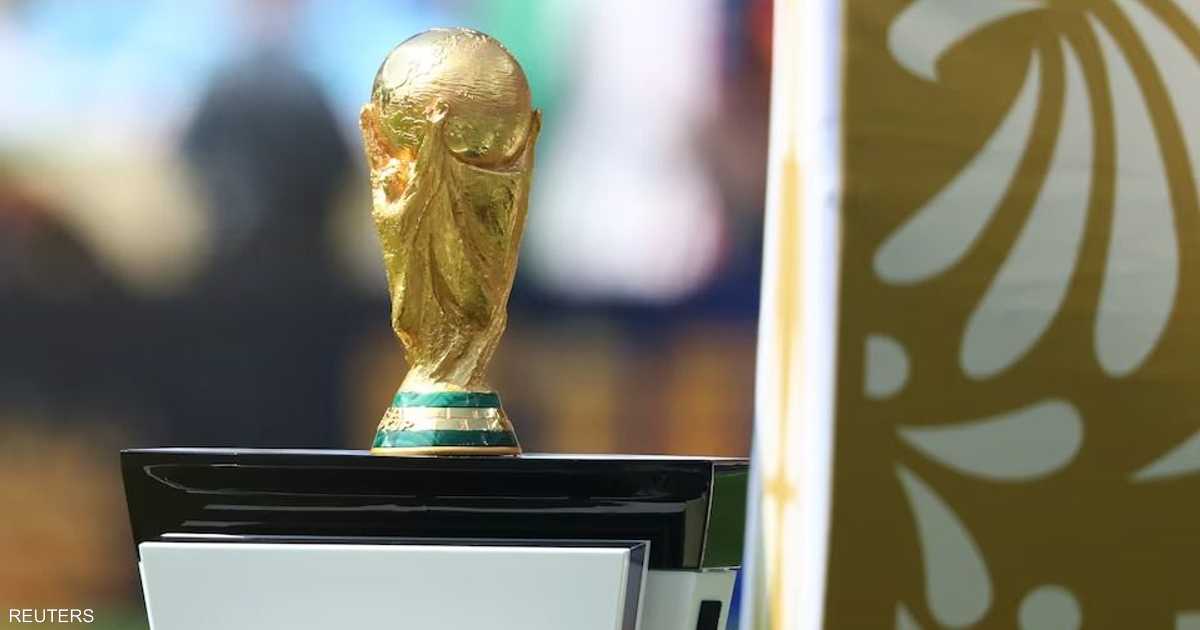
Reports indicate that FIFA expects to generate around $5 billion from ticket sales and hospitality services during the 2026 World Cup, which would be more than five times the revenue earned from the tournament held in Qatar in 2022.

The 2026 edition will feature 104 matches, an increase of 40 matches compared to the Qatar 2022 World Cup, which was limited to 64 matches, where ticket sales and hospitality services generated $929 million.
In response to The Athletic, FIFA stated that the tournament attracted 6.81 million fans, with an occupancy rate of 99.7 percent across all matches.
A spokesperson for the federation added that the revenues will provide unprecedented resources for the 211 member associations, allowing them to invest in the development of football for men, women, and youth.
He noted that the federation's management presented to the FIFA Council a proposed initiative called the "FIFA Solidarity Program from Financial Surplus," aimed at using part of the federation's reserves to more than double the planned funding for the period between 2027 and 2030 to reach $6.35 billion.
Criticism of Ticket Policy
On the other hand, the ticket sales policy implemented by FIFA during the tournament has faced significant criticism, as the federation adopted a dynamic pricing system for the first time, where prices change according to demand levels, in addition to taking 30 percent of the value of ticket resale transactions.
The federation also restricted ticket resale in the United States to its official platform, rather than allowing a traditional secondary market, preventing brokers and speculators from benefiting from these transactions, according to FIFA's justification, which argues that this money should be invested in global football.
The Athletic revealed before the tournament that initial ticket prices reached record levels in World Cup history, with the price of a ticket for the final match, scheduled at MetLife Stadium in New Jersey on July 19, starting at $4,185, seven times the price of the cheapest ticket for the Qatar 2022 final.
In response to what it described as "excessively high prices," the organization "Football Fans in Europe" and the consumer rights organization "Euroconsumers" filed an official complaint with the European Commission.
FIFA defended its pricing policy, asserting that ticket revenues will be reinvested in football, noting that prices reflect the nature of the market in North America, where paying hundreds of dollars to attend sporting events is common.
After a wave of criticism, the federation announced the release of 1,000 tickets at $60 each for every match of the 104 matches in the tournament.
FIFA President Gianni Infantino announced that the edition hosted by the United States, Canada, and Mexico has achieved revenues of $15 billion, an increase of $2 billion over initial projections.
According to these figures, ticket sales and hospitality services account for about one-third of the total revenue of the tournament, while the $5 billion figure is still under review, which may lead to adjustments either upward or downward.
The 2026 edition will feature 104 matches, an increase of 40 matches compared to the Qatar 2022 World Cup, which was limited to 64 matches, where ticket sales and hospitality services generated $929 million.
In response to The Athletic, FIFA stated that the tournament attracted 6.81 million fans, with an occupancy rate of 99.7 percent across all matches.
A spokesperson for the federation added that the revenues will provide unprecedented resources for the 211 member associations, allowing them to invest in the development of football for men, women, and youth.
He noted that the federation's management presented to the FIFA Council a proposed initiative called the "FIFA Solidarity Program from Financial Surplus," aimed at using part of the federation's reserves to more than double the planned funding for the period between 2027 and 2030 to reach $6.35 billion.
Criticism of Ticket Policy
On the other hand, the ticket sales policy implemented by FIFA during the tournament has faced significant criticism, as the federation adopted a dynamic pricing system for the first time, where prices change according to demand levels, in addition to taking 30 percent of the value of ticket resale transactions.
The federation also restricted ticket resale in the United States to its official platform, rather than allowing a traditional secondary market, preventing brokers and speculators from benefiting from these transactions, according to FIFA's justification, which argues that this money should be invested in global football.
The Athletic revealed before the tournament that initial ticket prices reached record levels in World Cup history, with the price of a ticket for the final match, scheduled at MetLife Stadium in New Jersey on July 19, starting at $4,185, seven times the price of the cheapest ticket for the Qatar 2022 final.
In response to what it described as "excessively high prices," the organization "Football Fans in Europe" and the consumer rights organization "Euroconsumers" filed an official complaint with the European Commission.
FIFA defended its pricing policy, asserting that ticket revenues will be reinvested in football, noting that prices reflect the nature of the market in North America, where paying hundreds of dollars to attend sporting events is common.
After a wave of criticism, the federation announced the release of 1,000 tickets at $60 each for every match of the 104 matches in the tournament.
More from this section

CAN 2027 qualifiers: Mohamed Ouahbi will unveil his player list on November 4.

By scoring and providing an assist, Benrahma shines on the pitch!
Ballon d'Or: Kane surpasses Mbappé by 28 points, top 10 results revealed.

Abde Ezzalzouli distances himself from Paris Saint-Germain.