George Russell compelled to compete with worn Mercedes components following the Singapore GP accident.
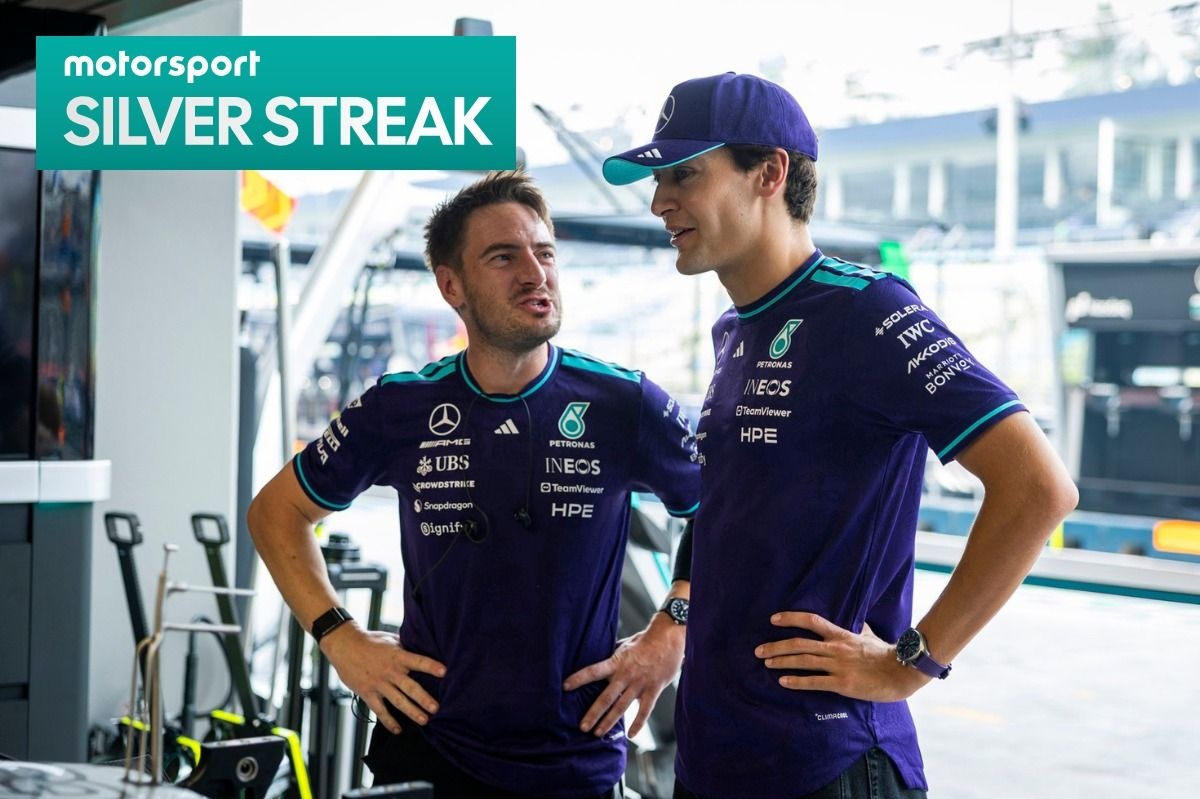
George Russell’s 2026 Singapore Grand Prix was already a documented disaster before the race even began. We were aware he had to endure a staggering 60-place engine penalty, wrestled with a brake pedal that decided to lose its firmness, and spent two hours sweltering in the cockpit while a ruptured drink bottle leaked an unknown liquid all over him.
However, new insights from insiders in the German paddock reveal that his Sunday race was even more challenging than it initially appeared.
After Russell crashed his car into the barriers during Saturday's tumultuous sprint race, he didn't just hurt his pride - he completely depleted the Brackley team's supply of fresh carbon fibre.
A certified pre-owned Mercedes
When the Mercedes crew pulled Russell's damaged W17 back into the garage on Saturday night, the cost of repairs was substantial. As reported by Auto Motor und Sport, the team had to replace the front wing, the floor, the front suspension, and the entire rear section of the vehicle.
The twist? The crash consumed so much inventory that the team completely exhausted their stock of brand-new spares.
Max Verstappen, Red Bull Racing, George Russell, Mercedes
Rather than outfitting the car with brand-new, pristine components, the engineers had to scavenge through the back of the garage to reconstruct the vehicle using previously used parts. Essentially, Mercedes had to send Russell out for Sunday’s race in a certified pre-owned patchwork car.
Same spec, less speed
Before F1 Twitter ignites conspiracy theories about Mercedes intentionally undermining Russell to benefit Kimi Antonelli, let’s examine the facts. The second-hand components added to Russell's chassis were identical in aerodynamic specification to the new ones.
Nonetheless, Formula 1 cars endure extreme stress. Carbon fibre bends, floors scrape the asphalt, and suspension arms endure heavy impacts over curbs. AMuS pointed out that since these salvaged components had already experienced wear and tear in previous races, they inherently delivered less performance than a brand-new set.
George Russell, Mercedes
All of a sudden, Toto Wolff’s comment on the radio calling Russell's P9 finish a successful “damage limitation” makes a lot more sense. Fighting your way from 19th on the grid to earn points on a street track is challenging enough. Accomplishing it in a makeshift car that has lost some of its aerodynamic efficiency due to worn parts is truly impressive.
The next time you lock up and crash your car in the F1 video game and simply hit the "Flashback" button, take a moment to consider the real-life mechanics who must physically piece these vehicles back together at 2am.
More from this section
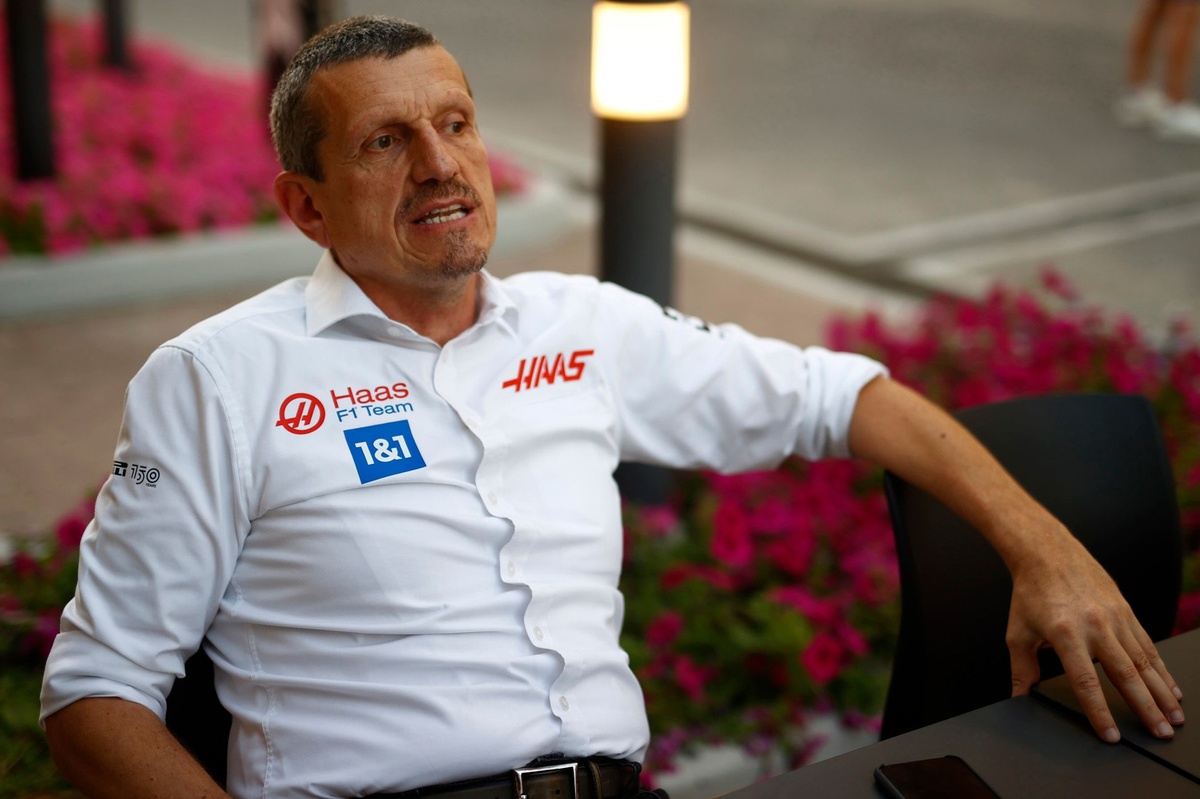
Christian Horner playfully pokes fun at Guenther Steiner: 'He has yet to secure an F1 podium finish'
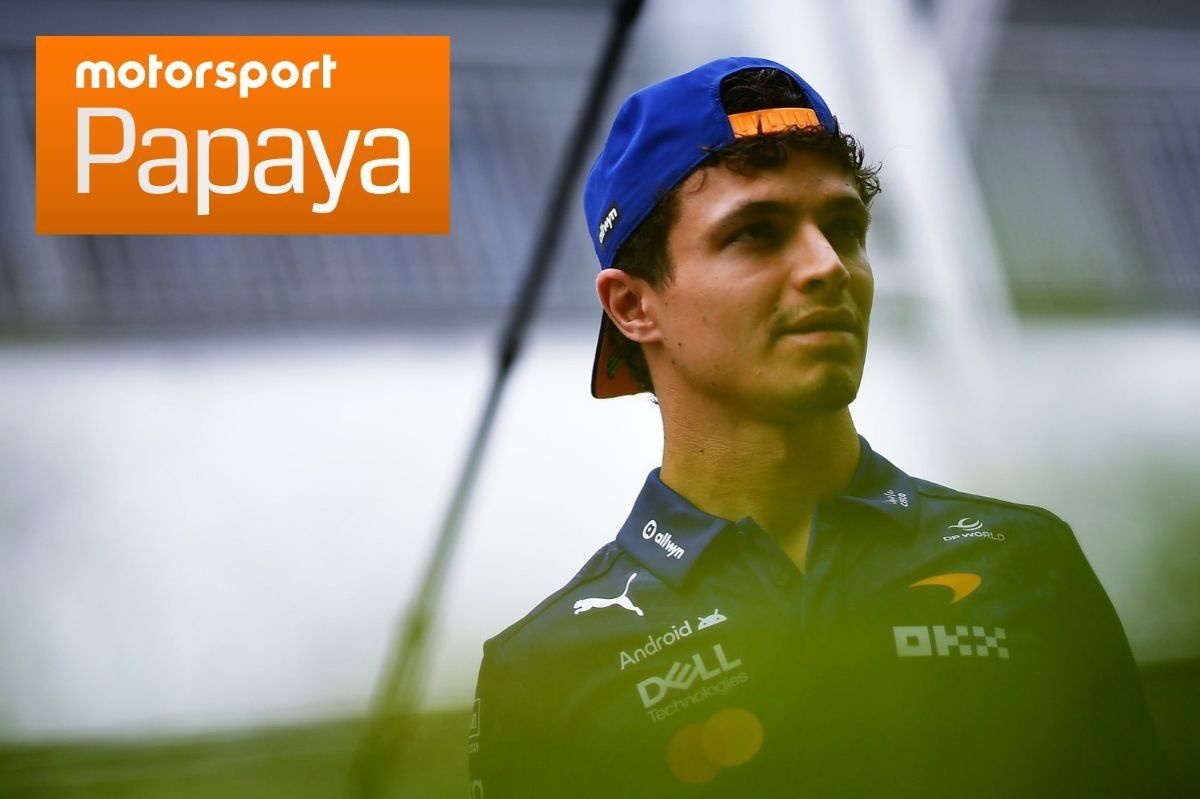
Lando Norris criticized by Guenther Steiner for "not displaying a world champion's mentality"

Max Verstappen shares his thoughts on the "incredibly special" moment during the Singapore GP with Gianpiero Lambiase.
Every milestone Kimi Antonelli could surpass if he clinches the F1 championship in Austin
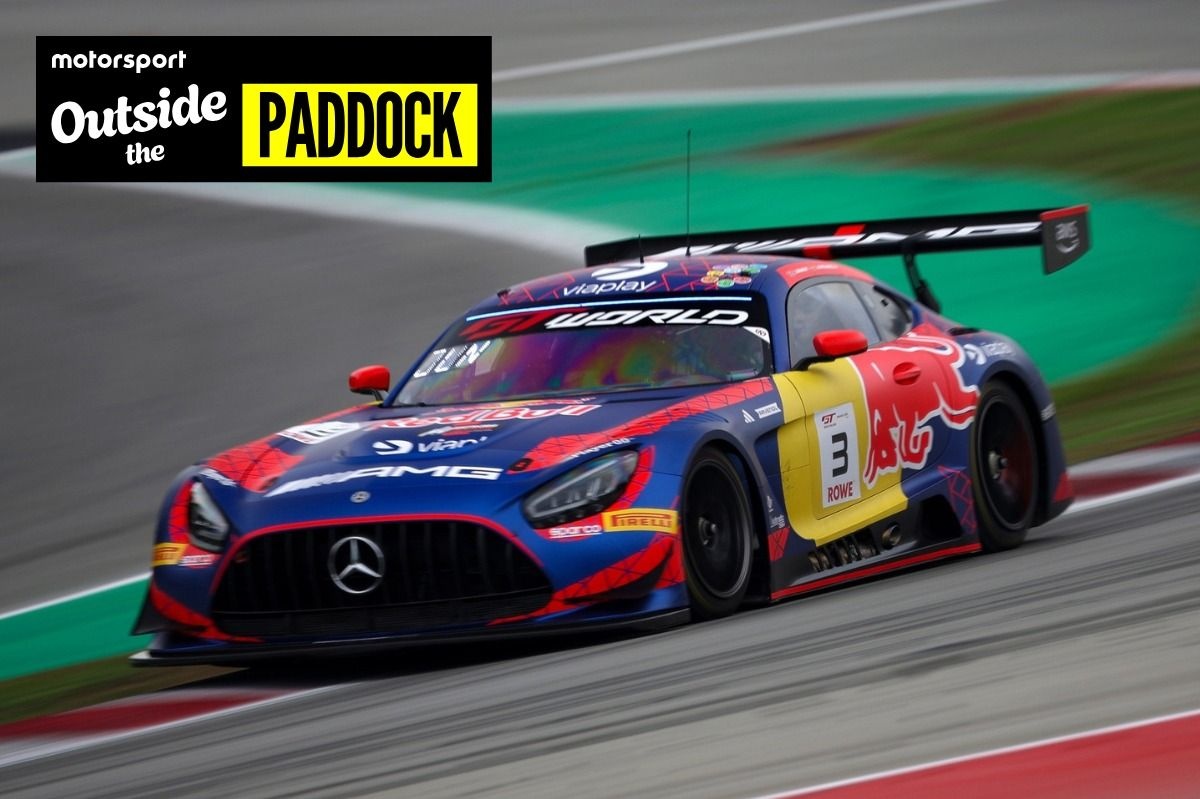
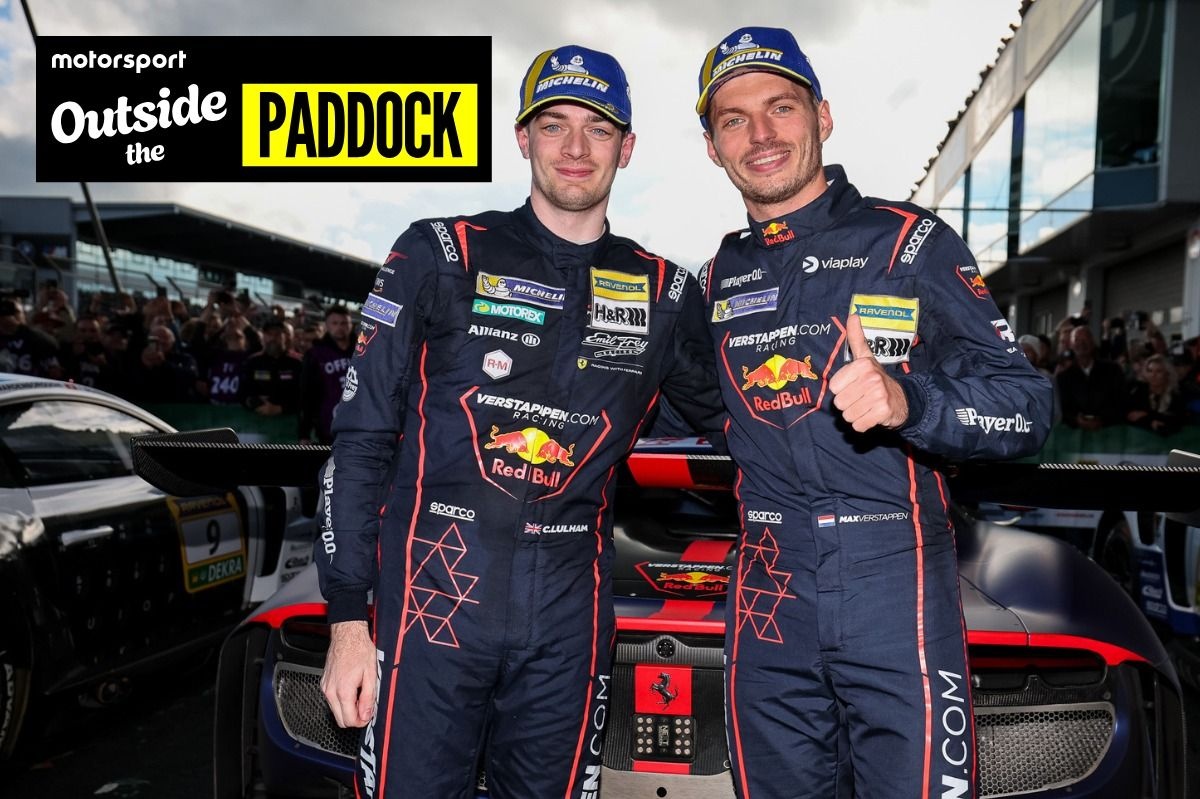
Max Verstappen versus Valentino Rossi: A Comparison of Their GT3 Vehicles