How Carlos Sainz recovered from the toughest phase of his Formula 1 journey
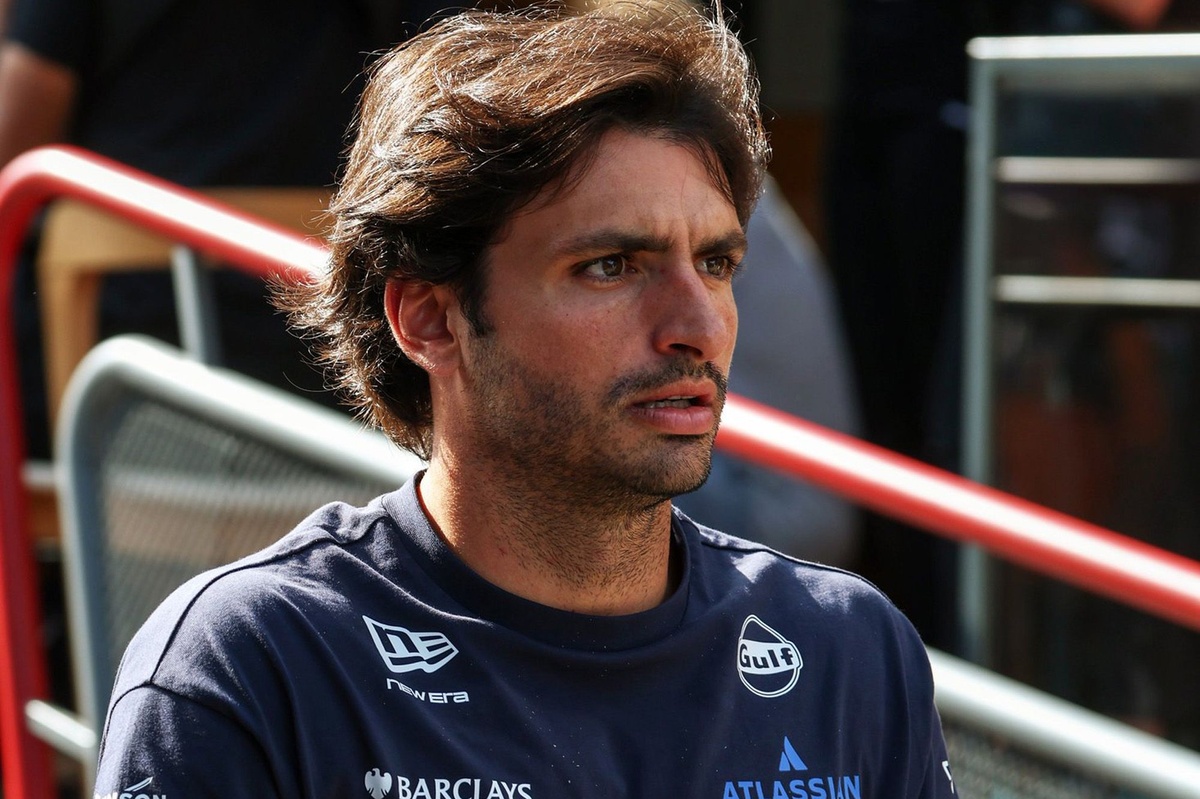
Baku will always hold a unique significance for Carlos Sainz. When we caught up with him just before the 2026 Azerbaijan Grand Prix last week, the Spaniard had freshly arrived in the city, and his mind naturally wandered back to a year ago when he celebrated his inaugural podium finish with Williams.
This remains one of the highlights of his career, yet as Sainz returned to Baku in 2026, he did so after experiencing several challenging months, during which the FW48 has not delivered the performances he had anticipated.
Despite this, he feels quite the opposite on a personal level: at 32, he believes he is nearing the peak of his career and is performing at a very high standard. This stark contrast between his driving confidence and the disappointing results has rendered this period exceptionally frustrating.
MS: Carlos, how are you?
Carlos Sainz: “I’m well. I arrived yesterday for the race weekend. This place brings back a lot of wonderful memories from last year, particularly my first podium with Williams. That was likely one of the finest moments of my career, so Baku has become quite significant for me.”
How would you characterize this moment in your life and career?
“It’s a unique time because I feel I’m having a solid year in terms of my performance. At 32, I sense I’m approaching the peak of my career. I believe I’m driving well this year, but it has been a frustrating season overall, with numerous car issues hindering our ability to secure good results.
“In a sense, I feel like this might be a lost year in my career since we haven’t been able to meet our targets. I hope it’s just an unusual year and that we can position ourselves better next season.”
You joined Williams in 2025, but prior to that, you raced for Toro Rosso, Renault, McLaren, and Ferrari. What do you think you have contributed to this team, and how has Williams evolved since you joined?
Carlos Sainz, Williams
“Firstly, I’ve brought my experience and speed as a driver. After 12 years in Formula 1, I think it’s clear what my strengths are. More importantly, I believe I’ve contributed experience and a particular work ethic, aiming to assist this team in its improvement.
“Having been part of top teams like Ferrari, I can provide Williams with a benchmark for where a leading team stands today and what is required to reach that level.
“The positive aspect is that we also have James Vowles, who hails from Mercedes, and Alex [Albon], who has experience in the Red Bull setup. We have several key figures within the team who understand how a top team operates. We’re striving to elevate Williams back to that status in the future.”
You have chosen to commit your future to Williams. Beyond technical aspects, what have you observed in the team’s personnel that convinced you to maintain your faith in the project?
“There are two primary reasons. The first is my confidence in the project, the people, and the medium- to long-term vision within the team. Admittedly, this year has been very disappointing, an outcome that took us by surprise. It has also highlighted the extent of improvement we still need and that we might be further from our goals than we initially believed.
“Last year was nearly the opposite: we achieved results that exceeded expectations. This year has proven to be significantly more challenging. The second reason is that I felt at home from the moment I arrived. At Williams, I sense that people genuinely listen to me, and that’s essential for me as a driver. I want to feel that when I speak, my voice matters, and that certain things can progress in the direction I propose.
“So far, that’s precisely what I’ve experienced here. Some of the best years of my career were at McLaren, as well as some of my time at Ferrari. At McLaren, for instance, I felt similarly to how I feel now at Williams. I believe a driver can perform at their best when they find themselves in that kind of supportive environment.”
Sainz at McLaren in 2019
You often describe yourself as a logical person. But is there also a side of Carlos Sainz that finds it hard to move on from a poor day at the track?
“Absolutely. I’m the first to admit that when I go to bed after a day that hasn’t gone well, I dwell on the mistakes made. However, experience has taught me something very valuable: the understanding that life continues. We all have good weekends and bad weekends. A driver’s worth doesn’t diminish because of one disappointing race.
“With experience, you learn to manage those mental challenges. You realize it’s just one race, and perhaps in the next one, you find yourself on the podium in Baku, and suddenly everyone forgets what happened before, viewing you as a different driver. Experience plays a significant role in that aspect.”
What has been the toughest moment of your career?
“Without a doubt, the months following the news of my departure from Ferrari. Honestly, I thought I would be there for a long time. We had gone through four strong years where Charles [Leclerc] and I worked well together, and the team was progressing positively.
“I never anticipated leaving Ferrari, but that circumstance arose, and I needed two or three months to regroup, figure out how I wanted to advance my career, and identify my next objectives.
“Those were challenging months, yet it was through that difficulty that I likely found the best form of my career afterward. I won in Australia, secured podiums, and I believe I had a very strong 2024 season.”
And what has been the highlight?
“I have countless cherished memories from my time at McLaren. I truly enjoyed racing for that team and achieving my first podiums there.
"Then there were the victories with Ferrari. It's hard to articulate the emotions a driver experiences when they win their first races. The manner in which those four victories unfolded makes each one special.
“Then there was the podium finish with Williams. I had taken a risk by choosing this team, and perhaps some thought I was making a poor choice. Yet we ended up with three podiums towards the season's end, and everything seemed to be heading in the right direction.
“That’s precisely why this year has been so hard to comprehend. It’s been a truly complex season.”
Baku 2025
You carry a prominent surname in the motorsport world. Were there ever moments when being a Sainz felt more like a burden than a benefit?
“Yes, particularly during my initial years in karting. At that time, the weight of my surname felt heavier than the advantages it could provide. As a young driver, I felt that pressure intensely. I could perceive that I wasn’t treated the same way because of who my father was.
“There were some very challenging situations that I prefer not to discuss now, but between the ages of 11 and 14, while I was karting, I faced some tough moments. Perhaps one day I’ll share those in a biography. I certainly felt the pressure, and I witnessed some people behaving poorly towards a 12- or 13-year-old boy. I didn’t appreciate that.”
If you could speak to the 15- or 16-year-old Carlos today, would you reassure him that it was all worth it? Is there anything about the life of a 'normal' teenager that you feel you missed out on?
“I would absolutely tell him that it was worth it. I never truly had a moment where I questioned whether the sacrifices I was making were justified, because I always found joy in it.
“Driving, attending races, competing — it was always my aspiration. Even when I missed out on certain typical experiences a 16-year-old might have, I never viewed it as a sacrifice. I believed I was pursuing my passion.
“Of course, there were tense times and pressure, moments when I wasn’t sure if I would make it to Formula 1 or truly become a Formula 1 driver.
“To that boy who had uncertainties about whether he would someday reach this point, or even win races in Formula 1, I would tell him not to fret. He will achieve it. And he will likely have a more remarkable career than he ever envisioned.”
More from this section
Alex Brundle raises doubts about McLaren F1's upgrade following letdown at the Azerbaijan GP.
Cadillac's solution reduced F1 brake temperatures by 100C – Valtteri Bottas
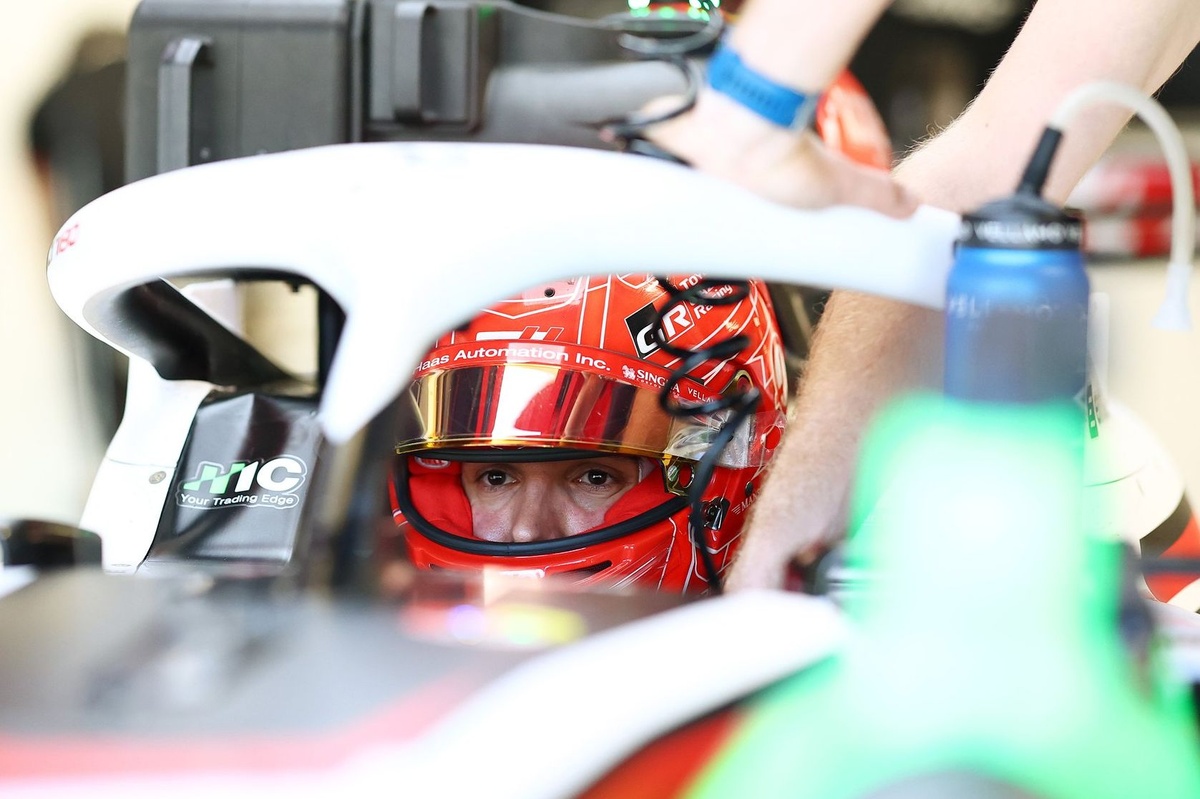
Esteban Ocon will depart from Haas following the conclusion of the F1 2026 season.
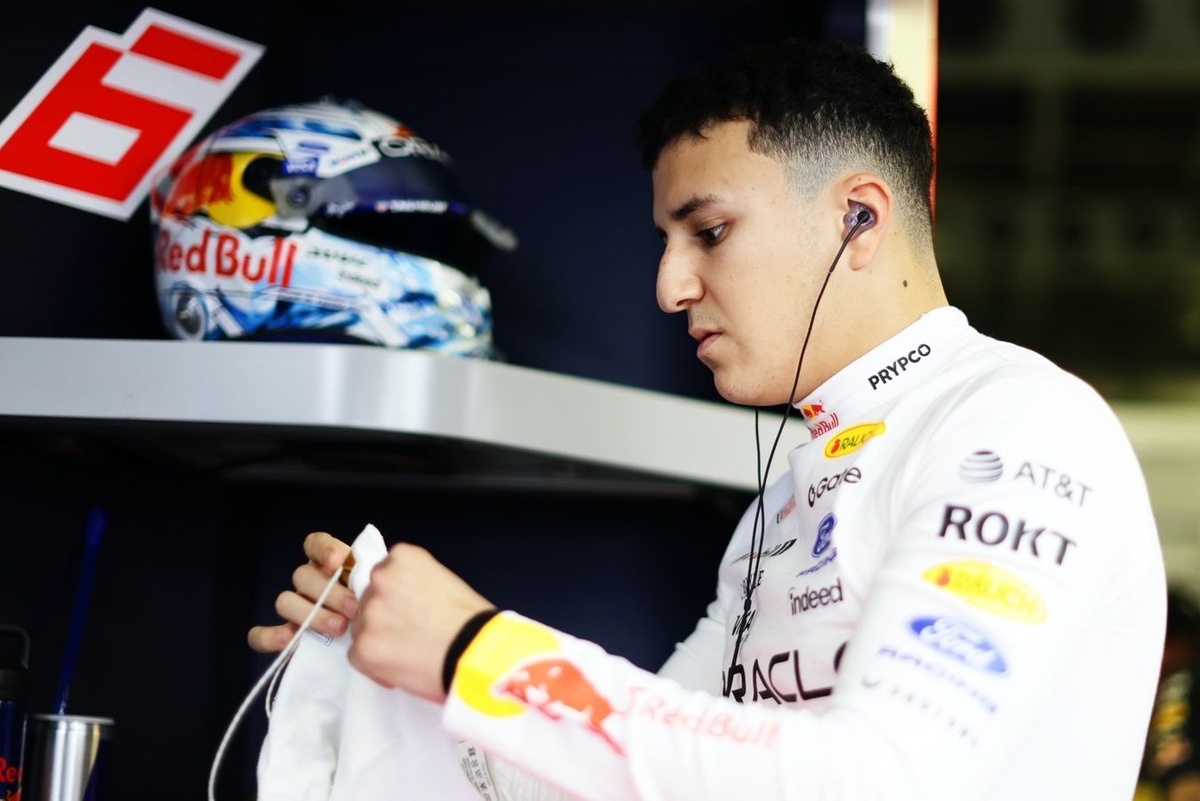
How Isack Hadjar sustained a wrist injury during the summer break of F1 2026
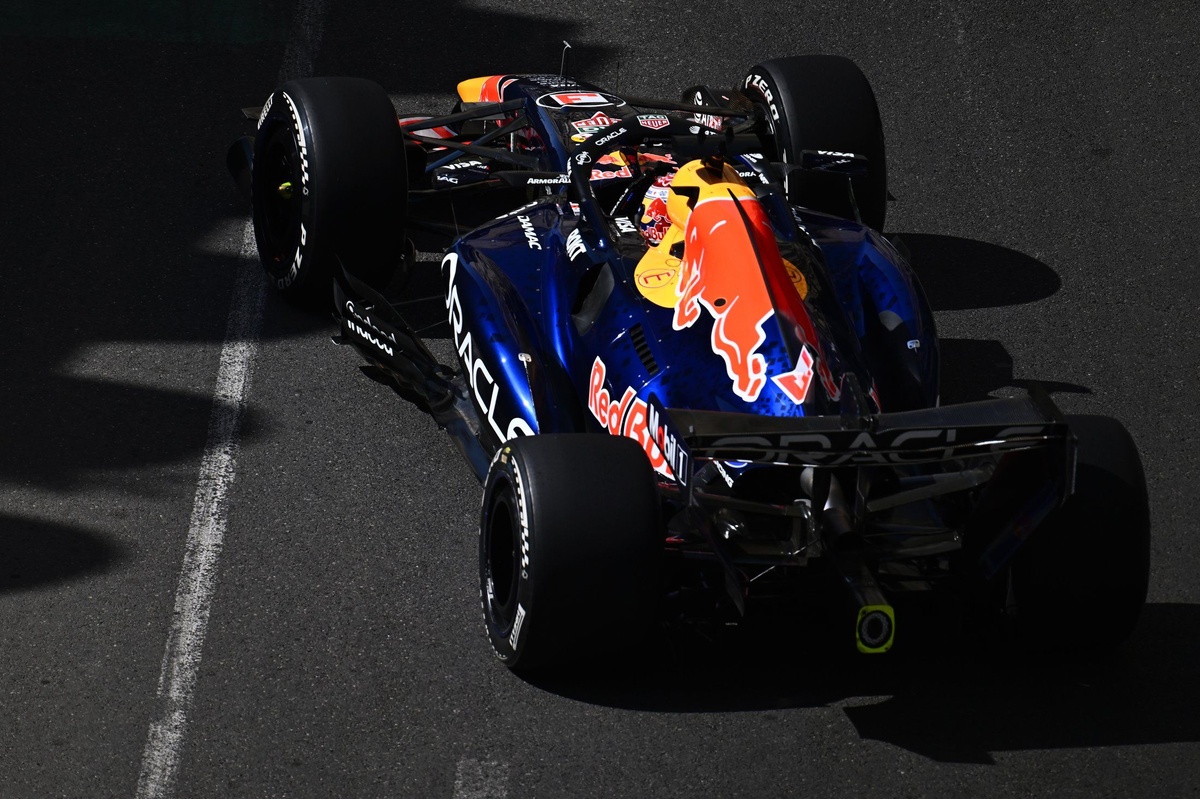
Did Baku truly represent Max Verstappen's greatest opportunity to secure victory in F1 2026?