Lassaad Chabbi discusses the topic of Raja and reviews the background of his departure and the stability crisis facing the team.
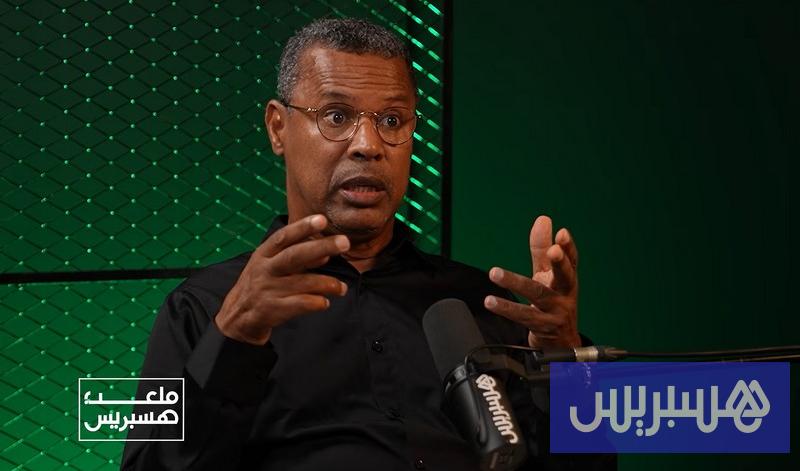
Tunisian coach Lassaad Chabi, former manager of Raja Casablanca, stated that administrative and technical instability are key factors behind the fluctuating results of the "Green Team" in recent years. He criticized the frequent changes in coaches and officials, emphasizing that building a competitive team capable of winning titles requires consistency, patience, and clarity of roles within the club.
In an extensive interview on the "Hespress Stadium" program, Chabi confirmed that Raja has a massive fan base that only awaits victories and trophies. He explained that supporters do not evaluate the work of coaches and officials based on their names, but rather on what they achieve for the team.
He noted that the shift to a corporate structure has contributed positively in some aspects, particularly in the regular payment of salaries and bonuses; however, he believes it is not enough to restore the sporting stability the club needs.
The Tunisian coach added that Raja has experienced frequent changes in its coaching staff in recent years.
He pointed out that since his first departure from the team, approximately 15 coaches have taken charge, according to his estimation; he considered this a sign of the lack of continuity required for players to understand the coach's ideas and work within a clear system.
Sporting Director
Chabi criticized some clubs' understanding of the role of the sporting director, indicating that this position should be entrusted to someone with football experience and the necessary technical knowledge to identify the team's needs and coordinate with the coach regarding signings, rather than interfering in tactical choices or evaluating the coach's work without having coaching experience.
He clarified that the sporting director's role primarily involves contributing to the selection of the coach, consulting with him about the characteristics of the players needed by the team, and searching for elements that fit the playing style, stressing that the coach is best positioned to determine the technical requirements of the group he oversees.
Chabi affirmed that the sporting director should not unilaterally decide to dismiss the coach or judge his performance, emphasizing that decisions regarding the future of the coaching staff should be made through consultation between the club president, management, the sporting director, and other relevant officials.
He referenced examples from European football to illustrate his point, arguing that changing the coach should depend on a comprehensive assessment of results, discipline, tactical performance, and how well the group aligns with the adopted style, rather than personal disagreements or differing opinions regarding playing style.
In this context, he criticized some officials for relying on ready-made concepts without considering the specifics of local football and the culture of the players, stressing that managing Moroccan and Tunisian clubs requires an understanding of the sporting reality, along with the competence and experience necessary to hold the position of sporting director.
Stability Crisis
Chabi pointed out that frequent changes in coaches negatively affect both the team and the players, explaining that the group needs time to understand the playing style and adapt to the technical and tactical requirements of each new coach.
The Tunisian coach cited the example of a student who constantly changes teachers, noting that a player exposed to different training ideas every few months struggles to achieve the stability needed to improve his level, which he believes reflects on the team's performance and results.
The guest on "Hespress Stadium" continued by stating that Raja needs a clear sporting vision that transcends the changes that may accompany the transition of presidency from one person to another, asserting that continuity does not mean retaining the coach regardless of results, but rather subjecting work to objective evaluation before making a decision to change.
He emphasized that clubs must distinguish between a temporary decline in results and real issues related to discipline, tactical performance, or the coach's inability to convey his ideas to the players, calling for discussions on these aspects before making decisions that could return the team to square one.
Behind the Departure
Regarding his departure from Raja Casablanca despite winning two significant titles, the CAF Confederation Cup and the Mohammed VI Champions Cup, Chabi stated that changes in management often come with changes in technical choices, noting that each new administration may have its own vision regarding the coach it wants to work with.
He explained that his first experience with the team ended after a new administration arrived with its own preferences, adding that this happened again during his second stint when the management changed and a different approach was adopted regarding the coaching staff.
Chabi confirmed that the decision to change the coach remains within the management's authority; however, he stressed that it should be based on an objective evaluation of sporting performance and the circumstances in which the coach worked, rather than a hasty decision that does not take into account what was achieved during the previous period.
He highlighted the two achievements he accomplished with Raja, considering them significant milestones during a challenging period for the club. He also noted that the team managed to maintain its competitiveness during the same period, despite interest from other clubs in some of its players.
In discussing his dismissal during his second tenure, the Tunisian coach objected to reducing the evaluation of his work to the result of a match against FAR Rabat, reminding of Raja's trajectory during that phase, including finishing the national league in second place, according to his account.
He pointed out that evaluating the coach should take into account the team's level, the available human resources, and the commitments it faces in various competitions, asserting that hasty decisions could deprive clubs of benefiting from the work initiated by the coaching staff.
Raja's Assessment
In assessing the current situation of Raja Casablanca, Chabi stated that the team is going through a phase that requires patience and the restoration of harmony among the players, especially in light of the changes in its personnel and coaching staff.
He added that the Raja fans are eager to see a team competing for titles; however, achieving this goal requires providing the right conditions for work and giving the coach and players enough time to build a cohesive group.
He stressed that the Green Team cannot regain its status merely by changing names; rather, it needs a clear sporting project that defines its objectives and ensures stability in technical choices, while retaining the management's right to intervene when objective indicators of work failure arise.
Regarding the recent summer signings, Chabi refrained from making an early judgment on the players who joined the team, noting that evaluating transfers after just three matches does not provide sufficient data to determine their success, especially since new players need time to adapt to the group and playing style.
Fans and Pressure
Chabi spoke about his relationship with Raja fans, affirming that he understands the level of expectations associated with the club, as he considers the culture of titles an essential part of its sporting identity.
The guest on "Hespress Stadium" pointed out that fans want to return home after matches feeling happy due to their team's victory, explaining that supporters care less about the names of coaches and officials than they do about results and trophies.
On the other hand, the Tunisian coach acknowledged the difficulty of asking Raja fans for patience amid declining results; however, he stressed that restoring the team's level requires providing the necessary stability, so players can work in an environment that helps them improve their performance.
He also addressed the impact of social media on discussions surrounding coaches, mentioning the calls for his departure that circulated during his time with Raja, and affirming that he prefers to stick to his professional convictions and not allow digital pressures to influence his technical decisions.
Coaching Philosophy
Regarding his vision of football, Chabi clarified that he does not adhere to a single tactical plan regardless of the team's identity and available resources; instead, he works to choose a system that fits the characteristics of the players at his disposal.
He cited his experience with Raja to illustrate how some tactical choices can change based on available resources, noting that the coach should strive to achieve a balance between the demands of attacking play and the ability to secure defense, without allowing the plan to become a constraint that prevents him from utilizing the players' talents.
The coach himself affirmed that discipline is a fundamental element of his work, considering that achieving victories is inseparable from commitment to instructions and teamwork, and that a good relationship between the coach and players does not mean abandoning the necessary rigor within the team.
He added that his experiences in various clubs taught him the importance of adapting to the circumstances surrounding each group while maintaining the goal of presenting modern football capable of achieving results.
Diverse Journey
During the interview, Chabi reviewed milestones from his career, which transitioned from playing football in Tunisia to a professional experience in Austria, before entering the coaching field and working in several European, Asian, and Arab leagues.
He explained that he played in the youth categories at Espérance Tunis before moving to Club Africain, then had an experience in Austria at the ages of 24 and 25, where he progressed through his coaching career across different divisions, culminating in working in the Austrian Bundesliga.
He also spoke about a brief experience in Thailand before returning to Tunisia to coach US Monastir, with whom he won the Tunisian Cup, a title he described as significant in the club's history, considering his previous journey between the first and second divisions.
He noted that his experience with US Monastir was one of the stages that helped enhance his coaching reputation, especially after the results the team achieved, before receiving an offer from Raja Casablanca, which he chose to coach after the two teams faced each other in continental competition.
The Tunisian coach also discussed his recent experience with Al-Khalidiya in Bahrain, which he described as successful, having led the team in about 15 matches, achieving 13 victories against two defeats, and winning the Bahraini Super Cup, in addition to qualifying for Asian competition.
Chabi concluded his remarks by emphasizing the importance of continuity in sports work, stressing that building teams cannot be achieved through changing coaches or players, but requires a clear vision and integration of roles between management, coaching staff, and the group, ensuring the club's stability and its ability to compete.
More from this section
Rabi: "The Lionesses" battled against an experienced opponent.
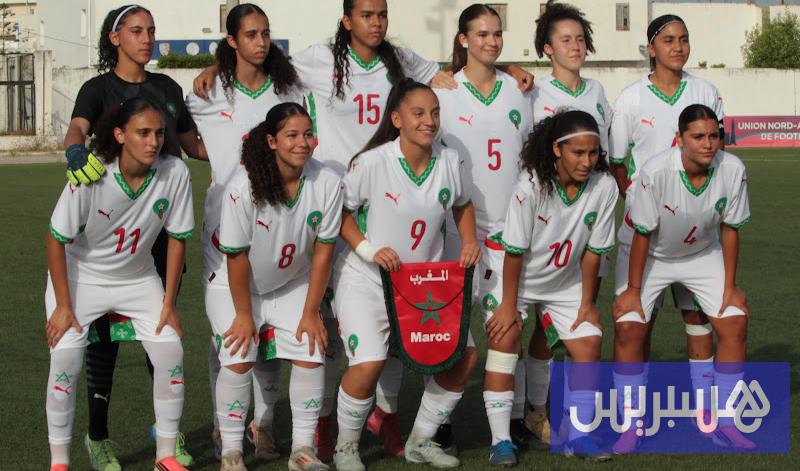
The U-17 Lionesses suffer a 4-0 defeat against Germany in the World Cup.
Sergio bids farewell to Wydad players as Nabi nears joining.

Rabat to host Women's World Cup playoff.
Oufkir wins the silver medal at the World Karate Championship.