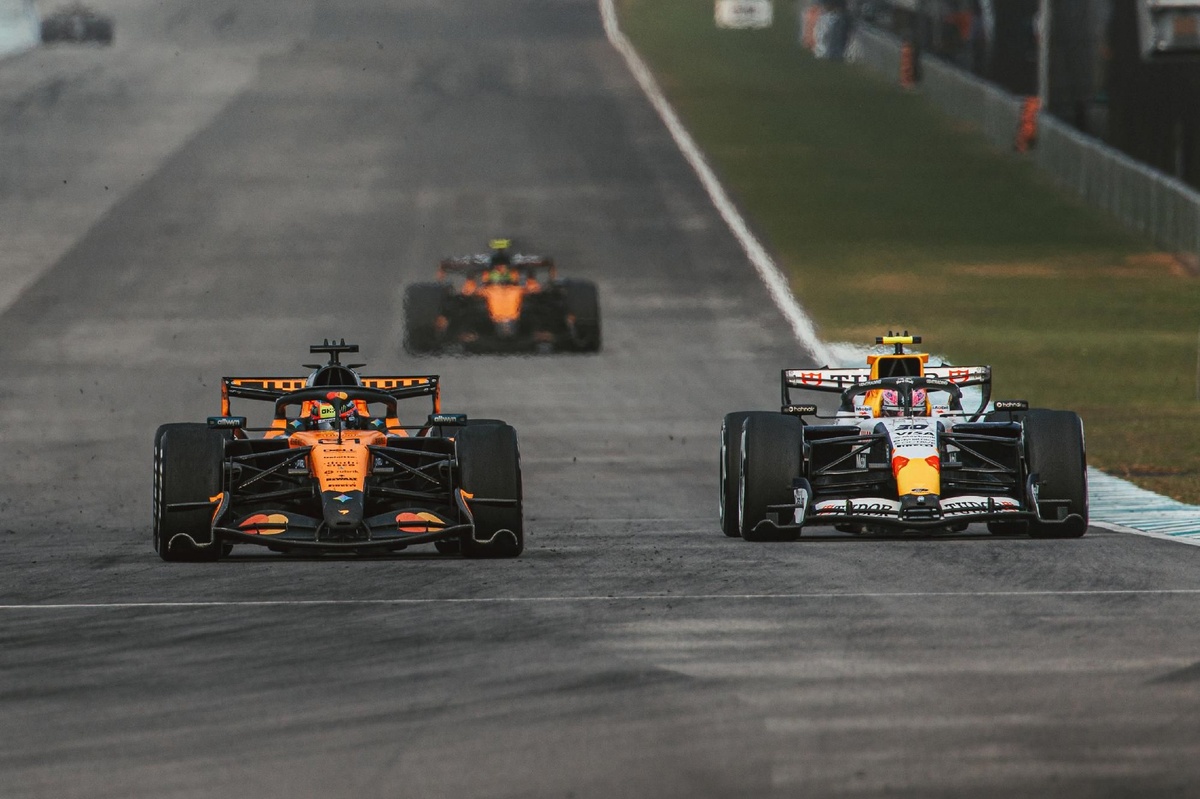
Max Verstappen supports the implementation of an IndyCar-style overtaking system for Formula 1.
The 2026 Formula 1 regulations were intended to signal the dawn of a new age of eco-friendly, super-efficient racing, featuring a significant 50/50 power distribution between the internal combustion engine and the electric battery. However, if you consult the grid's most formidable competitor, the championship appears to be going in precisely the wrong direction.
During a much-anticipated appearance on the P1 with Matt & Tommy podcast, Max Verstappen was posed a straightforward question: if he could alter one rule in Formula 1, what would it be?
Without hesitation, the four-time World Champion provided an answer that will resonate with motorsport enthusiasts globally: eliminate the bulky, complex V6 turbo hybrids and reintroduce the naturally aspirated V8s.
Verstappen: "It resolves so many issues"
Formula 1 hasn't experienced the thunderous roar of a V8 engine since the conclusion of the 2013 season, just prior to the start of the contentious hybrid era. Since that time, the cars have become significantly heavier and heavily dependent on battery management.
When asked about his preferred rule modification, Verstappen swiftly focused on the power unit.
"Right now, switch the engine back to a V8," Verstappen stated candidly.
For Verstappen, the revival of V8s isn't merely about a longing for louder engines; it represents a crucial solution to the current generation's weight and drivability challenges.
"It resolves so many issues," he elaborated. "A proper V8 is far superior for every single scenario; it's lighter and much more enjoyable to race with."
Abolishing DRS for "push to pass"
Perhaps the most striking aspect of Verstappen's V8 vision is his proposal for contemporary overtaking. Since 2011, Formula 1 has depended on the Drag Reduction System—a rear-wing flap that minimizes drag—to facilitate overtakes on the straights.
Verstappen contends that a lighter V8 vehicle, combined with a small, IndyCar-like electrical boost, could ultimately render DRS obsolete.
"And if you just need a tiny battery for a push to pass, then we also won’t require DRS anymore, that’s perfectly fine," Verstappen suggested.
He clarified that a manual "push to pass" system allows drivers to execute bold maneuvers under braking, rather than simply gliding past a competitor halfway down a straight due to an opened flap.
Max Verstappen, Red Bull Racing
"That is powerful enough to create an overtake, but at the end of the straight, you need to make a move," he observed, adding that sometimes DRS is "excessively powerful in certain areas."
While F1 is aiming for a return to V8 powertrains by 2030, Verstappen's ideal configuration remains delightfully traditional.
"In my perfect world, V8, V10, but I suppose it will be mainly V8 nowadays; that would be fantastic. A lot more enjoyable to drive," Verstappen concluded. "And then if you incorporate a small battery for a push to pass concept, then I think that’s acceptable."
More from this section
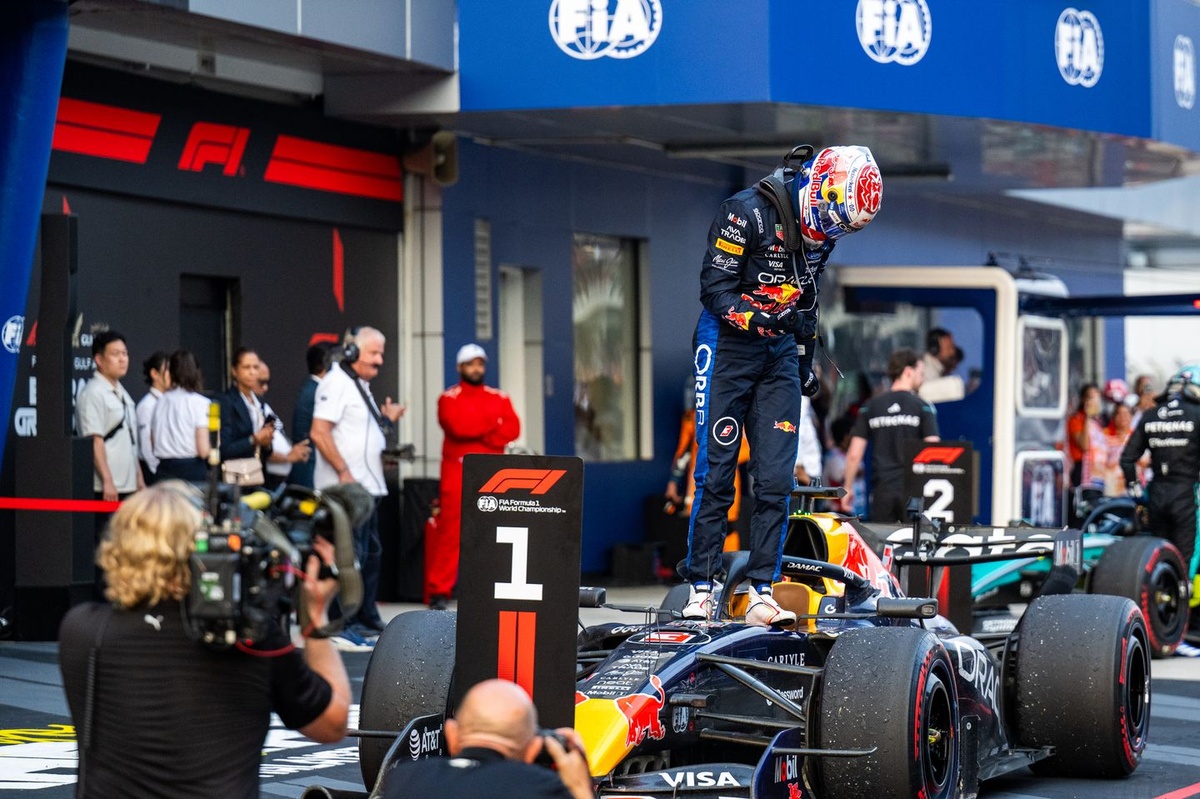
Red Bull is navigating ADUO limitations but continues to advocate for adjustments ahead of F1 2027.
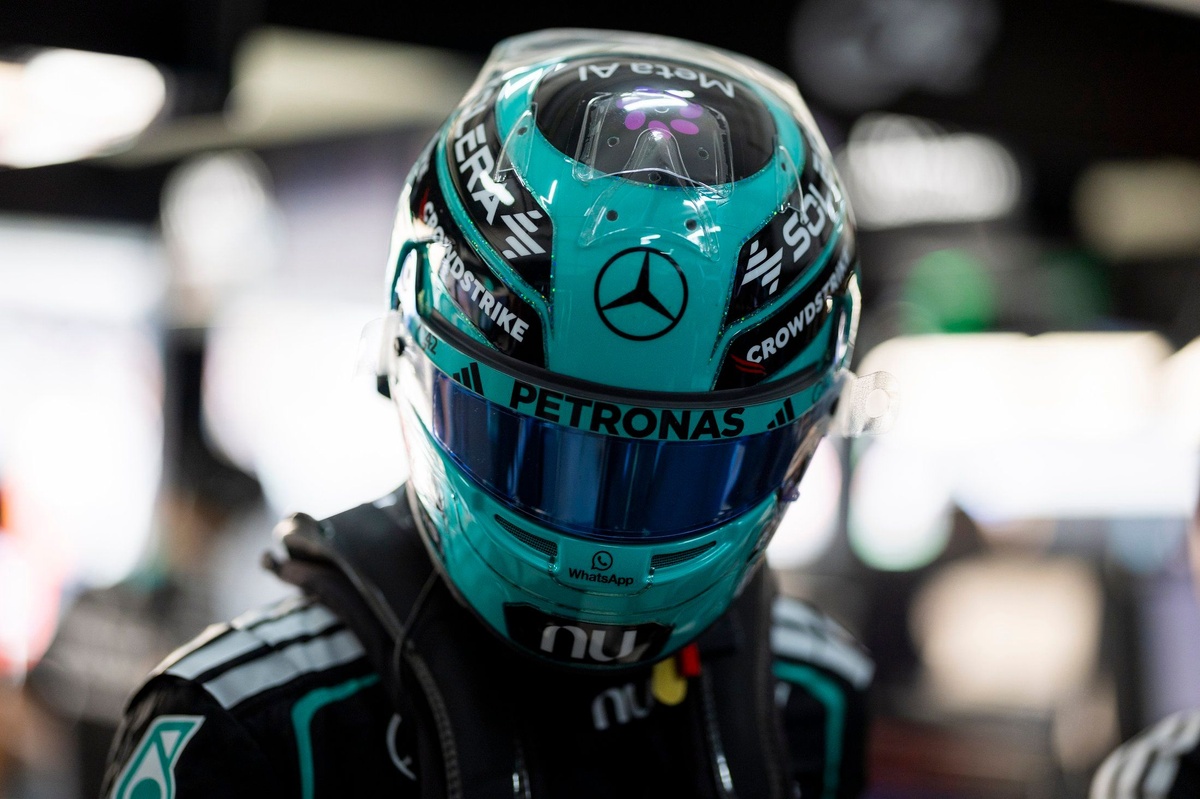
George Russell poised for grid penalty at the F1 Singapore Grand Prix following his retirement in Sepang.
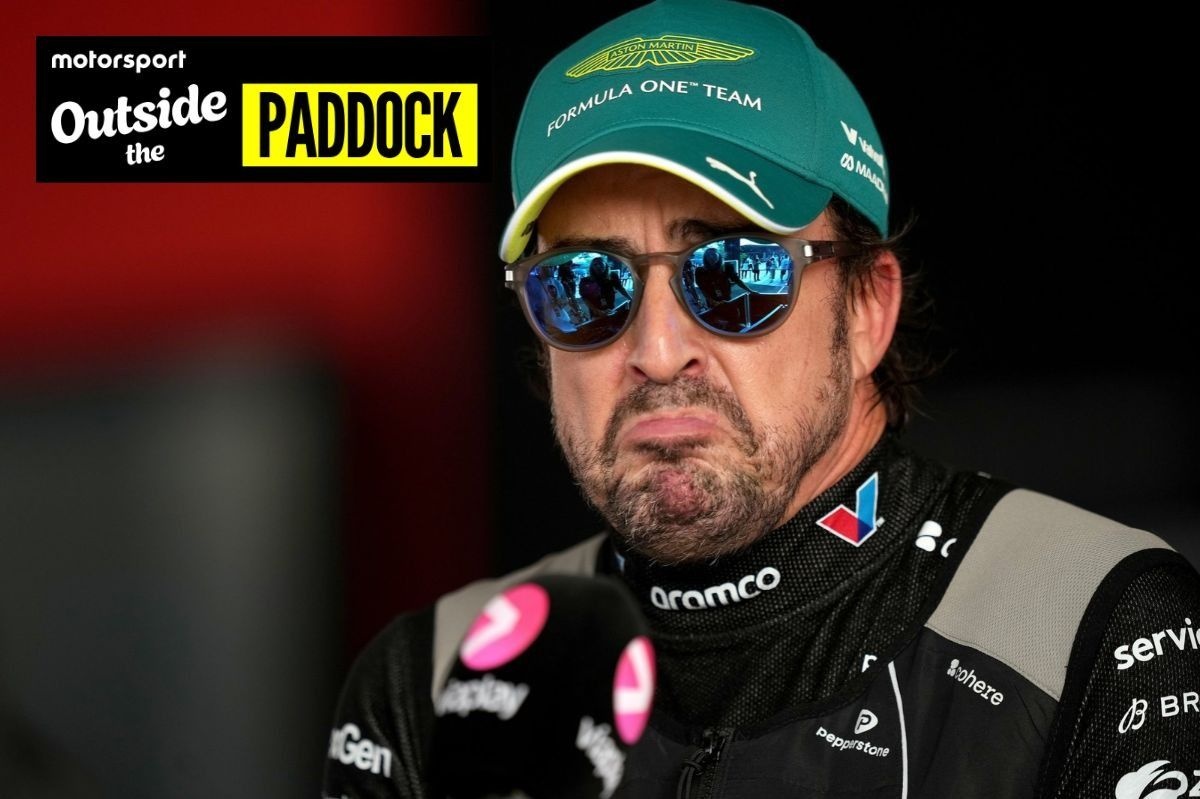
Fernando Alonso designs his ideal F1 track, but Sergio Perez identifies a significant issue.
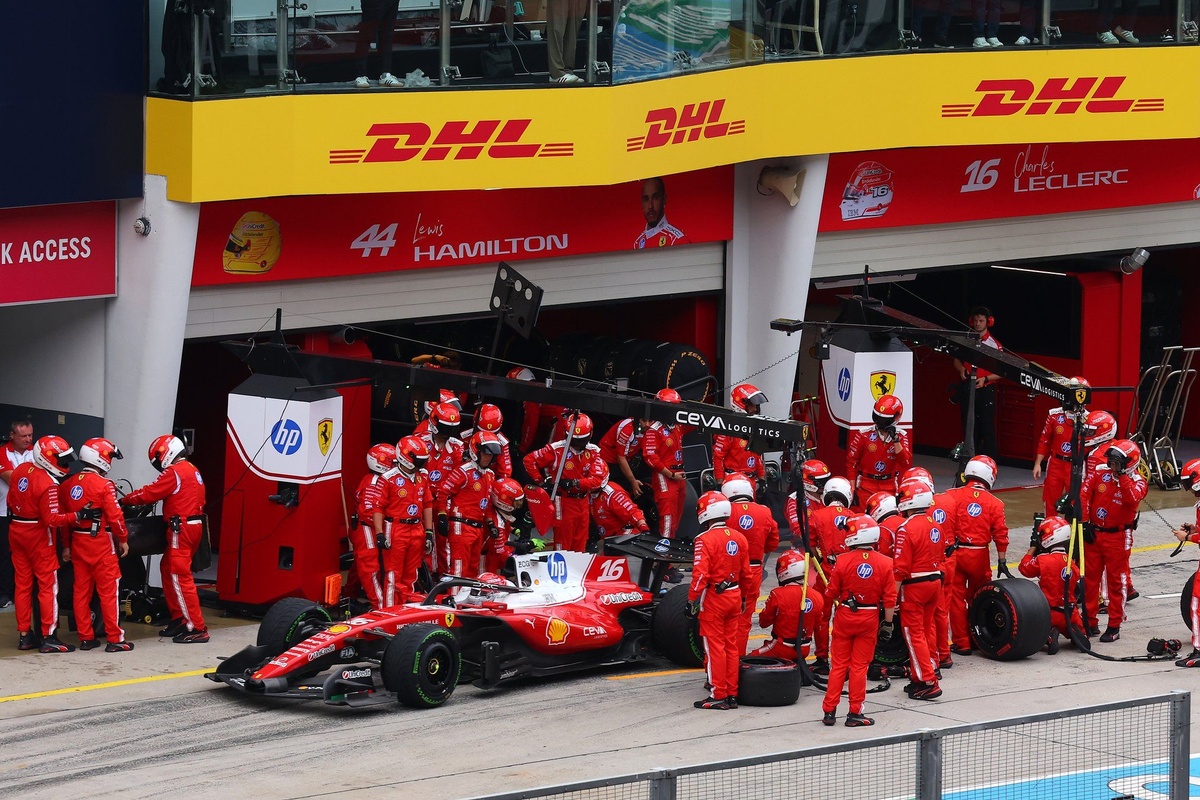
Charles Leclerc: Ferrari needs to take cues from Red Bull to enhance its F1 race tactics
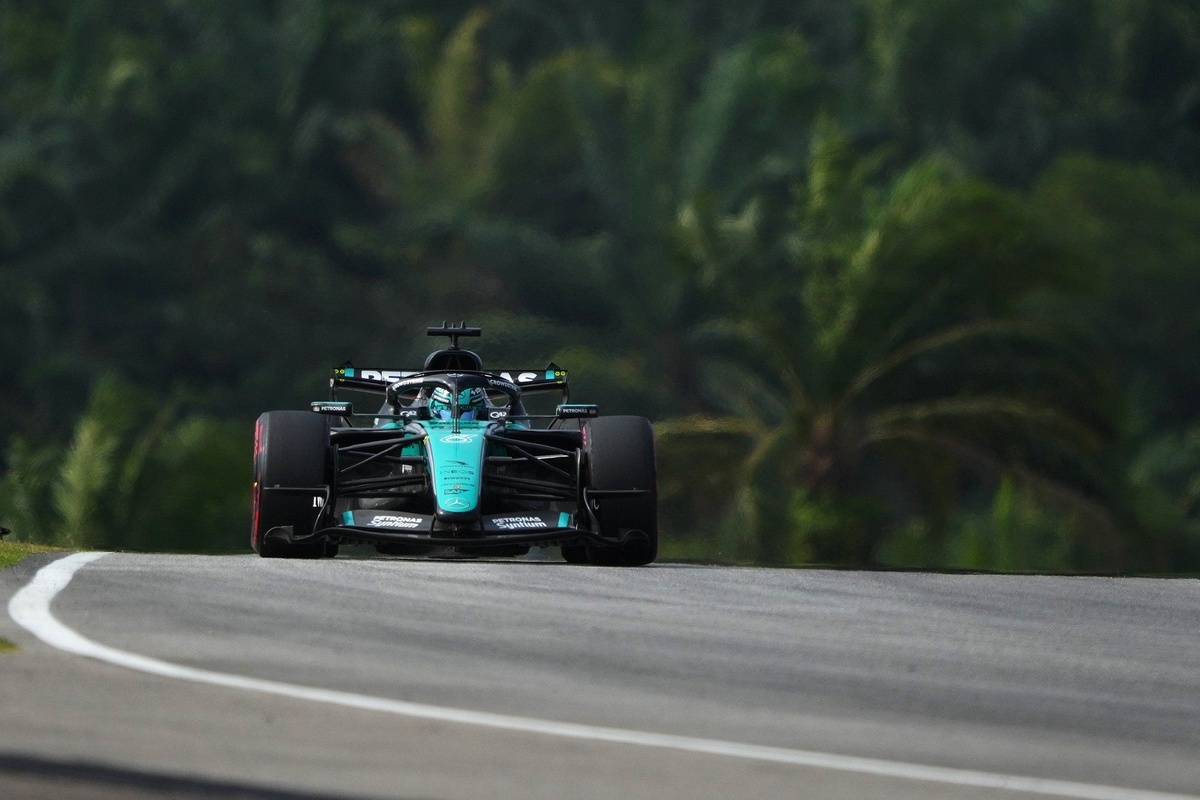
The factors influencing Mercedes' challenging Bahrain GP weekend