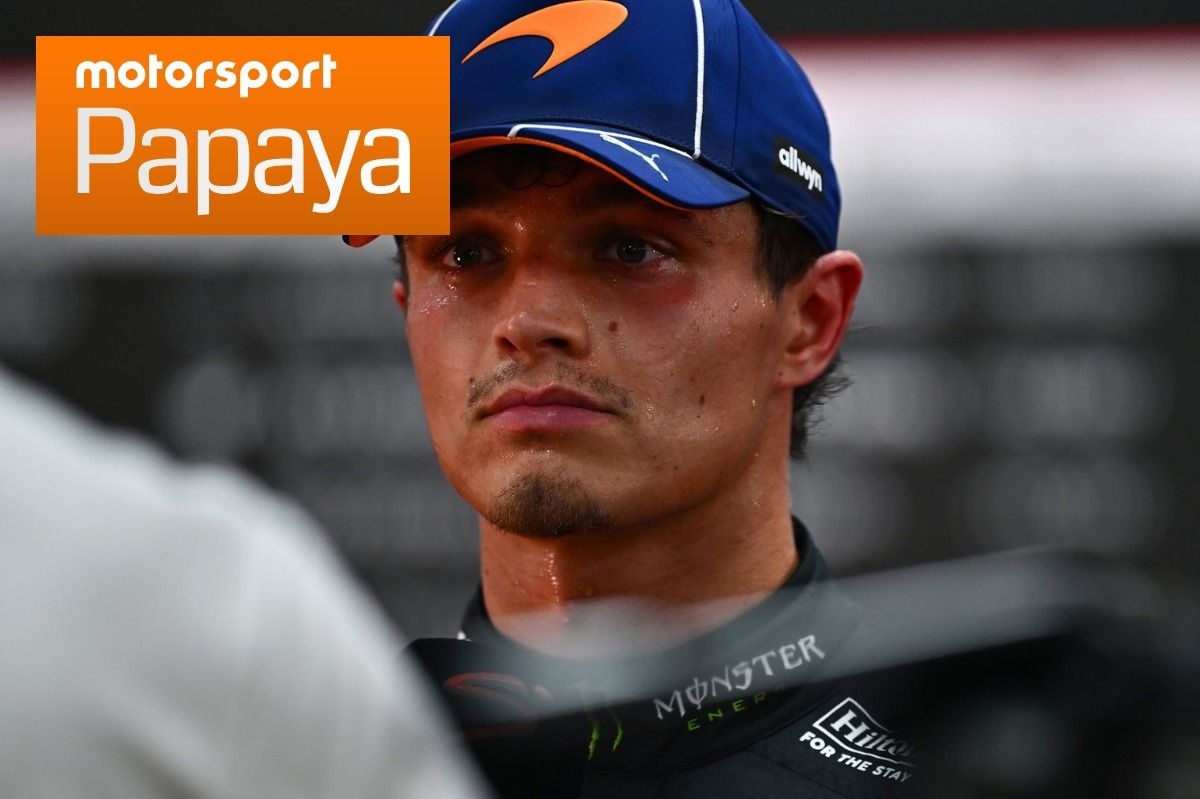
Max Verstappen requires "a discussion" with Red Bull's engine team following "unexpected" engine braking problems.
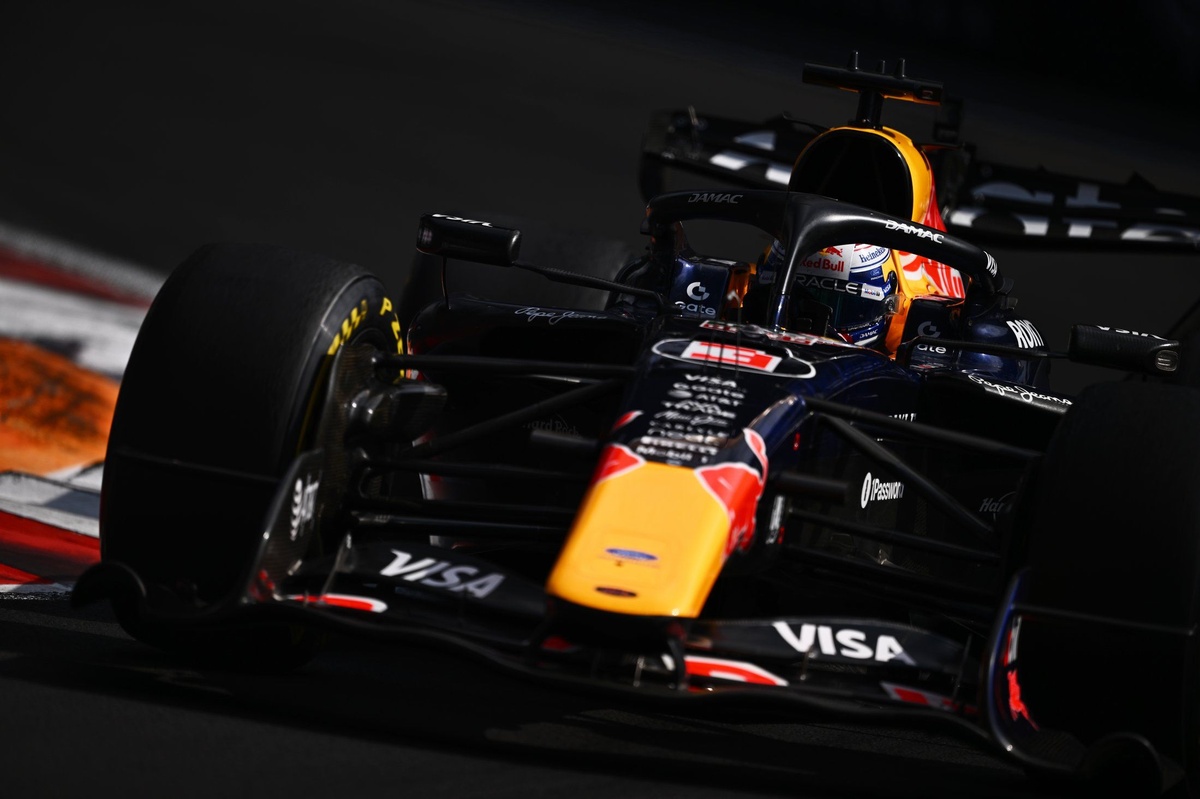
As the race weekend approached at the Autodromo Hermanos Rodriguez – the highest circuit on the Formula 1 calendar at 2,286 metres above sea level – the main topic of conversation in the paddock centered around one issue: the challenges Mexico City would present for the 2026 power units.
Several manufacturers expressed concerns over significant turbo lag, particularly since the MGU-H is no longer available to assist the turbo. The reduced air density also raised an important question about overall performance. At high altitudes, there are fewer oxygen molecules per cubic meter, which means the turbo must exert more effort to supply the same amount of oxygen to the engine as it would at lower elevations.
Honda's chief engineer Shintaro Orihara had already mentioned on Thursday that if a manufacturer cannot produce adequate turbo boost at high altitude, it could affect the "engine operating condition," essentially the maximum power the internal combustion engine can generate.
While this was an unknown for all manufacturers under F1’s revised regulations, Red Bull Ford Powertrains, as one of the new entrants, was experiencing its first true test at high altitude.
According to team principal Laurent Mekies, the team managed to navigate this challenge exceptionally well, perhaps even unexpectedly so.
"You're correct in stating that Mexico represents a unique challenge. Power unit-wise, it has clearly performed effectively. So a huge shoutout and congratulations to the team," Mekies remarked after Motorsport.com inquired about the power unit obstacles in Mexico’s high altitude.
"On the chassis front, it has also functioned well, as there are numerous challenges related to chassis, such as car cooling, brake cooling, and more.
"We anticipated that whatever we encountered in Mexico would be a singular occurrence. We simply didn't know if we would gain a competitive advantage or face a disadvantage. Ultimately, we were in the right mix."
Max Verstappen, Red Bull Racing
Nonetheless, Max Verstappen believes there are numerous areas for enhancement with the DM01, Red Bull’s inaugural in-house constructed power unit. One such area is engine braking. In Austin, this had already caused the four-time world champion to feel inconsistent behind the wheel, and in Mexico, Verstappen again voiced his concerns over the team radio.
"It occurs unpredictably," the Dutch driver explained later in the post-race press conference.
"The engine seems to decide on its own what to do, to be honest, so I’m not sure. Perhaps I need to have a chat with the engine before the race. Maybe it needs to behave itself better," Verstappen joked.
"We don't know, sometimes it just happens. It's not very reliable. But I think everything is operating at such high temperatures here, including the turbocharger and everything else, so it's challenging to get everything just right."
Has Red Bull discovered a way to enhance its starts?
While consistency with engine braking remains a focus for improvement, one of the most encouraging aspects for Red Bull was that their starts in Mexico were surprisingly effective. Both Verstappen and Isack Hadjar had shared concerns about them after qualifying, especially due to the lengthy run to Turn 1, but in practice, the outcomes were much more favorable than anticipated.
Charles Leclerc, Ferrari, Lewis Hamilton, Ferrari, Max Verstappen, Red Bull Racing
Mekies noted that this demonstrates Red Bull is steadily advancing with its starts, although he is cautious not to get overly optimistic at this stage. The team principal is aware that more significant hardware modifications will still be necessary as they move into the next season.
"The reality is that we recognize we are not the benchmark. There is a significant amount of work being done in Milton Keynes to enhance the starts with our current equipment," Mekies stated when asked about the unexpectedly strong starts by Motorsport.com.
"And yes, you’ve witnessed some of this improvement, particularly under high-pressure situations today, as we faced several starts with that long stretch to Turn 1 where everything is heightened.
"There is intense pressure and scrutiny surrounding it, and I am incredibly proud of how they managed to deliver the best performance today.
"Does this mean we are now the standard? No. Does it imply that we will achieve a flawless start or replicate today’s performance in every race? No. However, it does indicate that we will persist in striving for improvement with what we have."
More from this section
Kimi Antonelli acknowledges that George Russell continues to possess one significant edge over him.
Ralf Schumacher claims that Lewis Hamilton is behaving like “Al Capone” during the controversy surrounding the Mexico City Grand Prix.
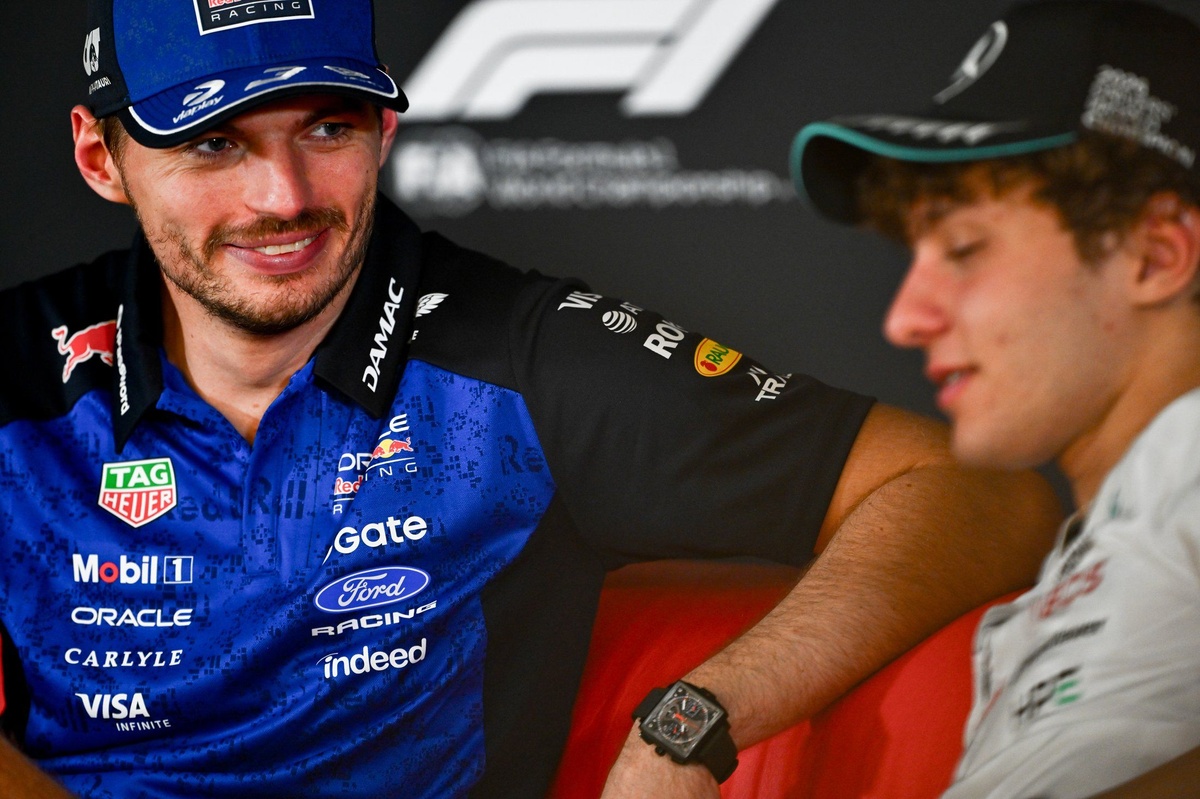
Max Verstappen humorously highlights the main distinction between himself and Kimi Antonelli at 20: “He converses in Italian!”
Kimi Antonelli will pay tribute to Ayrton Senna by wearing a special helmet during the Brazilian Grand Prix.
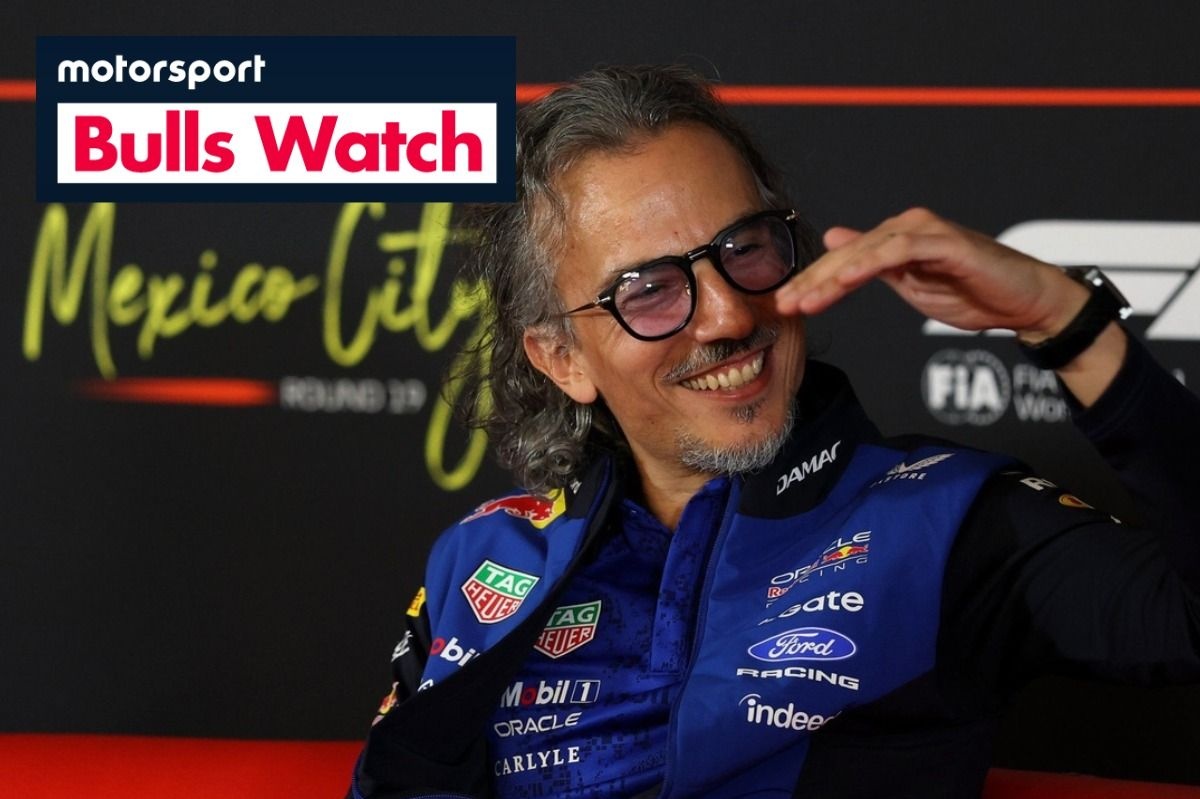
Laurent Mekies: Charles Leclerc’s penalty “seemed somewhat lenient”