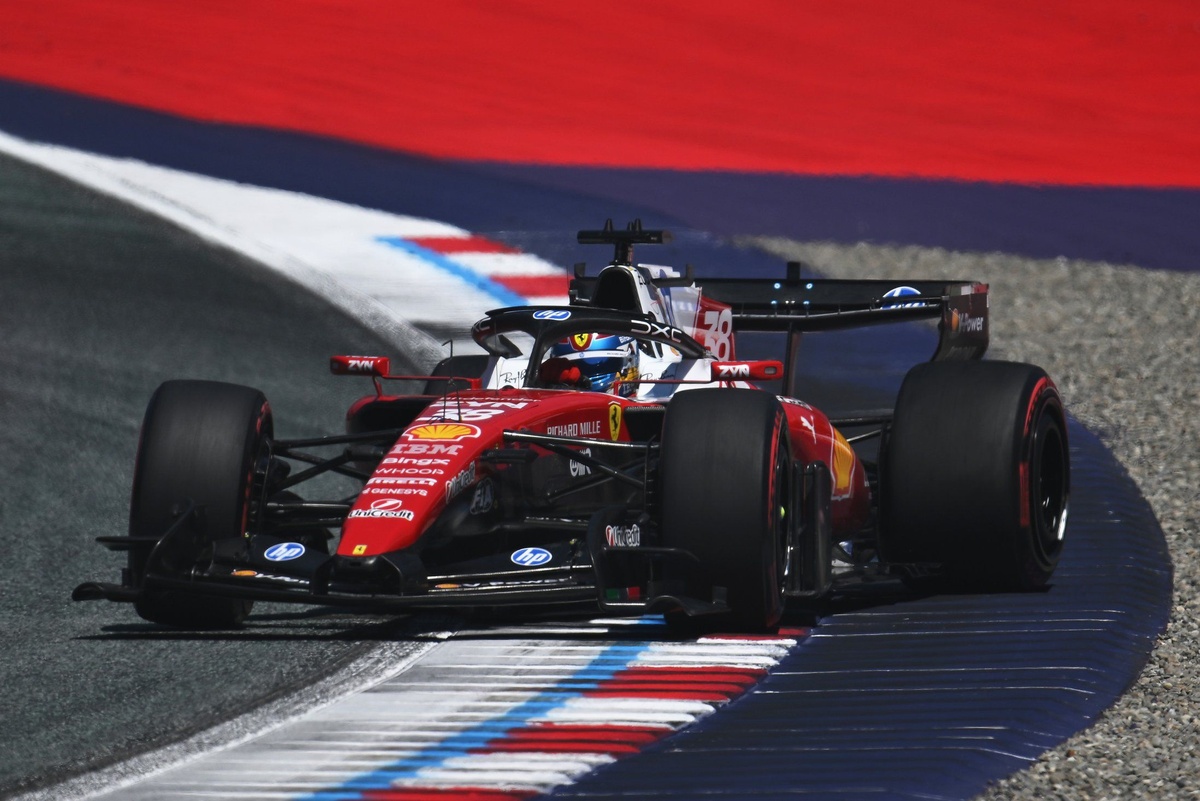
Mercedes chief acknowledges the team's confusion regarding unsuccessful 2026 F1 enhancements.
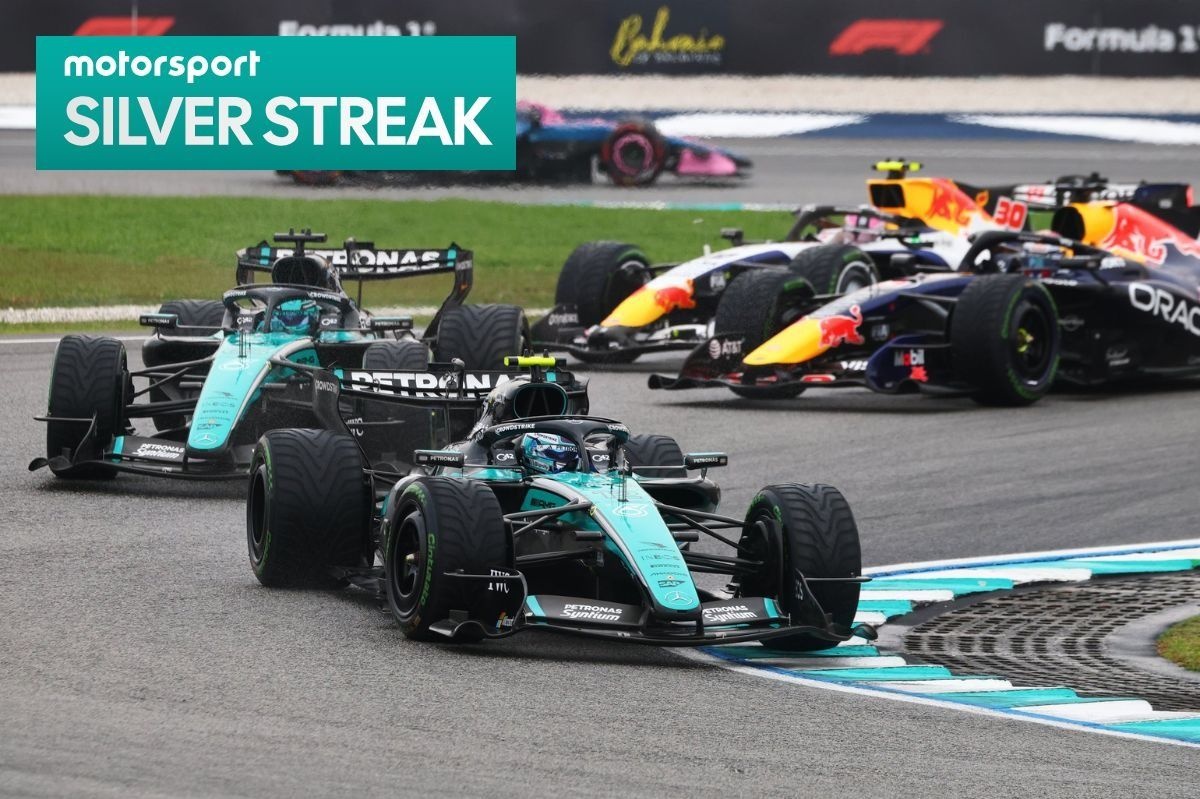
When Mercedes chose to implement a distinct garage setup for the Singapore Grand Prix Sprint weekend, their objective was straightforward: to collect ample side-by-side data to finally uncover the reasons behind the disappointing performance of their much-anticipated aerodynamic upgrade in Malaysia. Instead, this unconventional split-specification test has only deepened the team's confusion.
After Friday’s Sprint qualifying session at the Marina Bay Street Circuit, George Russell clinched a front-row position next to polesitter Max Verstappen, utilizing the older aerodynamic package. In contrast, his teammate Andrea Kimi Antonelli, who was running the new, ostensibly quicker upgrades, struggled significantly with car balance, qualifying in seventh.
A puzzling data point
For Andrew Shovlin, the trackside engineering director for the Mercedes AMG Petronas F1 Team, the stark contrast in performance between the older car and the substantial factory update poses a concerning threat to their 2026 championship aspirations.
"After a challenging weekend in Malaysia, we opted for a split specification for our cars here in Singapore," Shovlin shared with the press. "This track isn't the easiest for that, nor for the Sprint format, as it usually takes some time to fine-tune the car's setup."
George Russell, Mercedes
Despite Russell's notable speed on the front row, the Mercedes pitwall is not in a celebratory mood. The reality that the older car is outpacing the new model essentially indicates a significant flaw in the team's wind tunnel correlation.
"While we’re glad to see George on the front row, it does leave us with quite a bit of puzzling to do to figure out why the update isn’t delivering the performance boost we anticipated," Andrew Shovlin admitted.
Confidence under braking
While Russell was able to confidently extract maximum performance from the older, established specification, Antonelli struggled with the new aerodynamic package throughout the tight, unforgiving 90-degree turns of the Singapore street circuit.
"Neither car had optimal balance, though Kimi was lacking more confidence during the braking and entry phases, which is crucial for attacking a qualifying lap here," Shovlin commented on the championship leader's difficulties.
Andrea Kimi Antonelli, Mercedes
With strict parc fermé regulations limiting major mechanical changes before Saturday's Sprint race, the Mercedes engineers will need to depend on software adjustments and minor front-wing flap tweaks to attempt to recover the updated package's performance.
"We'll continue to investigate why this is happening," Shovlin remarked. "We have plenty of data at our disposal to make progress, and we hope to get Kimi's car in a more competitive state for the main qualifying tomorrow."
More from this section
Bernie Collins cautions about escalating trust concerns between Lewis Hamilton and Ferrari.
Franco Colapinto calls on supporters to cease the harassment: “Your actions aren't aiding me or my prospects.”
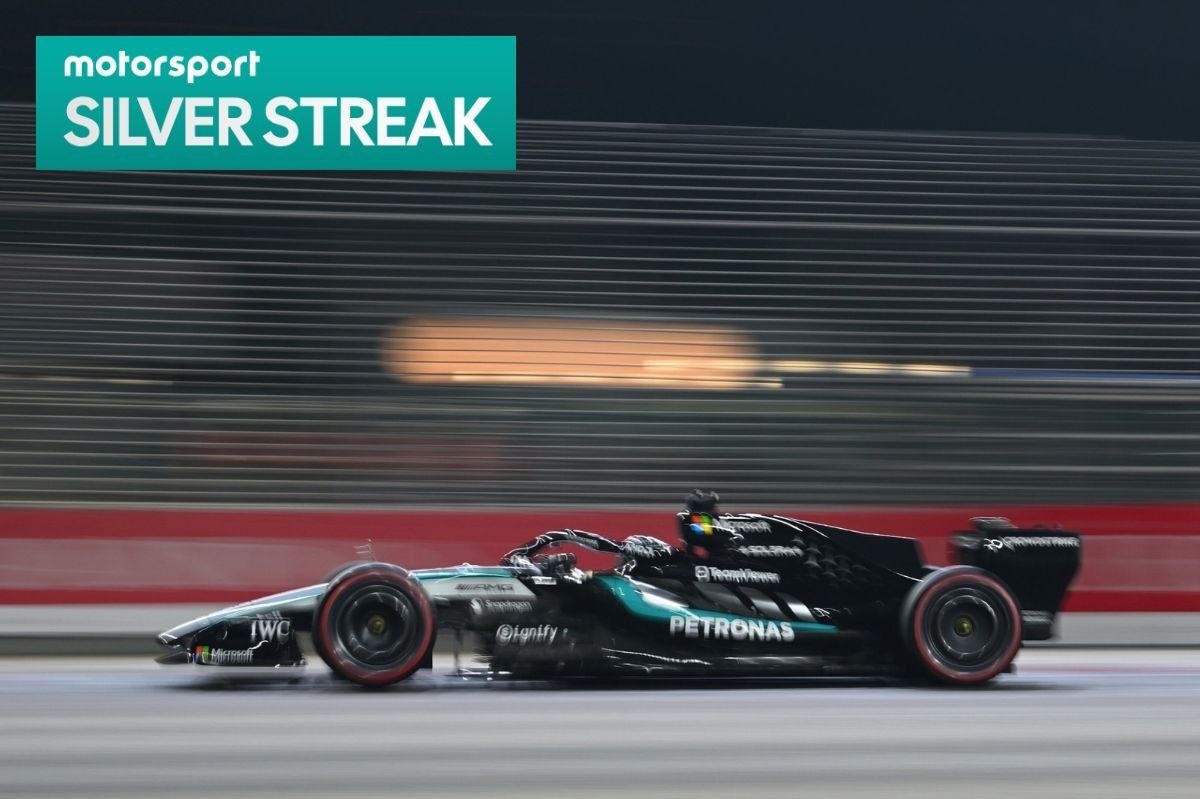
Karun Chandhok expresses worries regarding the performance of the Mercedes F1 upgrades.

An F1 enthusiast brings the upcoming grand prix track in Rwanda to life through the "Assetto Corsa" simulation.
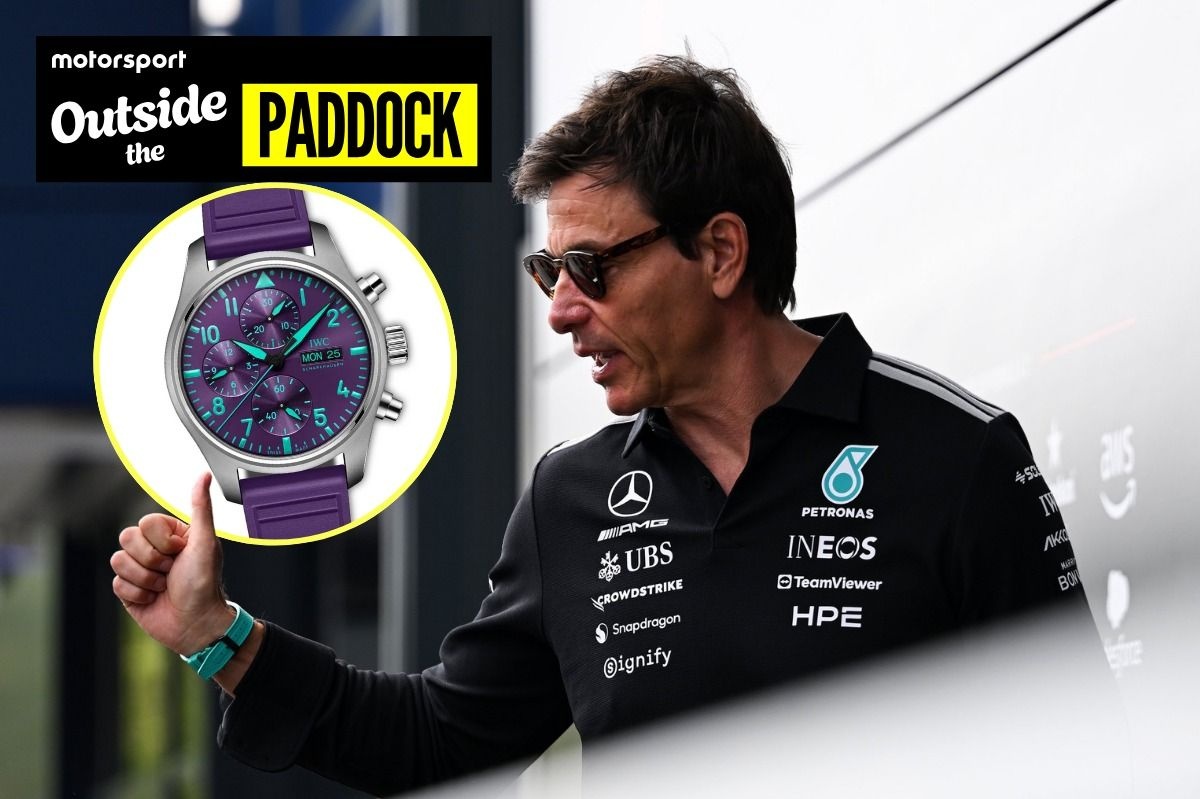
Why Toto Wolff donned two timepieces at the Singapore Grand Prix