Morocco showcases its vision for the World Cup in Buenos Aires and proposes Casablanca as the final venue.
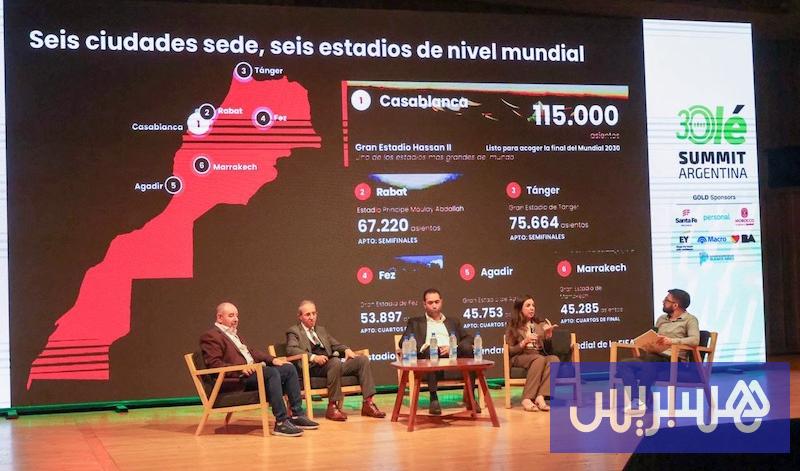
Morocco continues its efforts to prepare for hosting the 2030 World Cup, in collaboration with Spain and Portugal, by presenting a variety of components related to this global event, including sports infrastructure, transportation, tourism, and energy.
In this context, a Moroccan delegation representing the "Morocco 2030 Foundation" participated in the "Olé Summit 2026" held in Buenos Aires, Argentina, where part of Morocco's preparations for the World Cup was showcased, along with the nomination of Casablanca to host the final match.
The Argentine newspaper "Olé," which organized the football summit in Buenos Aires, reported that Morocco is relying on the ambitious project of the Grand Stade Hassan II in Benslimane, which is currently under construction and is expected to have a capacity of around 115,000 spectators, making it the largest in the world.
During the meeting, members of the Moroccan delegation expressed their hope to see the Argentine national team play the final match in Casablanca, echoing the sentiment with the phrase: "We dream of a final with Argentina in Casablanca."
For his part, Yasser Faris, Morocco's ambassador to Argentina, spoke about the growth of Moroccan football in recent years, thanks to royal policies in this area, noting that the kingdom aims to continue developing this trend and enhancing its presence on the African and international football stage.
The ambassador stated that the results achieved by Moroccan football in recent years reflect the progress of the system, considering that Morocco seeks to highlight the continent's potential for hosting major sporting events through organizing the World Cup.
In the same context, the diplomatic official predicted a significant presence of Argentine fans at the 2030 World Cup, indicating that the number of supporters coming to Morocco could exceed the figures recorded during the 2022 World Cup in Qatar.
Infrastructure and Transportation in the Preparations
During the summit held in Buenos Aires, the Moroccan delegation provided information about the projects related to hosting the World Cup, particularly in the areas of stadiums, airports, railways, energy, and tourism.
The Moroccan delegation explained that the kingdom has been developing several facilities over the past years that will contribute to welcoming fans and visitors during the tournament, highlighting stadiums, airports, high-speed trains, and investments related to green energy.
The geographical proximity between Morocco and Spain was also discussed, which is a distinctive feature of the 2030 World Cup, set to take place in three countries across two continents.
In this context, the Moroccan delegation pointed out that fans can benefit from the closeness of Moroccan and Spanish cities, providing an example of the possibility to watch a match in Tangier and then travel to Seville to attend another match on the same day.
Football Development Beyond the World Cup
The discussion was not limited to organizational preparations; it also addressed the development of Moroccan football and investments directed towards training and sports infrastructure.
Jihan Bejgo and Othman Badsi, representatives of the "Morocco 2030 Foundation," confirmed that the development of football is also linked to nearby academies, stadiums, and sports spaces within neighborhoods, as they serve as a fundamental base for discovering and nurturing talent.
The representatives of the "Morocco 2030 Foundation" also recalled the experience of Argentine coach Carlos Bilardo in Morocco during the 1970s while discussing the evolution of national football and the accumulation of related experiences.
Morocco hopes that hosting the 2030 World Cup will leave a lasting impact beyond the competition period, through the sports facilities and infrastructure that will remain in place to serve sports, tourism, and transportation after the tournament concludes.
Morocco's participation in the "Olé Summit 2026" is part of efforts to present a comprehensive picture of the kingdom's preparations for hosting the global event, at a time when Morocco's ambition to host the final match in Casablanca is evident, although this does not mean that the final distribution of matches in the tournament has been decided at this stage.
More from this section
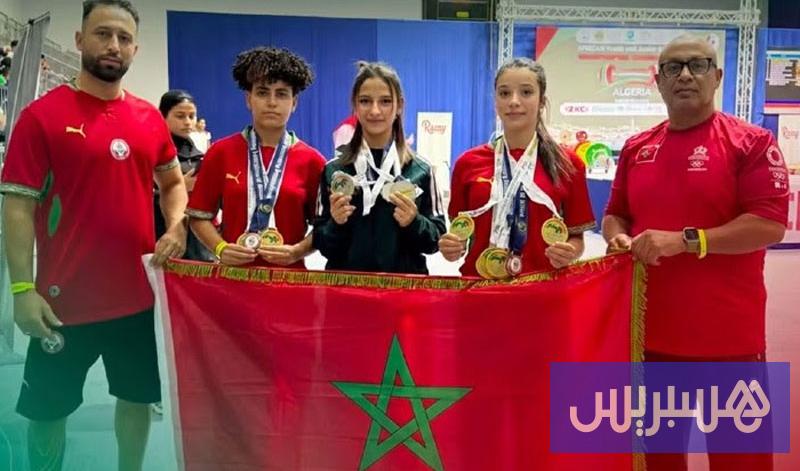
Morocco wins 78 medals in weightlifting.
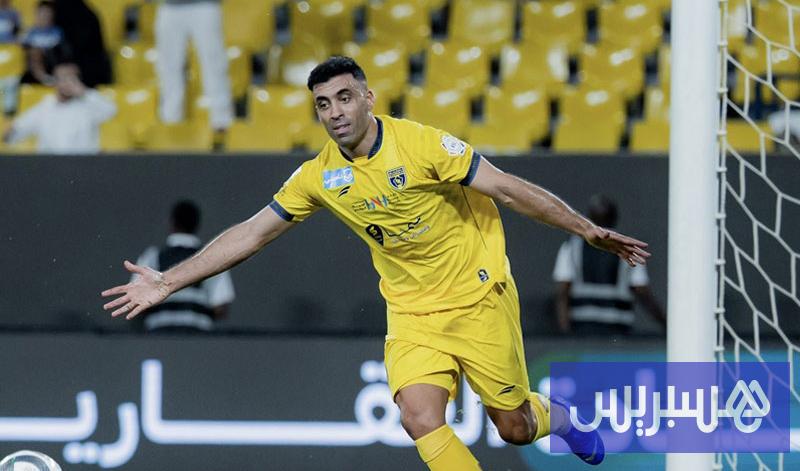
Hamdaallah achieves a historic milestone in the Saudi league
Al-Jadidi succeeds in scoring four times against "Mouloudia d'Alger."

Abde Ezzalzouli scores a goal against Barcelona
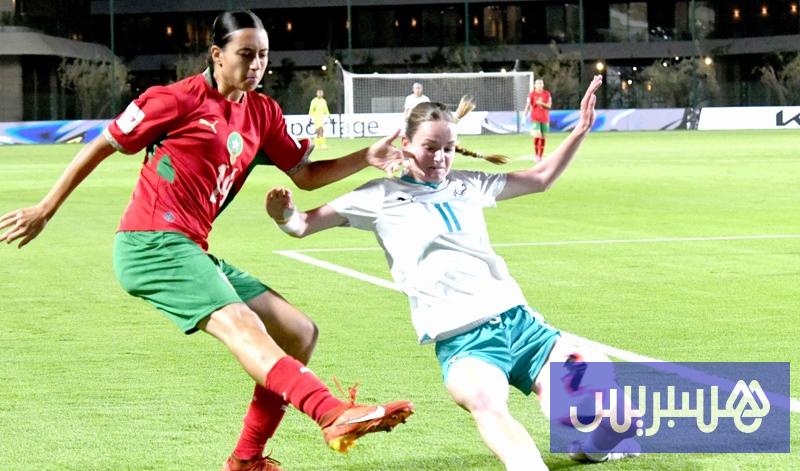
The Moroccan women's U17 national team starts the "World Cup" with a crushing victory over New Zealand.