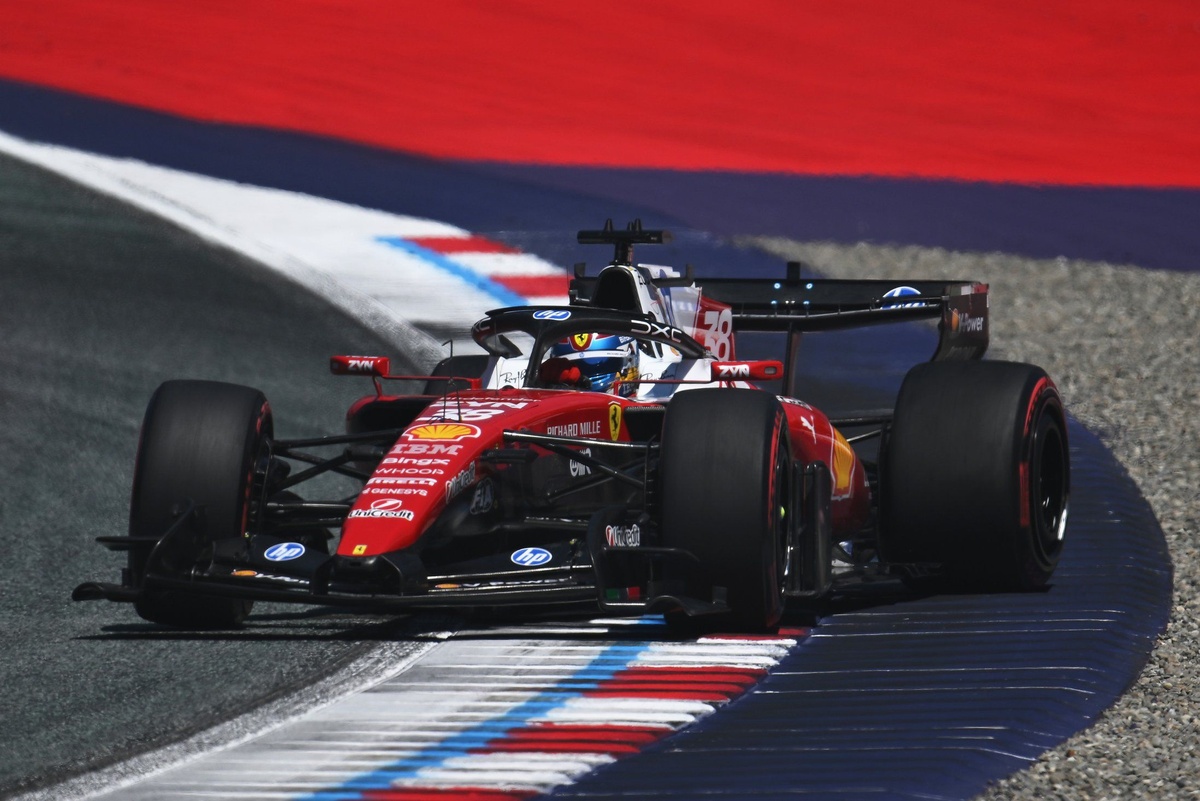
Toto Wolff criticizes the “red mist” F1 rule suggestion while cautioning about a significant talent shortage.
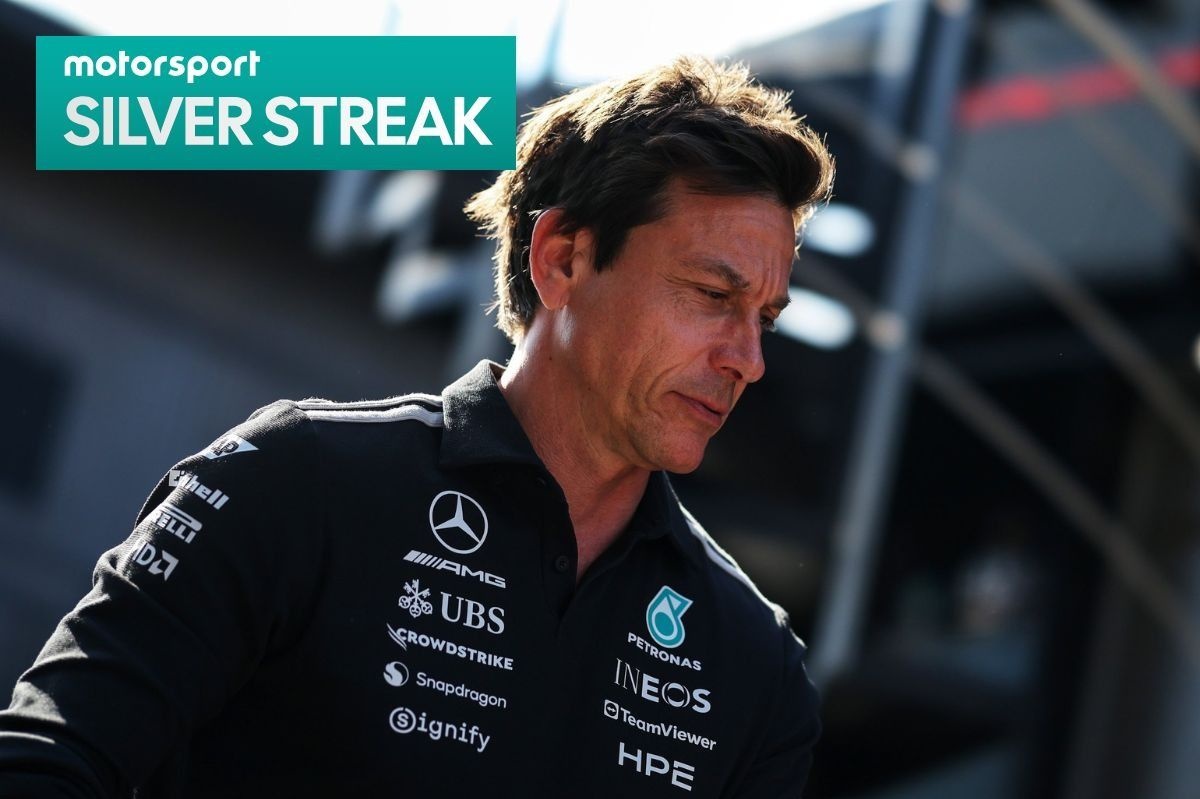
Williams team principal James Vowles has spent the past month vigorously advocating within the Formula 1 paddock for a significant revision of the sport's financial guidelines. He argues that the newly unified $215 million CapEx/OpEx budget cap has fostered a "two-tier championship," whereby the top four teams accumulate 83% of the points. Vowles is advocating for a variable allowance system based on championship standings.
This suggested framework would, in theory, enable lower-positioned teams to invest considerably more in upgrading their outdated factory facilities without breaching the operational limit.
Nonetheless, during Friday's official FIA press conference at the Singapore Grand Prix, the heads of the Mercedes-AMG Petronas F1 Team and McLaren firmly dismissed Vowles’s proposal.
The "red mist" of Balance of Performance
When directly asked if he endorsed a variable scale based on accumulated points, Toto Wolff promptly rejected the notion, likening it to the contentious Balance of Performance (BoP) metrics prevalent in endurance racing.
"Personally, I don't appreciate the idea of adjustments based on certain positions," Wolff remarked. "BoP, to me, resembles a red mist. We’re making these minute adjustments to aero time, ATR, which are nearly invisible to the audience and haven’t been significant because they're so minimal."
Toto Wolff, Mercedes, James Allison, Mercedes, Andrew Shovlin, Mercedes
Wolff commended the FIA for maintaining a stance against allowing politics to influence the current catch-up mechanisms, openly questioning the necessity of a rule that artificially boosts CapEx expenditure based on poor performance on the track.
"Do we genuinely want another mechanism that permits additional CapEx and OpEx based on your championship standing? I’m not convinced," Wolff pondered.
Losing talent to hedge funds
While Wolff is staunchly against the sliding scale for infrastructure, he did acknowledge that the existing cost cap is significantly harming Formula 1 in a different domain: human resources.
According to the Mercedes leader, the stringent budget cap is artificially limiting team salaries, leading to a rapid loss of top-tier engineering talent to far more lucrative sectors.
Andrea Kimi Antonelli, Mercedes
"You can bring someone into a Formula 1 team today fueled by enthusiasm, but eventually, after five, six, or seven years and obtaining a PhD, their salaries remain suppressed compared to a tech firm, hedge fund, or investment bank, and that becomes an issue," Wolff explained.
Instead of allowing teams to acquire extra front wings or factory equipment, Wolff advocates for a dedicated salary range within the cost cap to maintain the sport's appeal to elite university graduates.
The McLaren counter-argument
For McLaren CEO Zak Brown, the ultimate testament to the effectiveness of the current cost cap is parked right in his own garage. Brown highlighted that the grid's competitiveness has never been closer, noting that smaller teams can indeed succeed under the existing financial structure if they hire the right talent.
"I acknowledge we don't possess the largest infrastructure in Formula 1. I don’t believe we rank second or third either," Brown remarked. "We have a customer engine, all these factors that you hear over the years make it seem impossible to win a championship with, and yet we have. I attribute that to being an exceptionally well-performing team of individuals."
Zak Brown, McLaren
Toto Wolff quickly concurred with his competitor, noting that McLaren successfully overcame a substantial performance gap to secure championships without being backed by a large corporate entity with limitless resources.
"I recognize that James is burdened with the legacy of an old-school Formula 1 team with extensive machine shops and considerable production," Wolff concluded regarding the situation at Williams. "However, I don’t believe that the CapEx/OpEx will unleash significantly more potential, in my view, nor will an adjustment mechanism."
More from this section
Bernie Collins cautions about escalating trust concerns between Lewis Hamilton and Ferrari.
Franco Colapinto calls on supporters to cease the harassment: “Your actions aren't aiding me or my prospects.”
Karun Chandhok expresses worries regarding the performance of the Mercedes F1 upgrades.

An F1 enthusiast brings the upcoming grand prix track in Rwanda to life through the "Assetto Corsa" simulation.
Why Toto Wolff donned two timepieces at the Singapore Grand Prix