Why McLaren is unable to resolve its F1 car handling issues until 2027
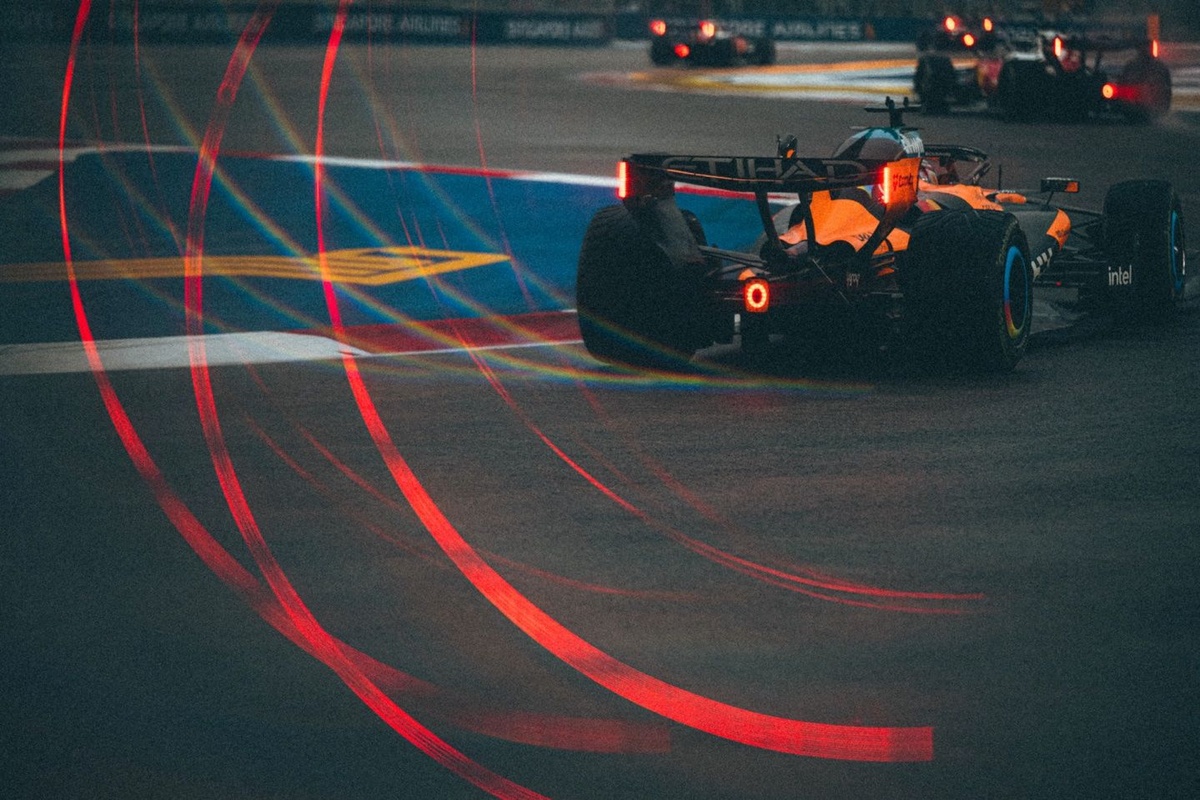
McLaren's team principal Andrea Stella has acknowledged that enhancing the handling attributes of its Formula 1 car is not feasible without major changes, which won't be achievable until 2027.
As every F1 driver has had to adjust their approach to the new generation of vehicles and engines to maximize performance—often employing unconventional techniques not previously used—McLaren has been grappling with a significant handling issue throughout the season.
While Lando Norris and Oscar Piastri have been working on modifying their driving styles to align with the V6 turbo hybrids, the ongoing car handling complications have hindered the team's overall advancement relative to its leading competitors.
This issue appears to have affected Piastri more acutely than his teammate due to their differing natural driving styles, and it is a dilemma the team cannot completely address until they can implement substantial technical modifications with a brand-new car in 2027.
Stella elaborated: “I don’t anticipate that the upcoming modifications will enhance this characteristic. We need something more fundamental than merely adding downforce to the car as is planned for the forthcoming races.
“We require fundamental changes to certain aspects, which we are addressing in the long term, with the earliest being the MCL41 for 2027.”
Oscar Piastri, McLaren
Following the Singapore Grand Prix, Norris elaborated on the topic, stating he needs to “force” his McLaren F1 car to perform as he desires rather than achieving a comfortable balance.
“The car is just on a knife edge at every corner,” Norris noted. “You must drive it within a precise margin, forcing the car in every possible way. You can’t let the car do any of the work. You can’t just rely on the front or rear; you have to apply pressure to both ends.
“The driving style demands immense concentration and skill. It's relentless and mentally exhausting due to the effort required behind the wheel.
“It’s excessively challenging, making it nearly impossible to string together laps during qualifying, which highlights how impressive our performance was when we secured pole positions and how fulfilling that was.
“Currently, we haven’t been fast enough; it’s just too arduous, and you can’t produce any magic because you’re simply not quick enough. You have to force the car, as it won’t perform autonomously. That’s not the performance you expect from a car at all.”
This driving “intensity” is a characteristic Stella believes has been present in McLaren’s F1 car all season, which Norris and Piastri have had to adjust to, and it’s something that has been more challenging for the Australian, whose natural approach is smoother and gentler.
Oscar Piastri, McLaren
“The requirement for substantial effort to achieve lap time, along with a level of intensity in driving inputs that is significantly higher than last year, is something that took the drivers some time to grasp,” he explained.
“This is also one reason why Oscar, at certain points, appeared to lose some competitiveness compared to Lando. We were discussing Oscar’s performance and I consistently indicated that it was a technical issue. Oscar needed to learn how to compel the car to perform certain actions and realize that driving quickly doesn’t always equate to driving smoothly, if that makes sense.
“That was a hallmark of Oscar’s speed in the past, where he exhibited a clean driving style and consistent data that showed he was repeatable and fast. With this car, those factors don’t seem to align frequently, resulting in a considerable workload for the drivers.”
More from this section
Franco Colapinto calls on supporters to cease the harassment: “Your actions aren't aiding me or my prospects.”
Karun Chandhok expresses worries regarding the performance of the Mercedes F1 upgrades.

An F1 enthusiast brings the upcoming grand prix track in Rwanda to life through the "Assetto Corsa" simulation.
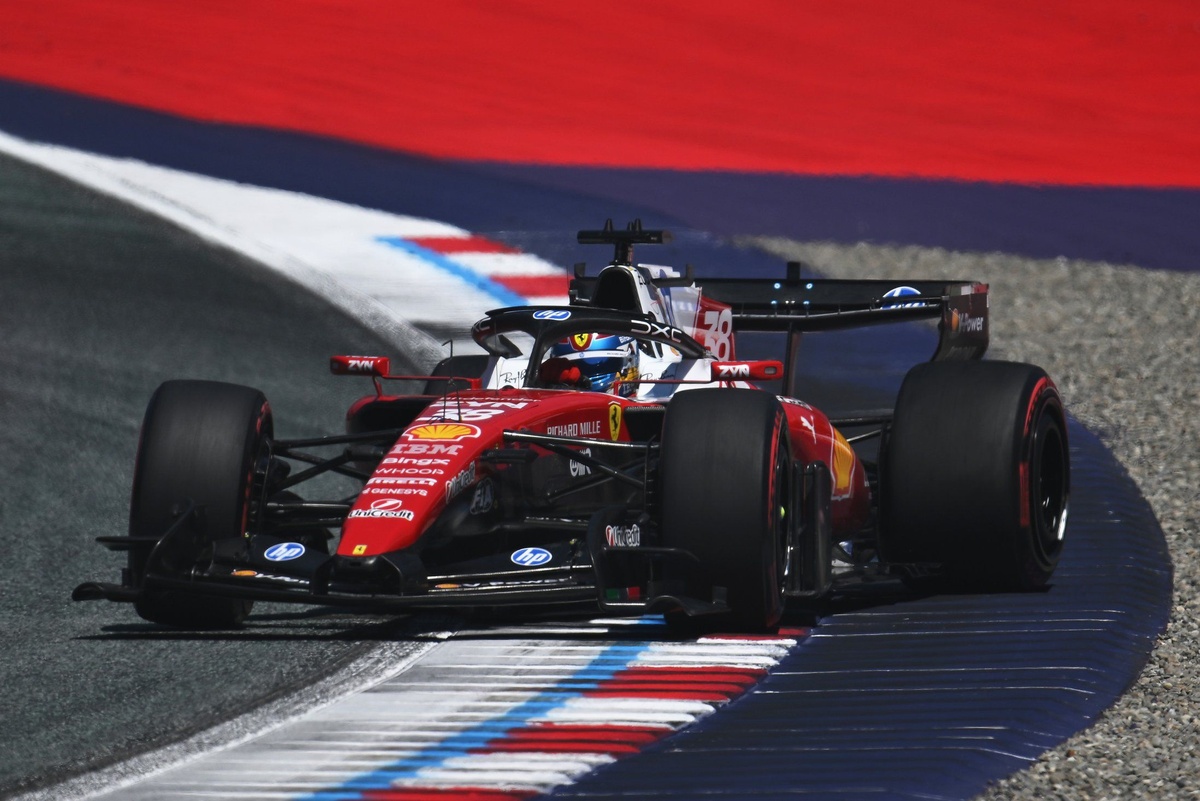
Ferrari elevates F2 competitor to the position of F1 reserve driver.
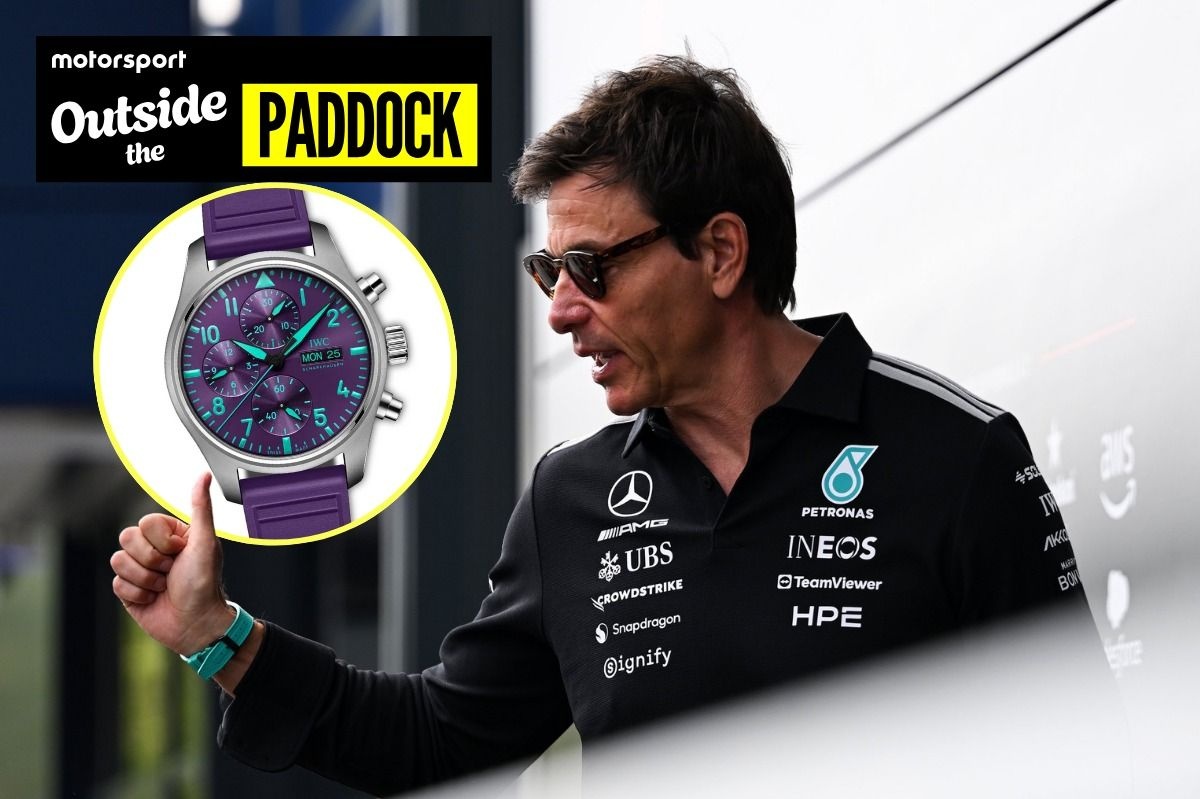
Why Toto Wolff donned two timepieces at the Singapore Grand Prix