F1 Bahrain GP extended runs: Is Max Verstappen the frontrunner in Malaysia?
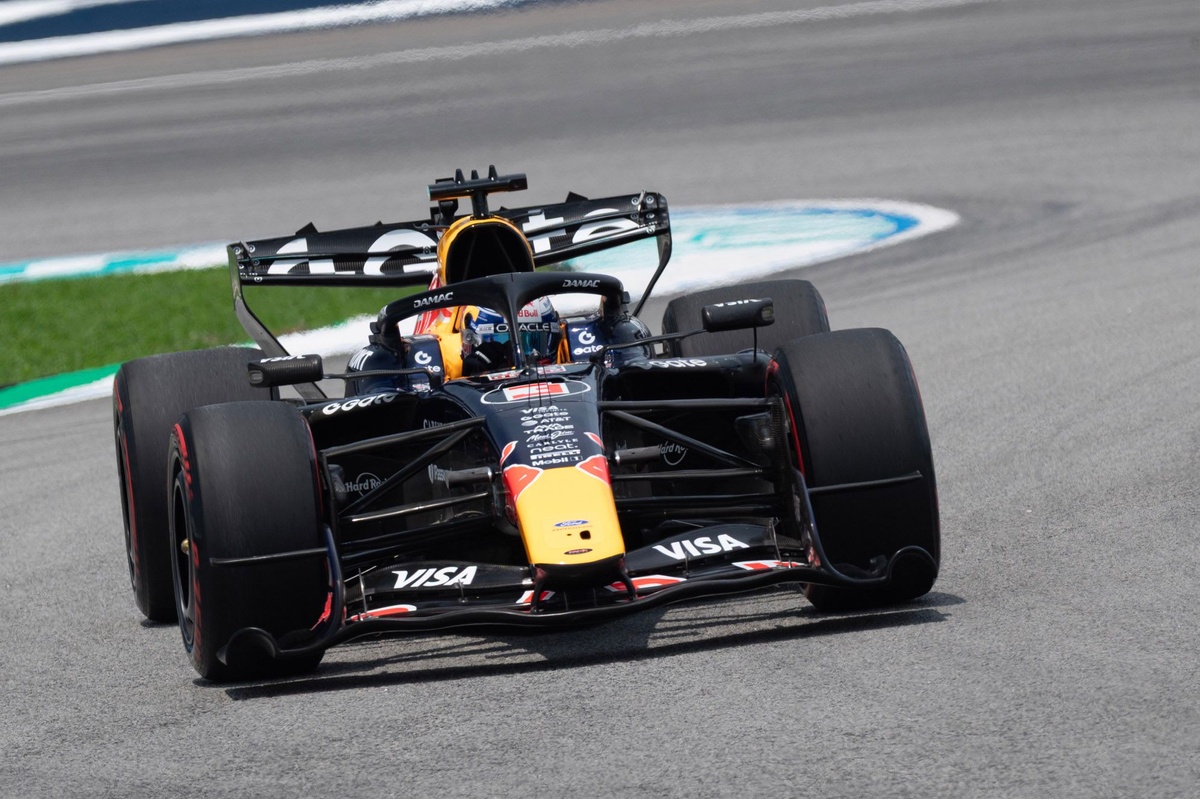
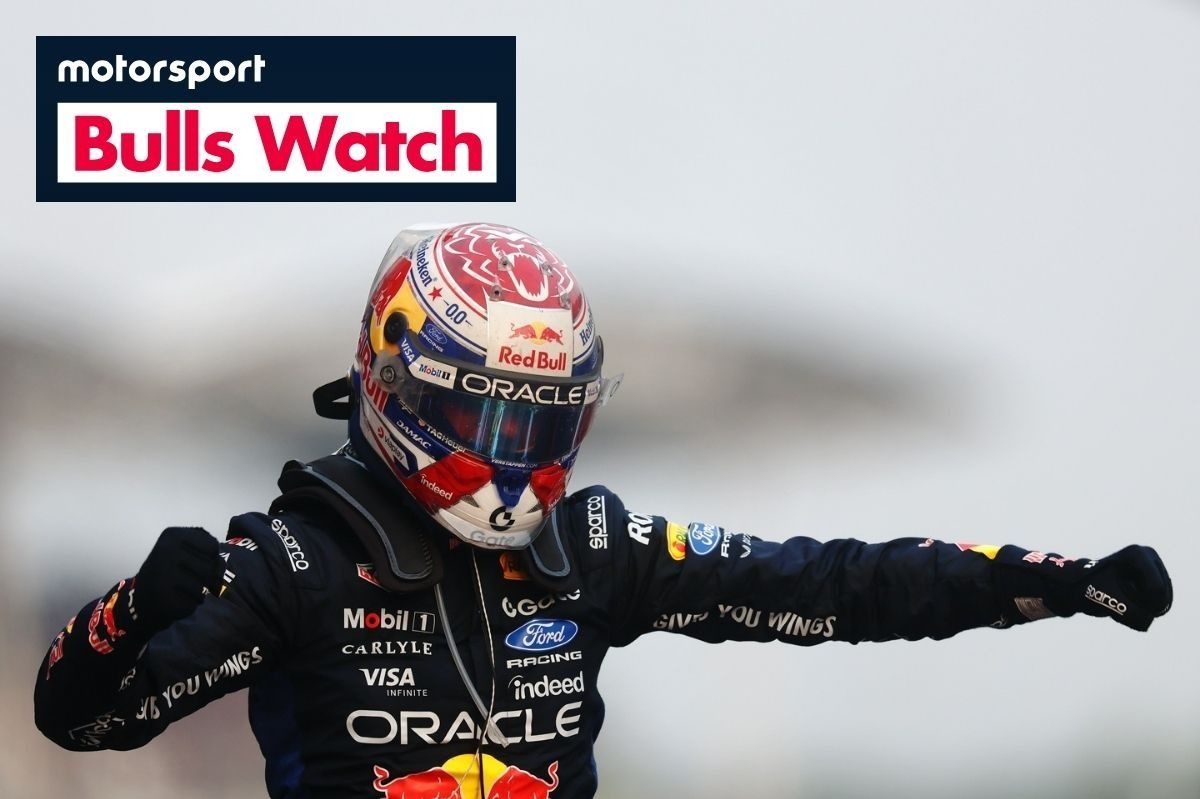
Max Verstappen showcased his speed during the long runs in the second free practice session for the Formula 1 Bahrain Grand Prix in Malaysia. The Red Bull driver utilized medium tyres and, after factoring in the different stint lengths and tyre compounds, managed to outpace his rivals.
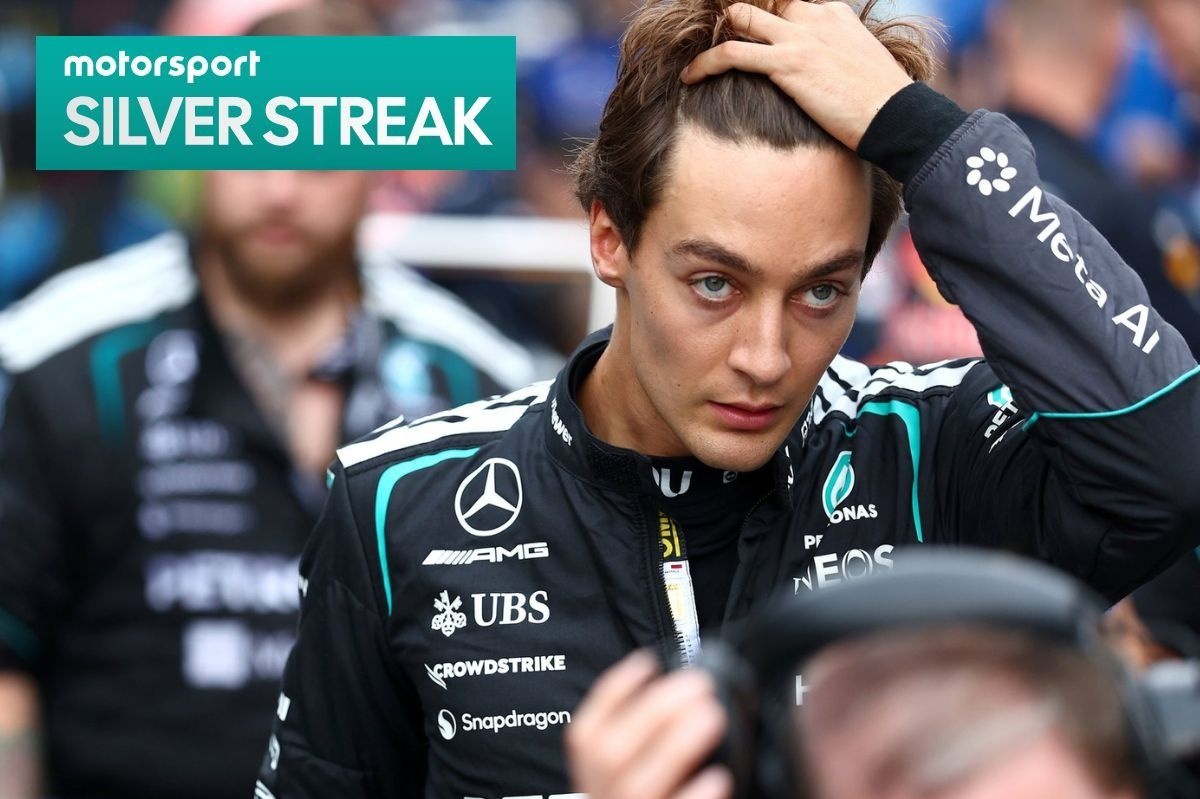
George Russell (+0.19s) from Mercedes and Ferrari's Charles Leclerc (+0.32s) secured the second and third positions, respectively. Red Bull also made a solid impression in both single lap performance and long-run pace. Following the practice sessions on Friday, this hints at a slight edge for the reigning champion of the most recent Malaysian Grand Prix, although the margins at the top remain too narrow to determine a definitive competitive hierarchy.
Are the updates at Mercedes ineffective?
The performance of Mercedes was particularly intriguing, as they arrived in Malaysia with a comprehensive update package. However, it remains premature to draw any firm conclusions regarding the effectiveness of the new components and the potential of the modified car after the initial two practice sessions.
In comparison to the previous weekend in Azerbaijan, Mercedes seems to have lost some speed, although the Malaysian circuit has historically posed challenges for the team. With its rough surface and a variety of high- and medium-speed corners, the track often places significant demands on the tyres.
Mercedes has consistently faced difficulties in this area in the past. Consequently, Malaysia cannot be viewed as a typical Mercedes circuit, complicating the evaluation of the update package's true impact.
McLaren unexpectedly struggles in sector two
The situation at McLaren presents a different picture. Lando Norris concluded the long-run analysis in fourth place, trailing Verstappen by 0.43 seconds per lap. Oscar Piastri followed in sixth, 0.78 seconds behind the Red Bull driver. This indicates that McLaren is currently positioned as the fourth contender behind Red Bull, Mercedes, and Ferrari.
It was already evident during single lap runs that McLaren was particularly losing time in the second sector. This is noteworthy since the medium- and high-speed corners in that sector should theoretically suit the car's strengths. Instead, the team appeared more competitive in sectors one and three, where top speed is more prominent.
A possible explanation could be related to the car's setup. It’s plausible that McLaren opted for a relatively low downforce configuration, resulting in time loss in the faster corners. Whether this issue stems from the setup or if other factors are influencing performance will become clearer with further analysis.
Alpine heads tightly contested midfield
A tightly contested battle is forming in the midfield, involving Alpine, Racing Bulls, and Audi. Pierre Gasly emerged as the quickest driver in this contingent, with a gap of 1.28 seconds per lap. Liam Lawson (+1.63s) and Nico Hülkenberg (+1.75s) also delivered competitive long runs.
Therefore, Audi appears to be significantly more suited to the Malaysian circuit compared to their performance during the previous race weekend in Baku. While top speed was crucial on the street circuit in Azerbaijan, the demands in Malaysia are more reliant on cornering ability and tyre management, which may favor Audi's setup.
Aston Martin (+1.97s) also demonstrated improvements compared to the previous weekend in Baku. Similar to Audi, Aston Martin could benefit from the reduced emphasis on top speed relative to Baku.
On the other hand, the long runs were less promising for Haas (+2.04s), Williams (+2.58s), and Cadillac (+2.92s). The combination of high tyre degradation and medium-speed corners seems to pose a considerable challenge for these teams.
High tyre degradation indicates two-stop strategy
An important aspect during the second free practice session was the anticipated chance of rain. With precipitation expected towards the end of the session, many teams expedited their long runs to gather race data early. Ultimately, the rain held off, allowing for a notably high number of representative long-run laps to be completed.
This session further illustrated the significant stress on tyres in Malaysia. The abrasive surface, coupled with the numerous high- and medium-speed corners, imposes a considerable load on the tyres. With large corner radii, drivers experience prolonged periods under high lateral forces, which accelerates tyre wear.
Both the C4 soft and C3 medium tyres exhibited average degradation of around three-tenths of a second per lap. This is a relatively high figure and is likely to significantly influence the strategic decisions of the teams.
If tyre degradation does not notably decrease as the weekend progresses, a two-stop race strategy appears increasingly plausible. It is also significant that no team utilized the hard tyre during the second free practice session. Likely, teams are reserving the C2 compound for Sunday to ensure they have a sufficient number of fresh tyres available for the race.
More from this section
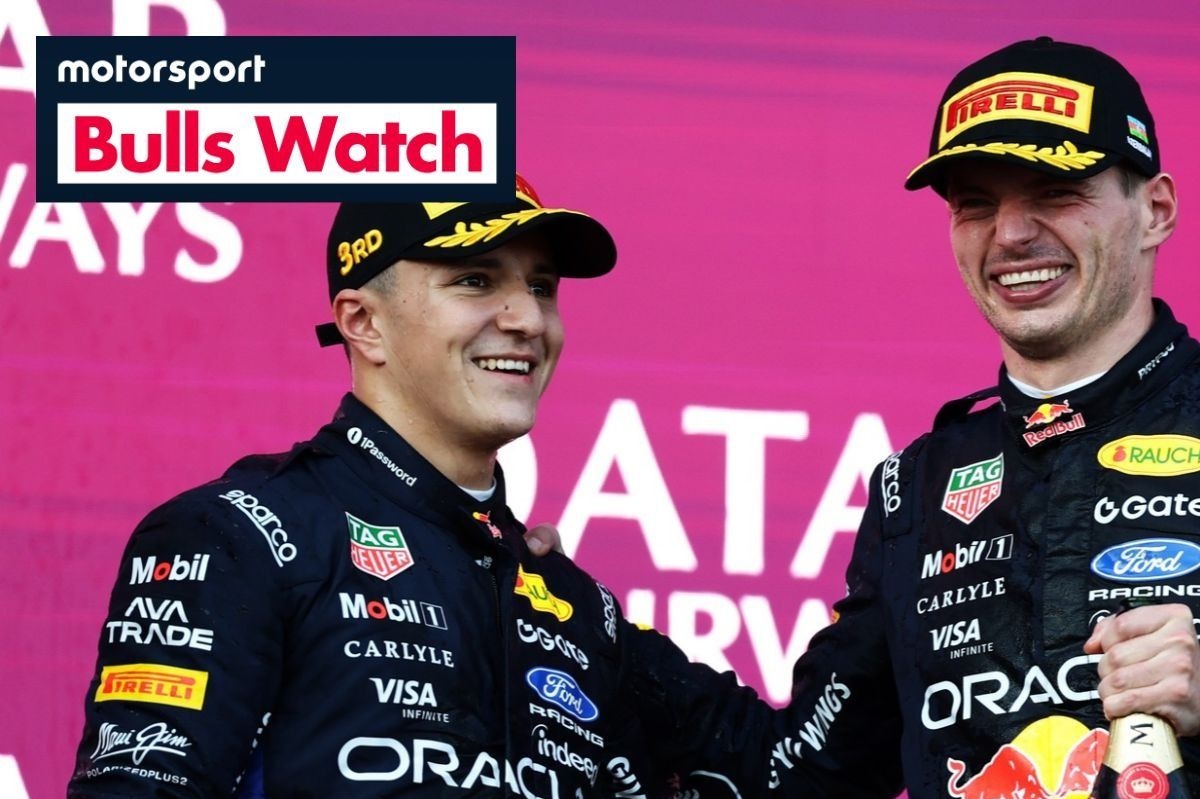
Isack Hadjar discusses the experience of competing against the "best of the best," Max Verstappen.
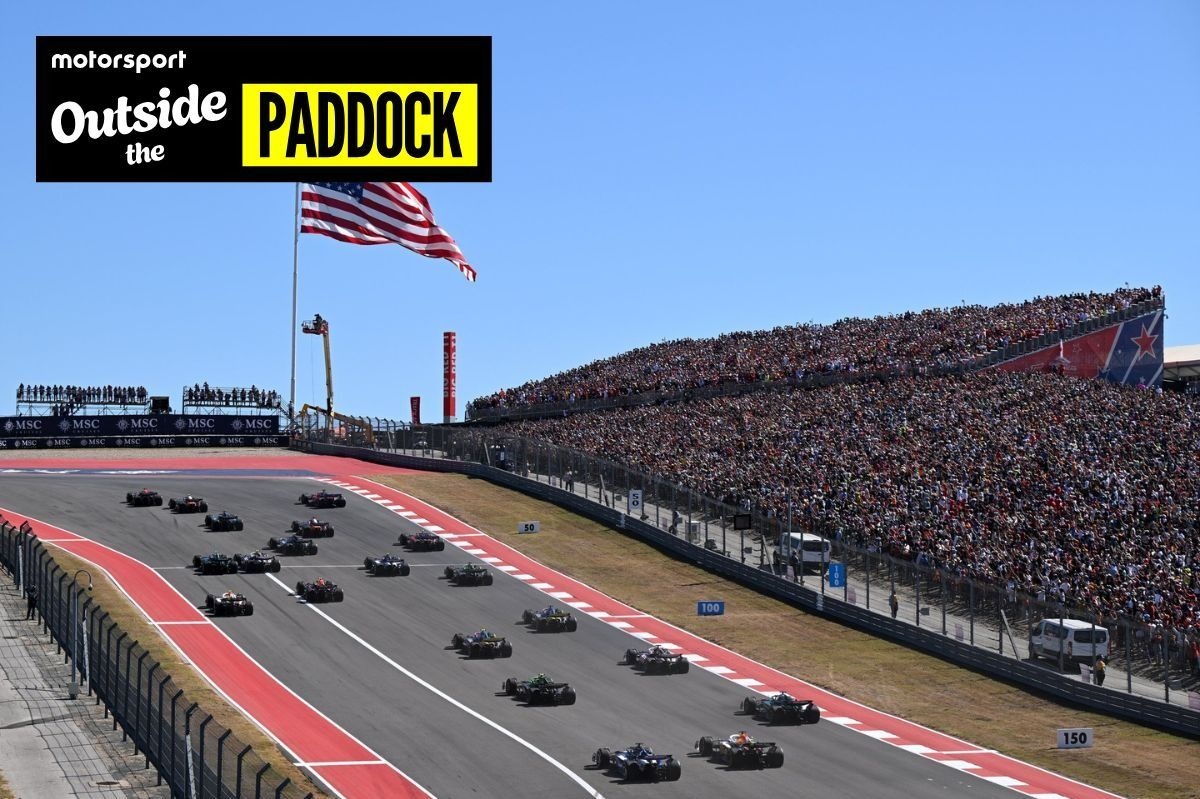
Apple TV reveals significant enhancements to F1 coverage for the United States Grand Prix.
Max Verstappen discussing life post-Christian Horner: “It feels less stressful”
Five aspects to watch closely at the F1 Singapore Grand Prix
Mercedes stands by its choice to turn down an essential FIA driver assistance feature.