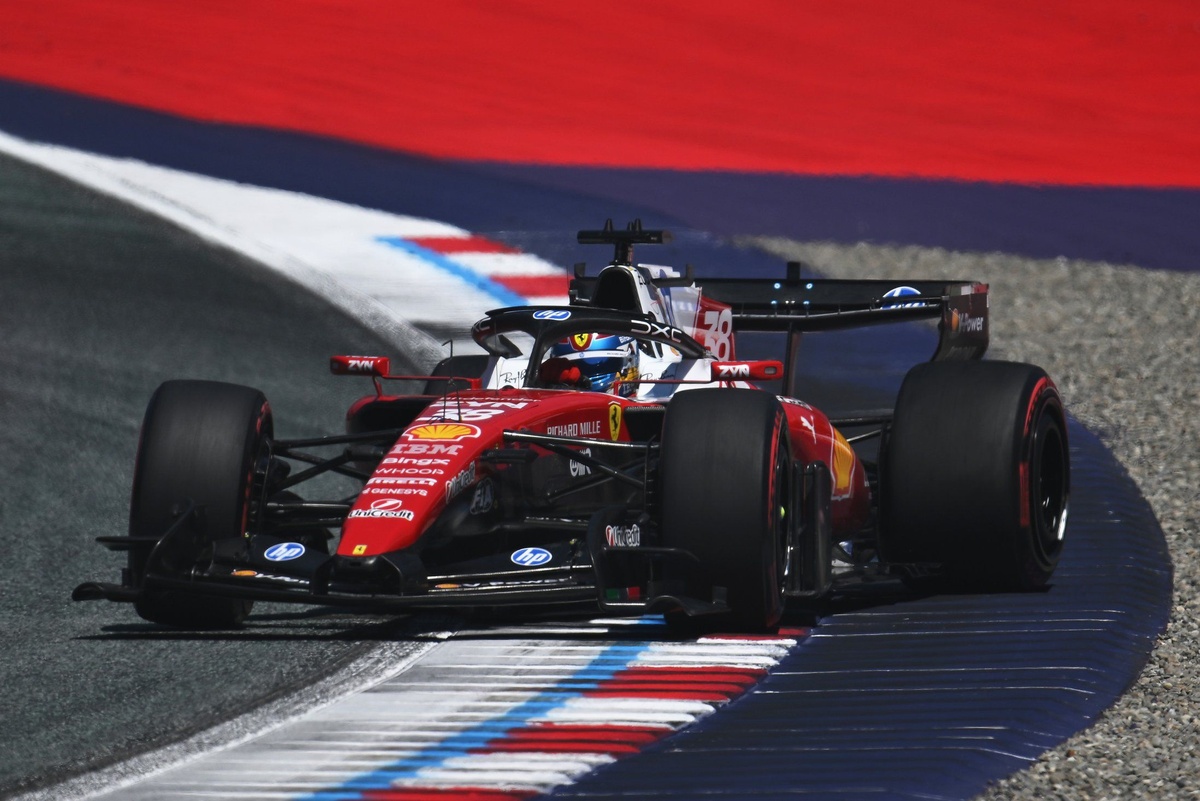
FIA acknowledges that equity was jeopardized during the chaotic Singapore F1 sprint qualifying session.
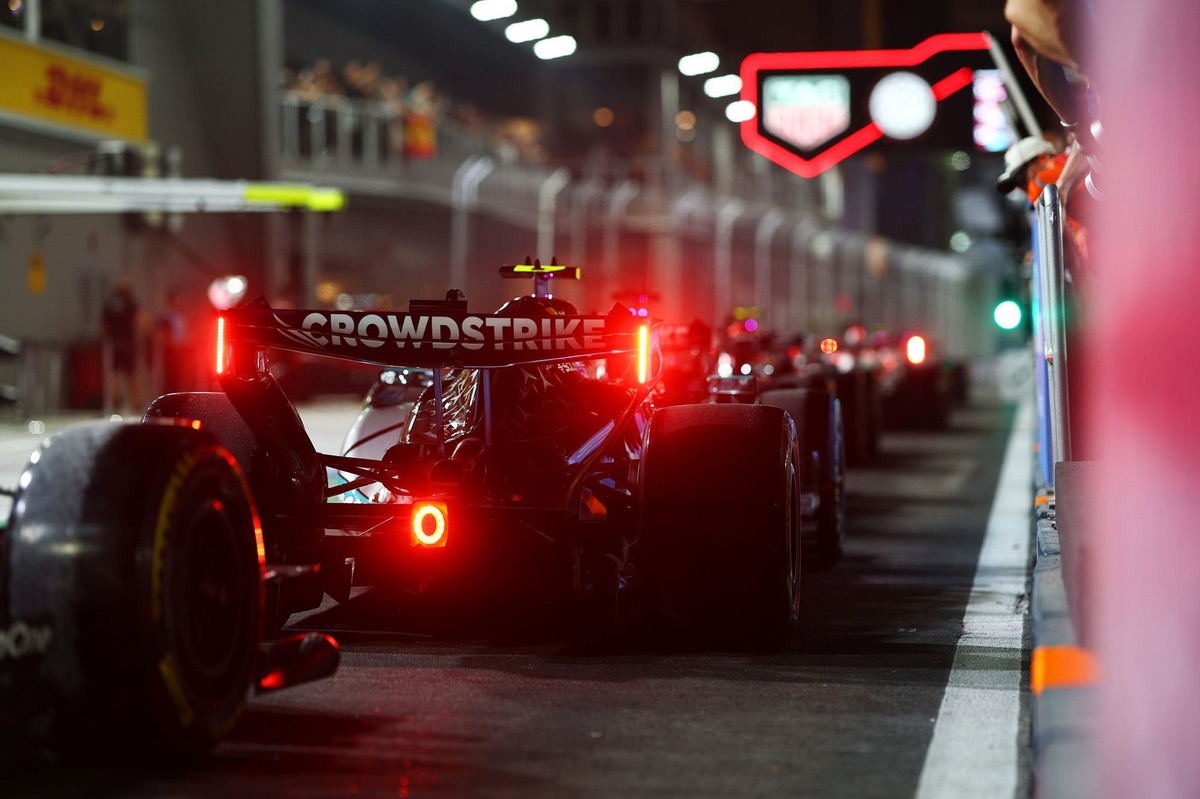
The FIA has once again acknowledged its human mistake during the Singapore Grand Prix in Formula 1, with single-seater director Nikolas Tombazis labeling it as “the worst thing” for the federation.
After Sergio Perez's crash led to the red flag during sprint qualifying, the conclusion of SQ1 was compromised when race control initially failed to reactivate the overtake mode, subsequently turning it back on for 27 seconds before switching it off again.
The drivers were left confused by the sudden lack of power, and those eliminated in the opening phase of sprint qualifying felt they were at a disadvantage due to these circumstances.
In an interview with Sky Germany, Tombazis emphasized that “there's a lot of things happening in race control simultaneously” and clarified how the error transpired.
“Typically, it is a manual task to re-enable it, as we want to ensure from a safety standpoint that it's appropriate to do so,” he elaborated.
“Regrettably, a pop-up window appeared on someone's computer that wasn't acted upon quickly enough or at the right moment. Under time constraints and other pressures, this was unfortunately overlooked.
Sergio Perez, Cadillac Racing
“We then engaged in a thorough analysis to determine if there was another issue, as we could hear the drivers expressing their concerns about what was occurring. We identified where the problem originated.
“At that moment, there was an erroneous call to briefly reactivate it, which was not the right decision for fairness. It was then switched off again.”
Tombazis further acknowledged that the situation was “a bit of a mess, quite frankly,” considering its effect on the competitive landscape.
“We're not pleased about it, as it affected some drivers more than others,” he remarked.
“Thus, in the initial session of the sprint, we felt this issue disrupted the results – which for us at FIA is probably, in some respects, the worst outcome, because our top priorities are always safety and fairness.
“Naturally, having a situation where a result is deemed unfair or incorrect is not acceptable for us. It is indeed a complex task, and mistakes do occur, and we must acknowledge that. However, we also need to ensure that when we do make errors, we analyze them and implement measures to prevent their recurrence – which is precisely what we are doing.”
This misstep took place less than a week after the Bahrain Grand Prix in Malaysia was affected by a power unit issue for several competitors, necessitating a software update on all cars before the race could commence.
More from this section
Bernie Collins cautions about escalating trust concerns between Lewis Hamilton and Ferrari.
Franco Colapinto calls on supporters to cease the harassment: “Your actions aren't aiding me or my prospects.”
Karun Chandhok expresses worries regarding the performance of the Mercedes F1 upgrades.

An F1 enthusiast brings the upcoming grand prix track in Rwanda to life through the "Assetto Corsa" simulation.
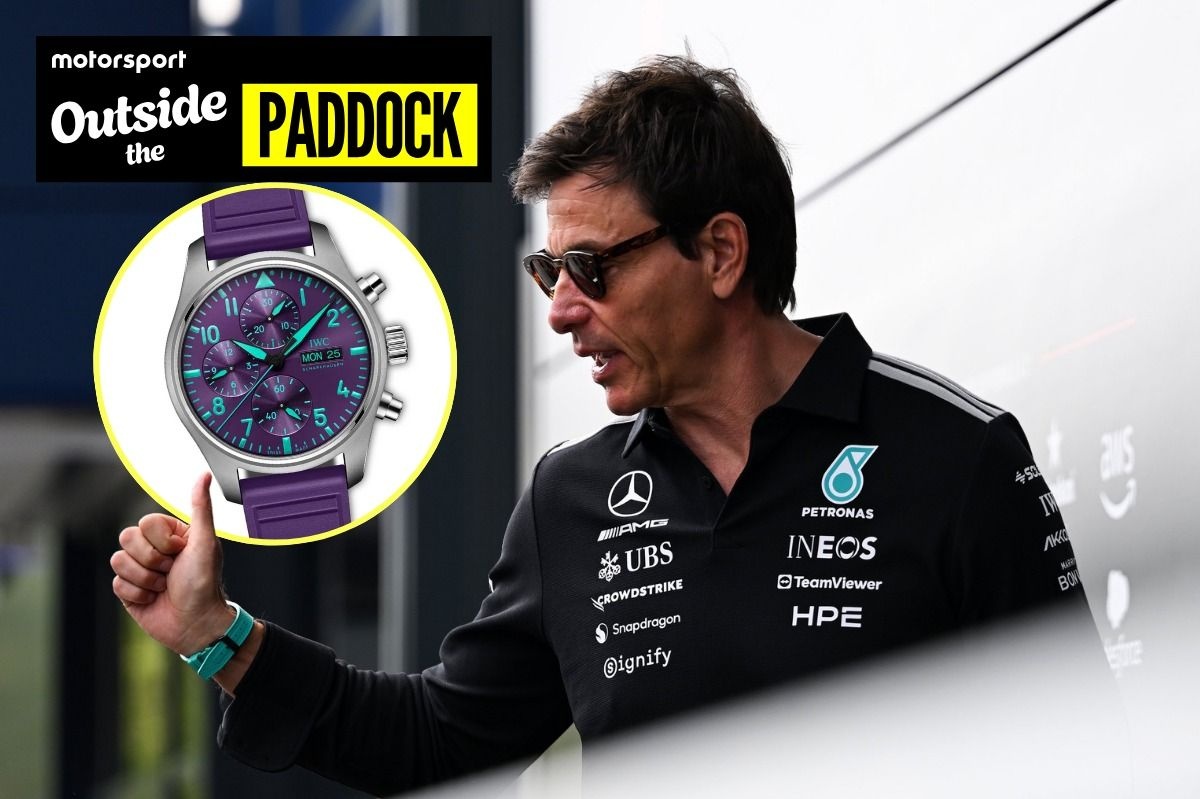
Why Toto Wolff donned two timepieces at the Singapore Grand Prix