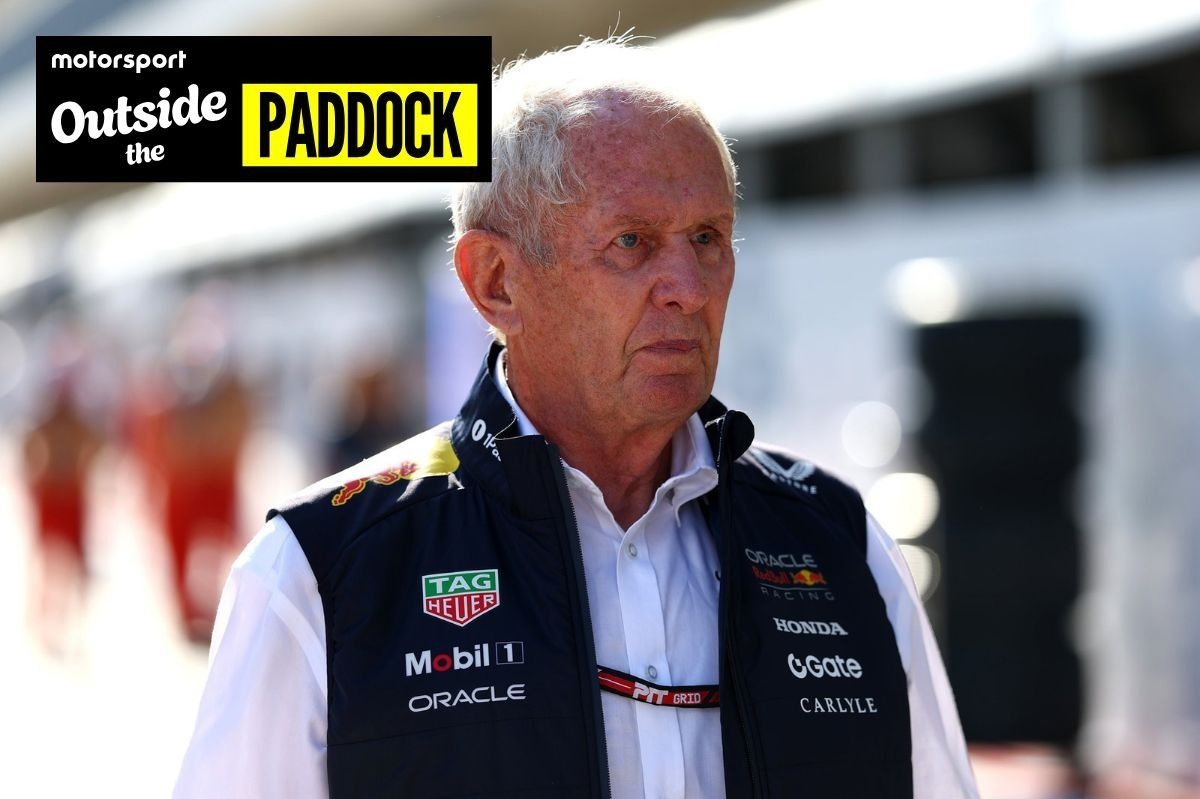
Lance Stroll: The Honda F1 engine results in Aston Martin being two seconds off the pace per lap
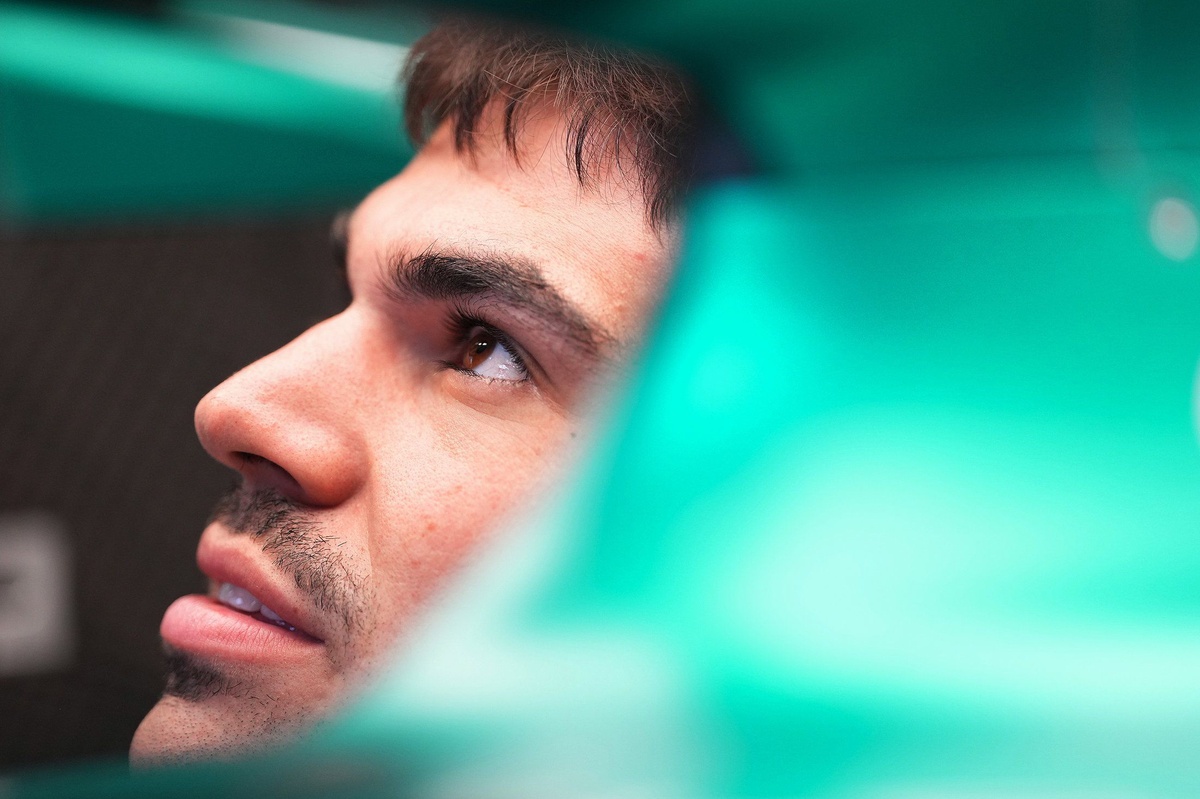
Aston Martin revealed this week that both Lance Stroll and Fernando Alonso will be returning for the 2027 season. Naturally, only Alonso's future was uncertain, considering Stroll's father is the team owner.
Alonso has expressed two primary concerns: the less-than-ideal nature of the 2026 technical regulations and the underwhelming performance of the AMR26, which remains entrenched in the lower midfield despite a significant upgrade package introduced in Hungary.
With Adrian Newey overseeing the vehicle, high expectations were set, yet those have not materialized. Much of the blame for the lackluster performance has been directed at Honda's power unit, although the team has worked hard to maintain a united front. Newey himself has steered clear of the media since his unusual press conference during the season-opening Australian Grand Prix weekend, where he effectively criticized the team's power unit supplier.
In Malaysia, Stroll hinted at plans for the upcoming year while voicing concerns regarding the pace of progress.
"I believe the car will improve significantly," he stated. "We have a strategy and a solid direction. We understand what needs to be done to increase downforce on the car and so forth. The major uncertainty lies with the engine. We are unsure how we will perform at the start of '27, so we will have to wait and see."
"We're losing two seconds due to the engines, which makes it challenging. At tracks like Baku and Monza, if you're lacking two seconds in engine performance, there's not much that can be done. On the chassis side, we know we started our development later than others regarding the new regulations."
"We made significant progress in Budapest. I believe we have a clear strategy for car development, but we're still short by one to two seconds, depending on the circuit, every weekend due to the engine. There's not much we can do about that. So, at this moment, that's truly our vulnerability."
Despite high hopes, Aston Martin is still competing with the Cadillacs at the rear of the grid.
This week, Honda disclosed that it has already made use of the second Additional Development and Upgrade Opportunities (ADUO) window. After measuring its internal combustion engine (ICE) to be over 4% below the current standard set by the Red Bull-Ford ICE, Honda has been granted additional capacity and resources for upgrades.
While initially intending to release just one upgrade this season and concentrate on a significantly revamped power unit for the following year, Honda has altered its approach and has now rolled out a second upgrade in the form of an enhanced turbocharger. It is believed that turbo lag has contributed to the driveability issues both drivers have experienced.
However, effectively harnessing and utilizing the maximum allowable electrical energy continues to be a challenge. This factor is crucial not only for achieving peak straight-line speed but also for determining how long the power unit can sustain electrical boost before entering the required ramp-down period.
Since Honda exclusively supplies Aston Martin and has no other teams to compare performance with using the same power unit, it is also possible that the AMR26 has aerodynamic drag issues. When McLaren ended its partnership with Honda in 2017 and switched to a different power unit supplier, it quickly realized that its car was partly to blame for the performance struggles.
"Tracks with long straights are particularly challenging for us," Stroll mentioned. "You know, Budapest was likely our best race of the year, featuring numerous corners and few straights. So, we really need to focus on the drivability aspects. That presents a significant limitation for us, along with power delivery down the straights."
More from this section
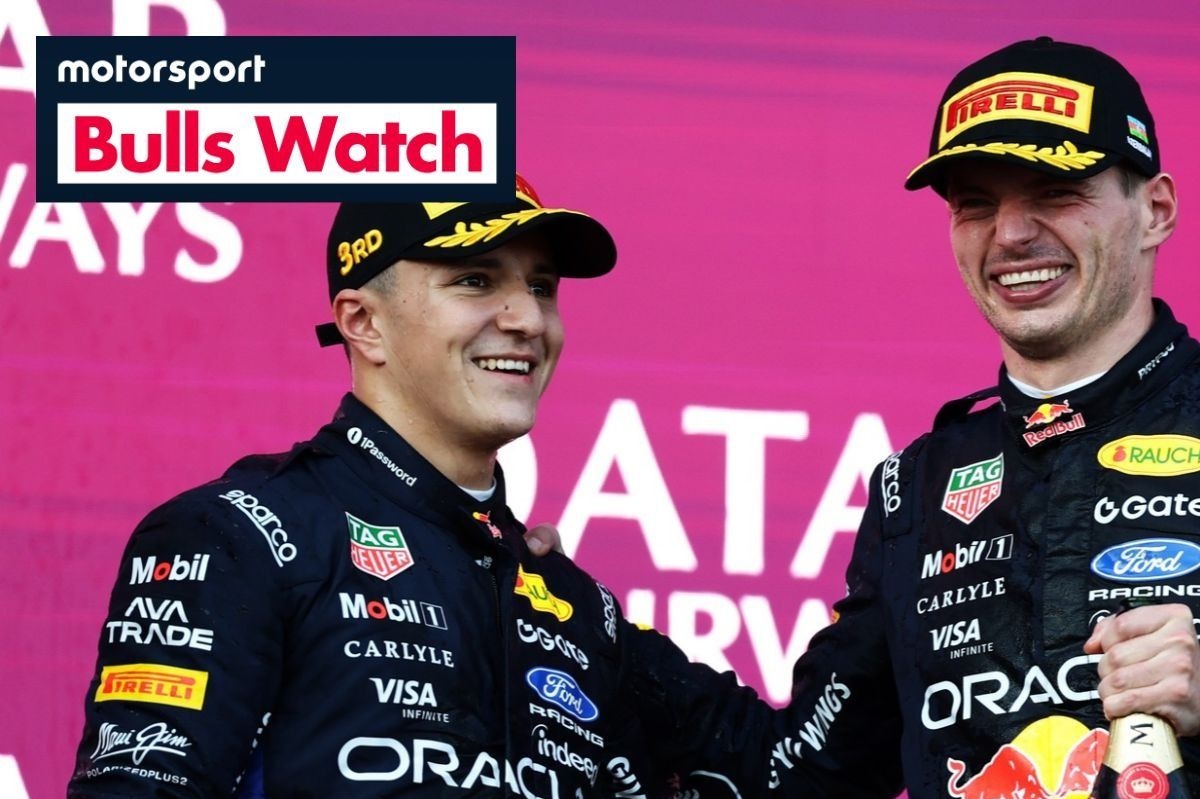
Isack Hadjar discusses the experience of competing against the "best of the best," Max Verstappen.
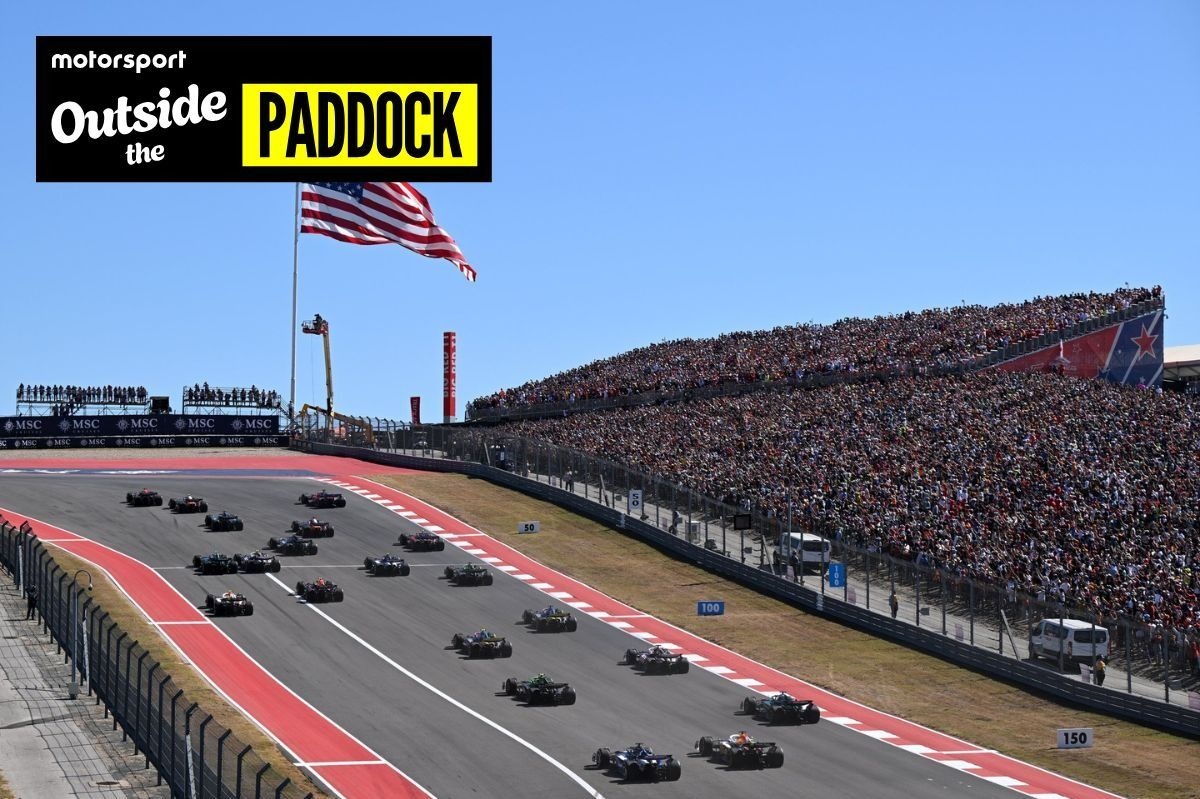
Apple TV reveals significant enhancements to F1 coverage for the United States Grand Prix.
Max Verstappen discussing life post-Christian Horner: “It feels less stressful”
Five aspects to watch closely at the F1 Singapore Grand Prix
Mercedes stands by its choice to turn down an essential FIA driver assistance feature.