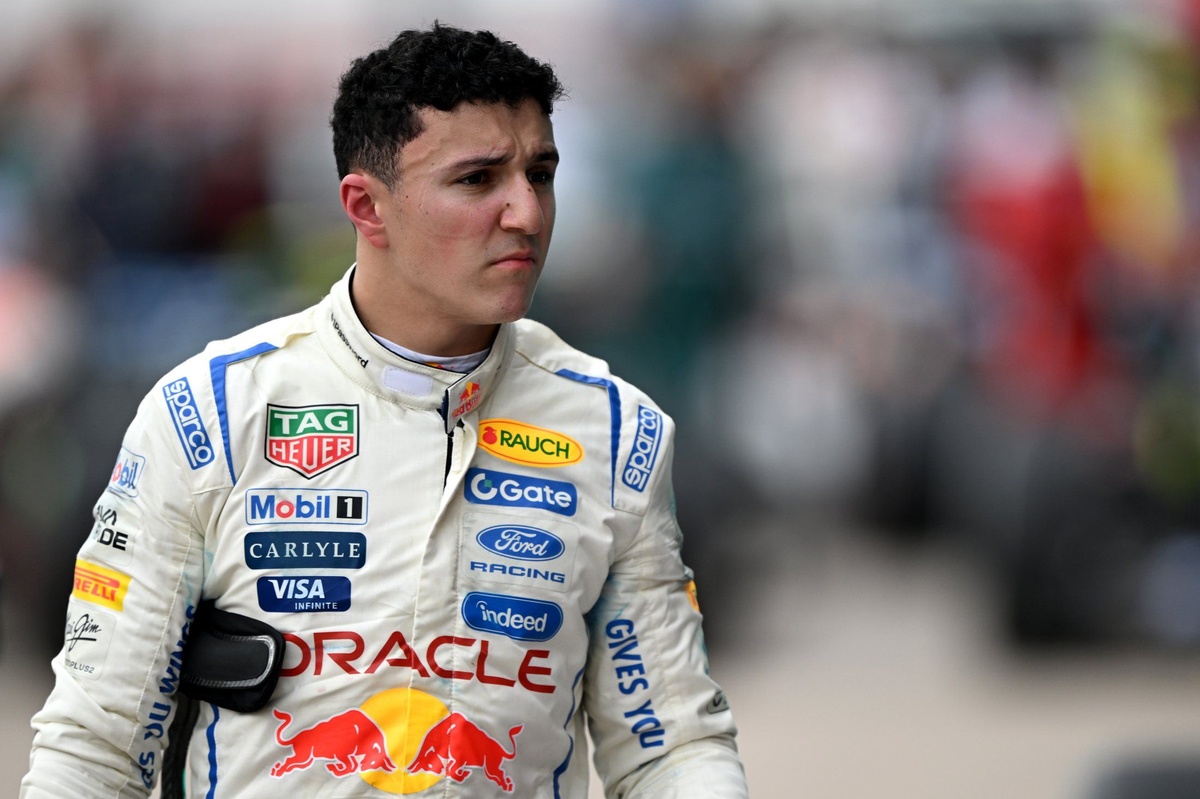
Liam Lawson removed from F1 qualifying in Mexico – here’s the reason why
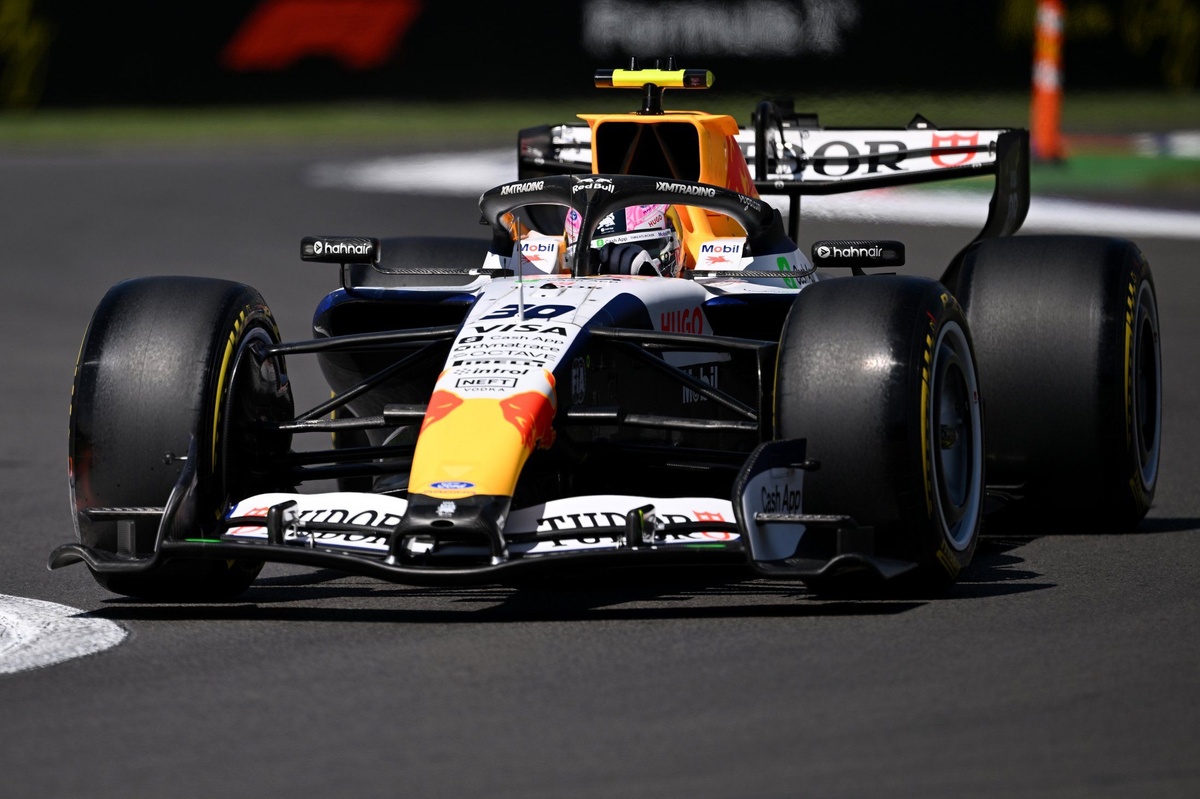
Liam Lawson has been stripped of his ninth-place starting position for the Formula 1 Mexico City Grand Prix.
The Racing Bulls made a strong impression at the Autodromo Hermanos Rodriguez on Saturday, successfully advancing both cars into Q3. The team ultimately finished as the 'best of the rest' in eighth and ninth positions, but Lawson is now tasked with a recovery drive on Sunday.
The New Zealander has been disqualified by the FIA due to a technical violation. The summons document had previously noted that “Lawson was in violation of the minimum MGU-K power requirement immediately after crossing the line on his fastest lap in Q2 at 15:47:36.”
After consulting with the stewards, the ruling echoed the typical outcome for most technical violations: disqualification. During practice, Lawson did not promptly ease off the throttle after completing his fastest Q2 lap, which led to his failure to adhere to the mandated MGU-K rampdown rate.
This electrical power must be decreased gradually in line with Article C5.12.6 of the technical regulations, which outlines maximum reductions of either 50 or 100kW per second:
“The driver maximum power demand must not be reduced at a rate exceeding the limits specified below while the electrical DC power of the ERS-K exceeds 100kW:
a. 50kW in any 1s period at Competitions where the FIA determines that the power limited distance exceeds 3500m. The vehicle fundamentals used for calculating the power limited distance are detailed in the document FIA-F1-DOC-034.
b. 100kW in any 1s period at all other Competitions.”
In Lawson's situation, that rampdown rate of electrical power was sharper since he did not lift off the throttle immediately after crossing the line, as indicated in the stewards' report.
“Evidence presented, which was accepted by all involved parties, demonstrated that after the control line at the conclusion of his fastest lap in Q2, the driver did not reduce power immediately. This resulted in the required rate of reduction of MGU-K deployment for the regulated “step down” not being achieved.”
The summons document further clarified this violation: “The driver maximum power demand and the electrical DC power of the ERS-K were reduced at rates exceeding those permitted by the Regulations.”
Liam Lawson, Racing Bulls
During the hearing, all parties agreed that Racing Bulls had not gained any competitive advantage from the violation, but that finding did not suffice to avert disqualification. Technical violations are, by nature, absolute.
“The team contended that this did not confer any performance benefit; however, it is evident that non-compliance with the Technical Regulations is not excusable even if no performance advantage is derived. Moreover, these regulations mandate that a car must comply with them at all times during an event.
“The Stewards particularly noted that the team voluntarily disclosed the breach, yet there are numerous precedents that require us, despite all mitigating factors, to enforce a penalty of Disqualification when a car fails to conform to the Technical Regulations.”
This means Lawson will be forced to start from the back of the grid on Sunday and will need to fight his way through the field. The disqualification comes as a boost for Alpine, as one of its competitors for fifth place in the constructors' championship must now begin from the rear. Nevertheless, in the standings, Racing Bulls still maintains a comfortable 33-point lead.
More from this section
Lewis Hamilton expressed that he was "lost for words" after breaking a three-year pole position drought at the Mexican Grand Prix.
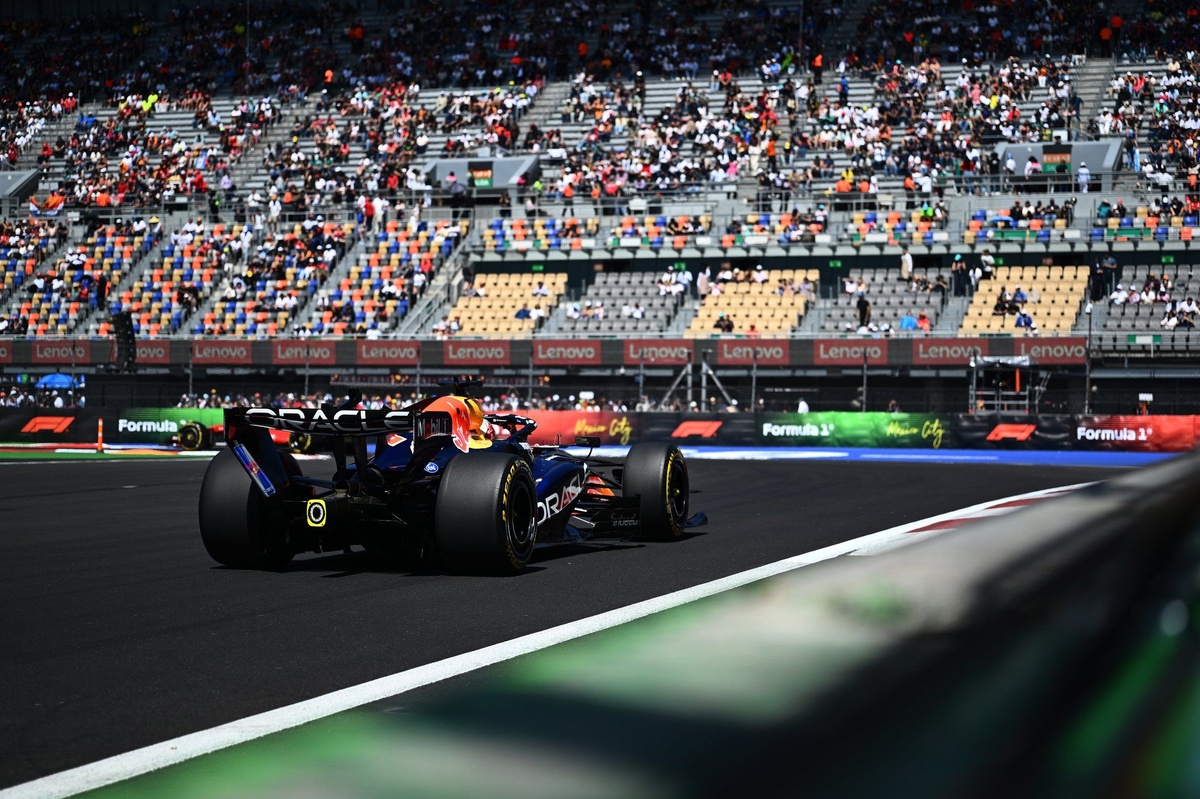
"Contending for pole position": Max Verstappen laments the congestion at Turn 13 during F1 Mexico GP qualifying.
Esteban Ocon releases a statement following his sidelining by Haas, refuting rumors of a physical confrontation.
Lewis Hamilton inspired by groundbreaking first Ferrari F1 pole: "I continue to cherish my work"
Red Bull's chief has stated that Max Verstappen will not influence the driver lineup for the 2027 Racing Bulls.