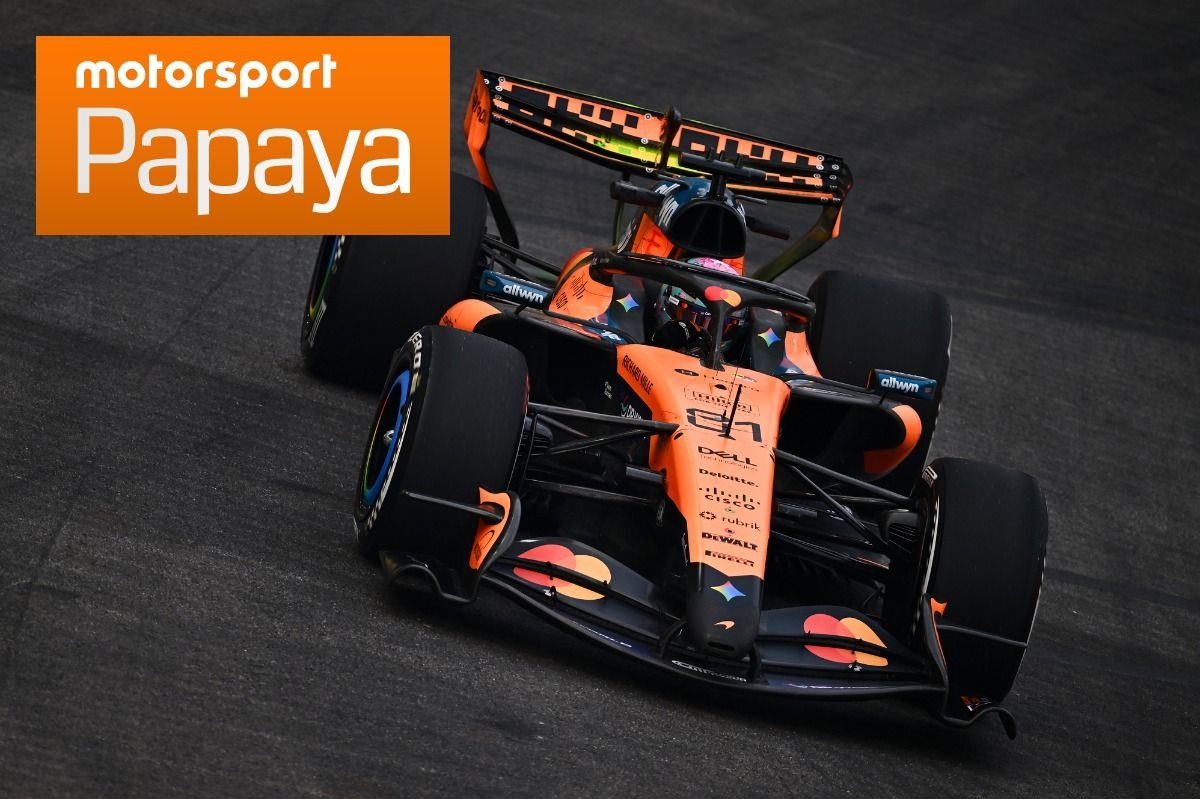
Max Verstappen criticizes “unacceptable” bumps at the Austin F1 circuit: “It's beyond control.”
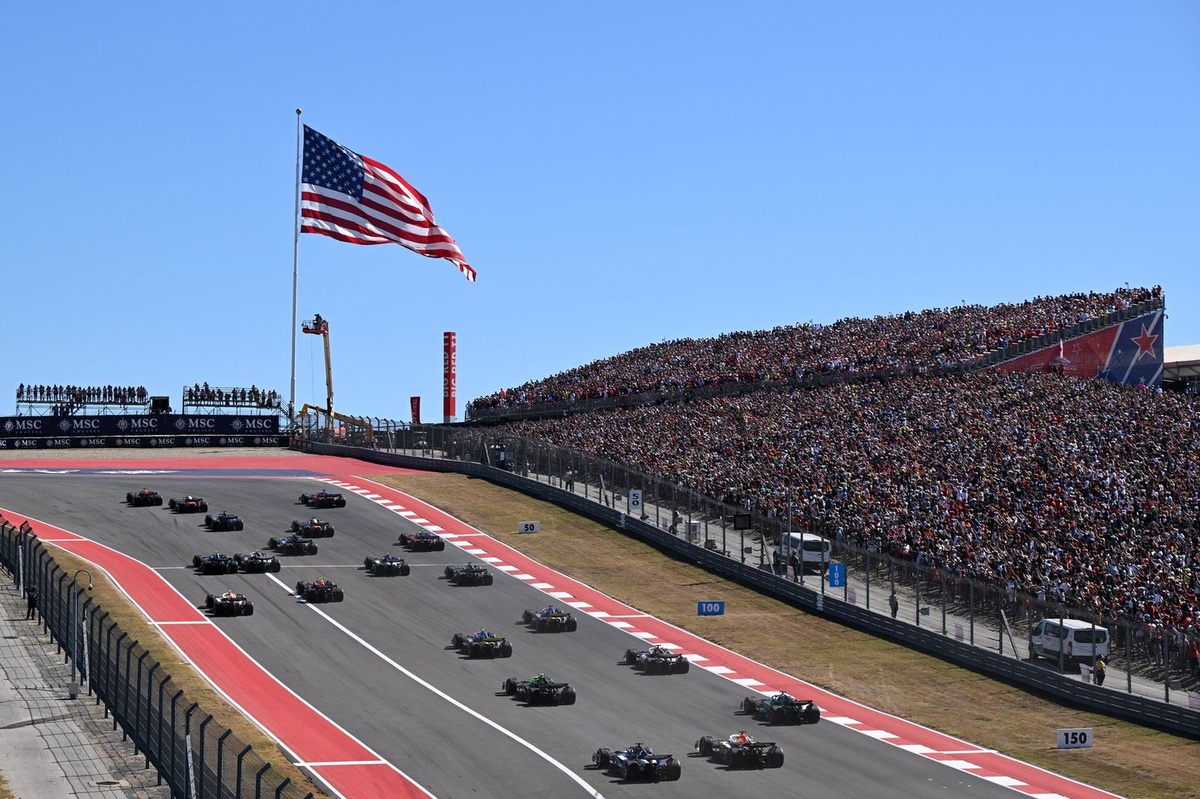
During the Formula 1 press conference in Singapore, when the topic of the United States Grand Prix arose, Max Verstappen quickly joked about needing to order a new spine. The four-time champion had observed the World Endurance Championship race in Texas – The Lone Star Le Mans, which took place over the weekend of September 6 – and expressed his astonishment regarding the state of the circuit.
While Verstappen could laugh about it with Kimi Antonelli at that moment, he made it clear during the media day in Austin that he is genuinely worried about the “unacceptable” conditions of the track.
“From what I observed in WEC, it was extremely bumpy. To be honest, I'm not looking forward to that for your spine,” Verstappen commented. “I was joking about it in the last race, but truthfully, it's not really a joke. We've pointed this out for years, and it’s becoming a bit out of hand.”
The issue originates from the ground beneath the circuit. Constructed on Texas’ notorious high-plasticity clay, the track experiences a significant shrink-swell effect as weather changes. This ongoing shifting results in a very bumpy surface, especially in the heavy braking zones where the asphalt faces the highest stress.
In preparation for the 2026 race, certain sections have been resurfaced again, including the area between Turns 9 and 11. Additionally, repair work has been undertaken to address the bumps between Turns 12 and 19. Two years prior, ahead of the 2024 United States Grand Prix, the entire track underwent resurfacing.
When asked by Motorsport.com if he believes further action is necessary, Verstappen emphasized that the organizers should not use the location itself as a justification.
Max Verstappen, Red Bull Racing
“It's very poor. Sure, you can say that the soil is the issue, but you should have anticipated that and taken measures to reinforce it more,” the Dutch driver remarked.
“I mean, I really enjoy this track, I love being here. It's one of the best layouts ever and arguably one of the best venues and cities to be in. However, the bumps we have are simply unacceptable.
“Over time, they’ve been grinding a little in spots, but that’s just applying a band-aid to a larger issue that lies beneath. That's what truly needs to be addressed first.”
Verstappen believes that comprehensive measures are essential, focusing not only on the asphalt itself but also on the underlying soil.
“But that, of course, means you need to fully open up the track,” he added. “That requires significant investment and time, but honestly, that's the only way to eliminate it. Because yes, these bumps are unnatural and they are out of control.”
Why F1's 2026 cars could exacerbate the situation for drivers
On the surface, it may seem fortunate that F1 has moved away from the ground-effect cars of recent seasons. After all, those vehicles had to be operated particularly low and stiff; however, when questioned by Motorsport.com, Verstappen clarified that the 2026 cars could actually increase discomfort for drivers.
Race start
“It's probably worse because we have very low ride heights while cornering,” Verstappen explained. “On the straights, you have the SM mode, so you lift. But in most places, especially under braking, you actually bottom out more than before. And most of the bumps occur during braking or in corners, not on the actual straight.
“Under braking, it's a very stressful moment – especially when there are these awkward bumps, which aren't just from the track aging, but also from the surface underneath, the soil shifting up and down. Sometimes it's tough to predict what to expect, or if you're slightly offline, you have no idea what's coming because few drivers actually race there. So, yeah, it's really uncomfortable.”
This all means that drivers' backs endure significant strain. Verstappen notes he has already felt this at COTA in previous years.
“For instance, last year, you experience about 5-6G in a corner, but I faced some impacts, the vertical load hitting over 9G on my spine,” he said. “I can assure you that it’s really not enjoyable, and especially as you age, you think about it more. That's not what you want.”
Verstappen mentioned that his spine is already in less than optimal condition after over 11 seasons in F1: “I think sometimes people don't fully grasp that. From the checks I've had done on my spine, the lower part doesn't look great.
“I understand that's part of racing and can be part of any sport, but it's also due to the additional strain from the cars we've had in recent years. And if we continue to accept driving on such surfaces, then the impact will only increase.
“People might argue that there are more damaging sports for the body. Certainly, but that's why I choose not to participate in them. So, yes, it’s not pleasant.”
More from this section
George Russell advocates for modifications to the F1 circuit following Max Verstappen's criticisms of COTA.

Lando Norris discusses the Coca-Cola incident in Madrid: “I have the freedom to choose my drinks.”
Lando Norris supports Max Verstappen regarding the COTA bumps and discloses his use of headache tablets.

Lewis Hamilton “compelled to remain much longer” in F1 with aspirations for an African Grand Prix.

Kimi Antonelli set to "complete the task" as his inaugural F1 championship opportunity approaches at the US GP.