Red Bull issues alert to F1 competitors through engine development revelation
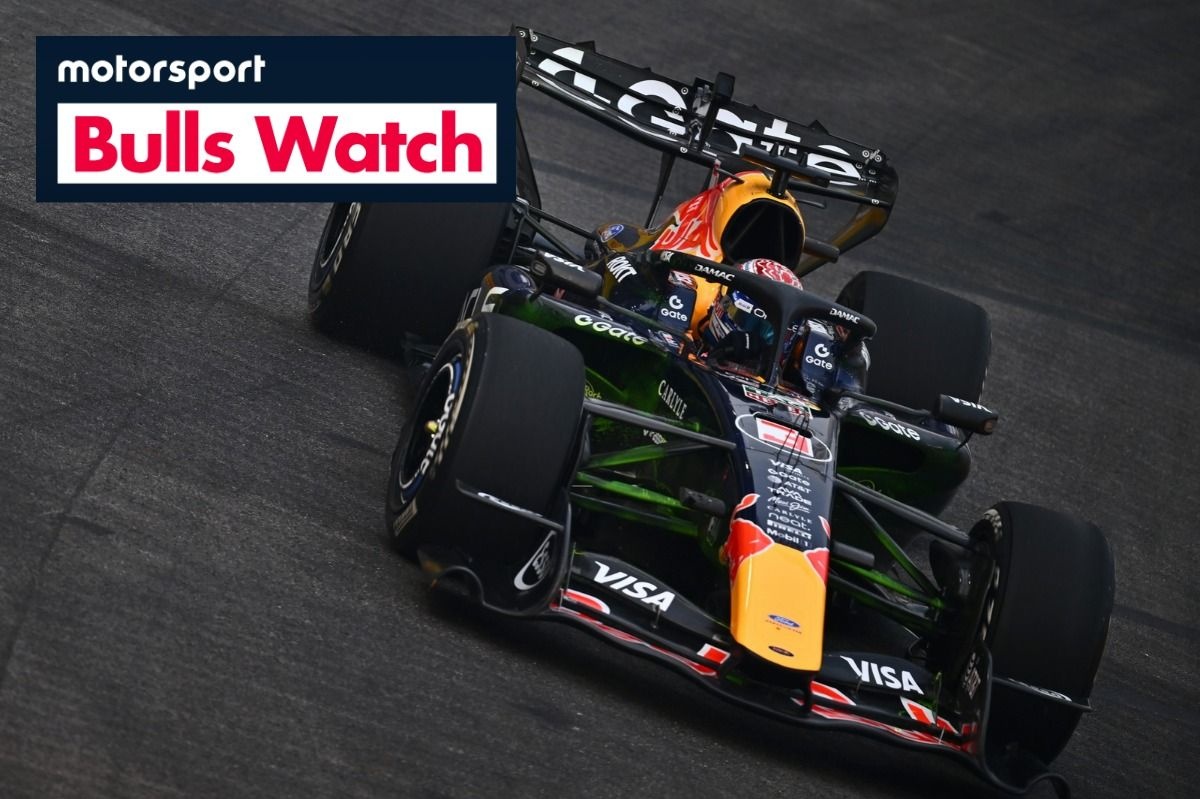
If you were to ask most engineers to evaluate their own work and they responded with a score of four or five out of ten, you might expect some disappointing news. However, Pierre Wache, the technical director at Red Bull Racing, gave that rating to the team's inaugural self-manufactured Formula 1 power unit, and this assessment seems to signal a warning to the rest of the competition. In essence, Red Bull believes that its in-house engine is only 40 to 50% of the way to its full potential, and they view this as a promising starting point.
When questioned by RacingNews365 to rate the engine development on a scale from one to ten, Wache stated: "I'd say a four or a five." A follow-up inquiry about whether this indicates significant room for improvement prompted him to respond: "Absolutely, the potential is massive."
Implications of this Assessment
Over its 20-year presence in Formula 1 from 2005 to 2025, Red Bull has depended on external engine suppliers—Cosworth, Ferrari, Renault, and Honda, to name a few—rather than crafting their own engines. This season marks a shift as the team embarks on its first independent engine initiative in collaboration with Ford. The power unit is the 1.6-liter turbocharged V6 known as the Red Bull Ford DM01, constructed by Red Bull Powertrains in Milton Keynes, where Ben Hodgkinson oversees engine operations while Wache manages the RB22 chassis.
As reported by RacingNews365, the FIA's ADUO evaluation indicated that Red Bull's internal combustion engine produced the highest output among all teams on the grid. This self-rating of four or five becomes particularly intriguing under those circumstances. If this is merely a preliminary version, other squads might have justifiable reasons to feel apprehensive.
"You have to do more, and you also feel more responsible for what we can achieve," he remarked. He also recognizes the advantages of owning the entire process: "Ultimately, we'll have more freedom. As you say, it's a success story. But you know, the journey isn't over yet. We have plenty to improve together."
Max Verstappen, Red Bull Racing
Does the in-house development simplify operations?
"I wouldn't claim it's easier because we have a lot more capacity and many more options that we haven't explored and utilized yet.
"However, the potential and capacity for enhanced performance are greater, and that’s why we are pursuing this."
Different Mindsets in Engine and Chassis Departments
Consolidating an engine department and a chassis department under one roof seems like a logical approach, but Wache acknowledges that it hasn't been as straightforward as one might think. "The collaboration and integration within the team take time because our working methods differ somewhat," he explained, adding: "By nature, the individuals involved in the engine and chassis sides are quite different."
A significant factor is the development timeline. An engine requires a considerably longer period to develop compared to a chassis, leading the two groups to perceive challenges and deadlines in distinct ways. "It's a learning experience for the entire team since the lead time for a chassis is substantially shorter than that of an engine, so our perspectives and collaboration methods differ from when we were a customer."
Max Verstappen, Red Bull Racing, Isack Hadjar, Red Bull Racing
As a client, Red Bull merely received a complete power unit and designed their chassis around it. Now, the chassis team’s rapid turnarounds must align with an engine program that operates on a much longer timeline.
This is the real significance of the four-or-five rating. It implies that Red Bull is still establishing its operational processes as much as it is enhancing horsepower, and the performance they have demonstrated thus far comes before these practices have fully developed. A team that acknowledges it is only halfway through its first engine while already setting the standard is either being extremely modest or very self-assured. With Red Bull, it tends to be the latter.
More from this section
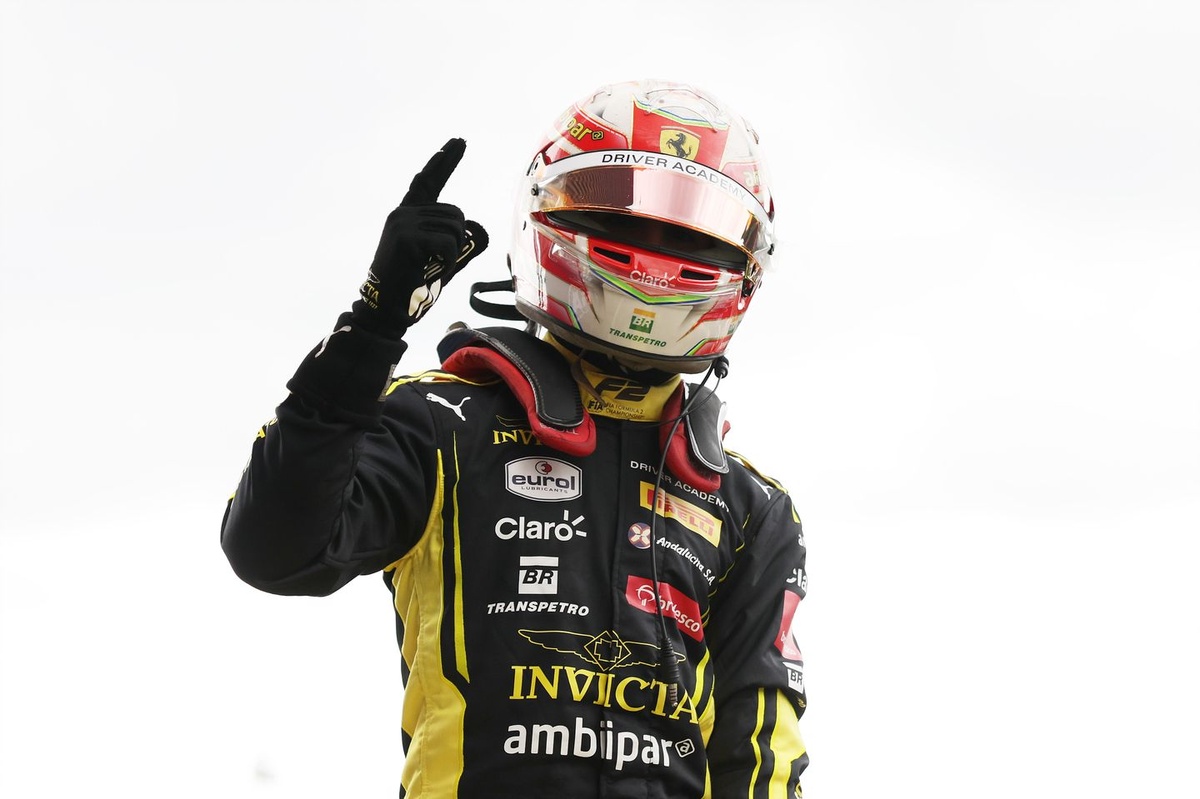
Did Haas make the right choice in bringing Rafael Camara on board for F1 2027?
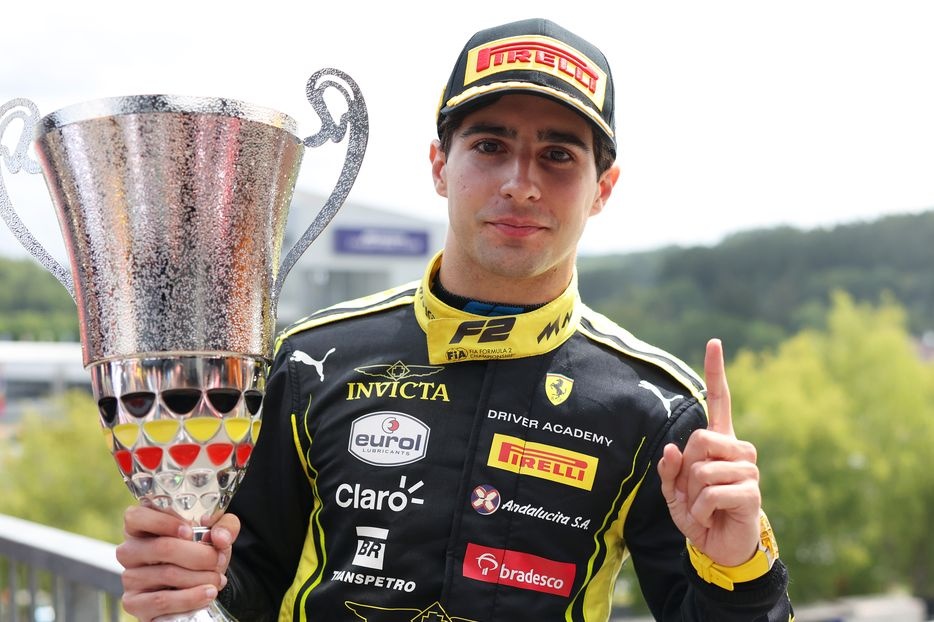
Rafael Camara is set to take over Esteban Ocon's position at Haas for the 2027 Formula 1 season.
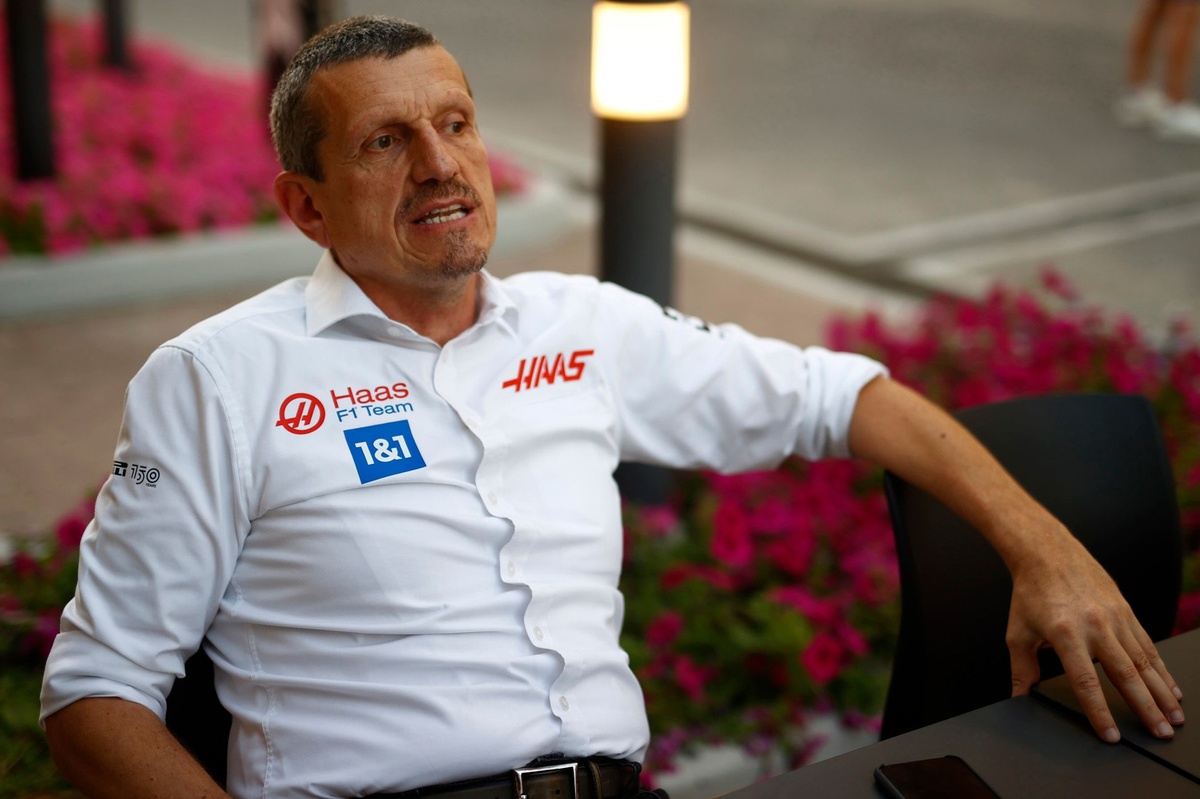
Lando Norris criticized by Guenther Steiner for "not displaying a world champion's mentality"
Every milestone Kimi Antonelli could surpass if he clinches the F1 championship in Austin
Max Verstappen shares his thoughts on the "incredibly special" moment during the Singapore GP with Gianpiero Lambiase.