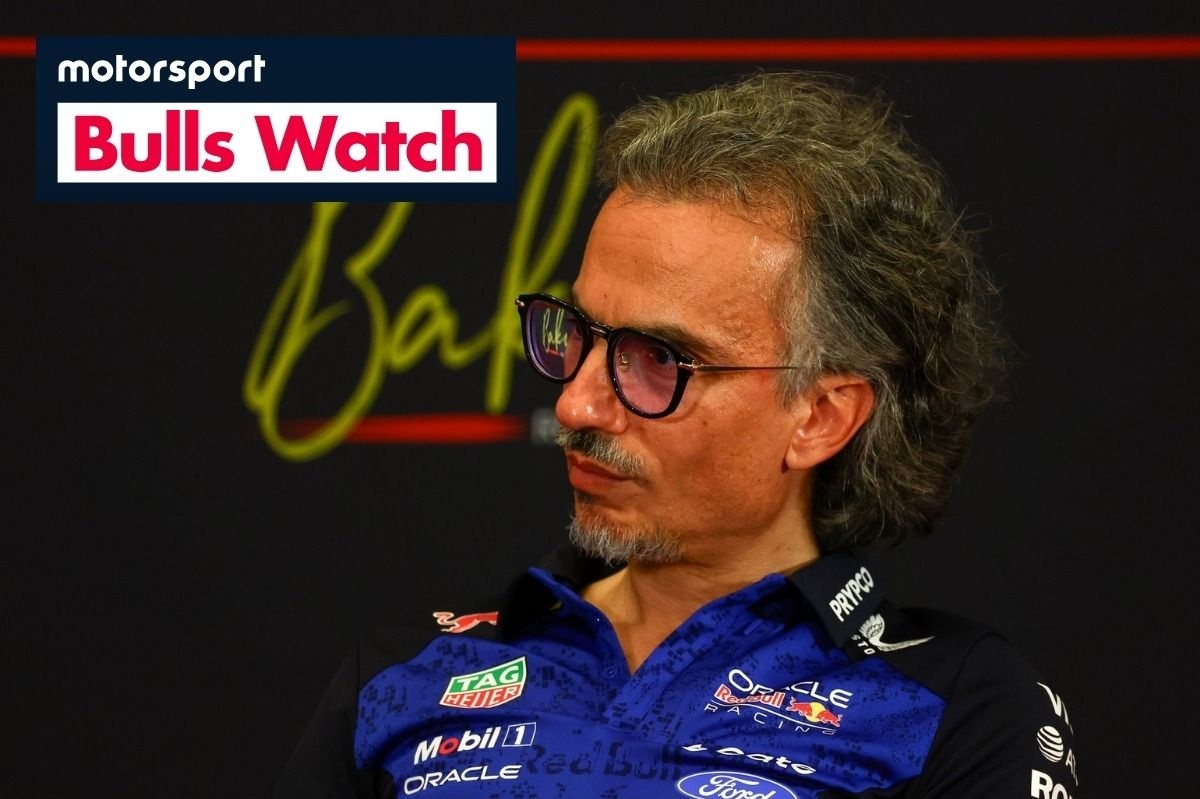
“They developed the finest engines” – Audi F1 drivers disclose major constraint and propose solutions.
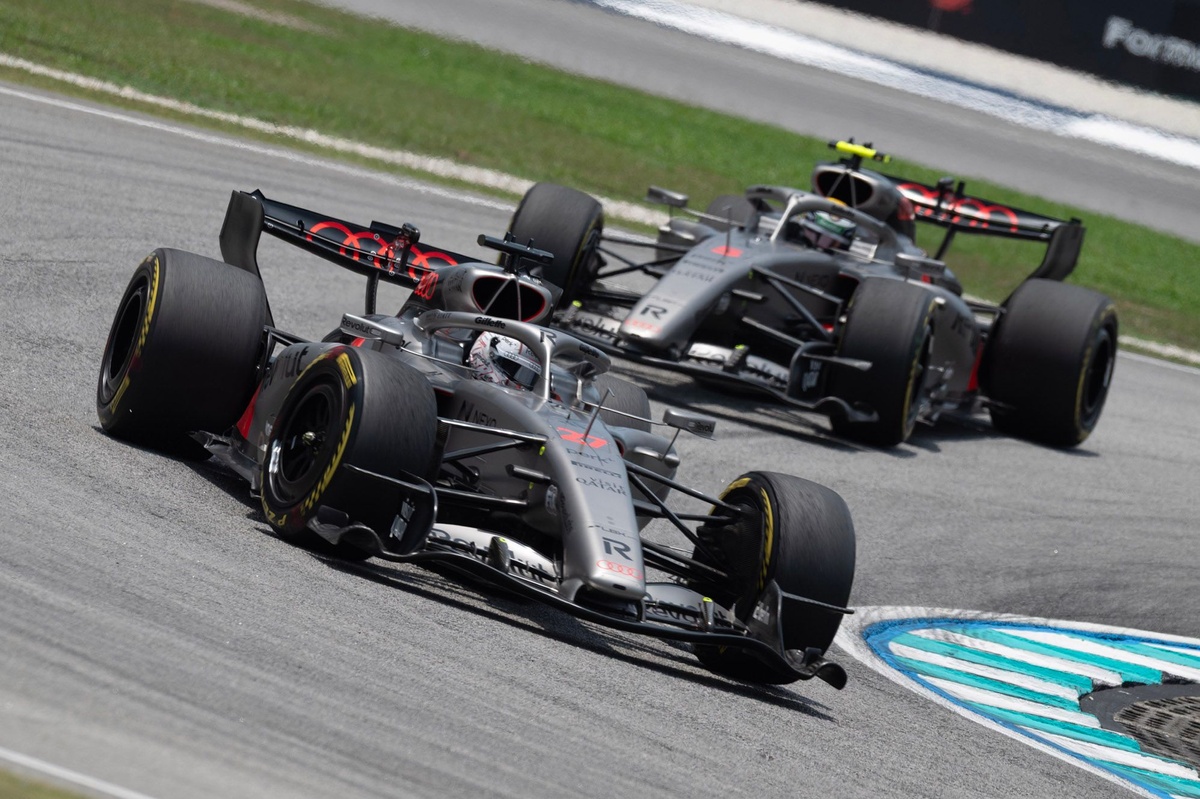
The Marina Bay Street Circuit in Singapore is theoretically a favorable layout for Audi. Under normal circumstances, Allan McNish's team would thrive on Formula 1 tracks that are less reliant on raw power, but this guideline doesn't always hold true in Asia.
While the power disparity between Audi and the leading engine makers may be less pronounced, drivers have indicated that an additional challenge is impacting Audi in the hot conditions of Malaysia and Singapore.
“We need to approach this with caution,” Nico Hulkenberg remarked during his media briefing on Thursday.
“The race in Malaysia revealed some new insights, and the weather conditions here are not particularly advantageous for our power unit right now. We faced some difficulties in that regard, and it seems to be more of the same here.”
Similar to Malaysia, the FIA has declared a heat hazard for the Singapore Grand Prix, forecasting temperatures of 31 degrees Celsius or higher. Consequently, Hulkenberg anticipates another tough weekend ahead.
“It’s definitely a circuit that should be less sensitive to power on paper, but my expectations at this moment are not particularly high,” the German driver stated.
When asked if the challenges were primarily due to cooling issues—given that Audi has had to modify its bodywork and thus sacrifice aerodynamic efficiency—Hulkenberg clarified that this is not the case.
Nico Hulkenberg, Audi
“No, I believe we are losing power.”
This indicates that Audi is struggling with engine performance in the intense heat, a sentiment echoed by teammate Gabriel Bortoleto.
“Yes, I would say that at this moment, particularly in the recent races, it’s our main limitation,” Bortoleto told Motorsport.com regarding the heat.
“What we have achieved in our first season is commendable. We just need to make further improvements to drivability and address the climatic conditions you mentioned, and that’s it.”
Nonetheless, Bortoleto is optimistic that Audi will make the necessary advancements and ultimately set the standard for engine performance in F1. His confidence is partly rooted in Audi's past successes in DTM and the 24 Hours of Le Mans.
“Do I trust them? Absolutely. I’m confident they can resolve these issues. The team in Neuburg has developed the best engines in other racing series they have participated in, and I have no doubt they will achieve the same in Formula 1.
“We just need to exercise patience. We can’t expect to arrive in Formula 1 in our first year and create the best vehicle ever. It would make the competition look... well, I could swear right now, but you get the idea!
“So we must be patient. I have faith in the team at Neuburg, and I believe they will deliver something exceptional.”
Audi gains insights into its significant upgrade package
Gabriel Bortoleto, Audi
While there are still improvements needed on the power unit front, the German-Swiss team has identified answers regarding the major upgrade package it rolled out in Baku.
The Baku City Circuit, primarily featuring 90-degree corners, did not provide a conclusive assessment, but following back-to-back testing in Malaysia, it has become evident that the upgrade marked a step forward.
“We concluded that it performed well. It worked quite effectively, just as we anticipated,” Bortoleto said.
“We made significant progress in all aspects—entry, mid, and exit of corners. There were many uncertainties following Baku due to a challenging weekend, questioning whether the upgrade worked, but now we can confidently say that it has functioned as intended and things are progressing positively.”
This highlights that Formula 1 teams often require time to fully comprehend major upgrades and maximize their performance. In Audi's situation, that understanding has now been achieved, as Hulkenberg confirmed when asked by Motorsport.com.
“Yes, we are definitely closer to grasping it. Our understanding improves with each session we complete. We explore different setup variations, analyze the delta to the map, and generally enhance our correlation between the track, wind tunnel, and CFD, so it’s encouraging.
“There may still be some elements to investigate and discover, but it’s unlikely we’ll gain another second from it or anything drastic.”
More from this section
“Outstanding issues” for Max Verstappen – Has Red Bull successfully addressed its vulnerabilities in Singapore?
Lewis Hamilton: Younger F1 competitors are becoming “increasingly cautious” when it comes to racing in wet conditions.
Isack Hadjar advocates for the prohibition of F1 cooling vests: "It should be challenging."
McLaren aims to address Lando Norris' expensive fuel system problem with adjustments to the power unit for the Singapore F1 race.
Lando Norris questions the thrill of the Singapore GP sprint: "I don't believe it is."