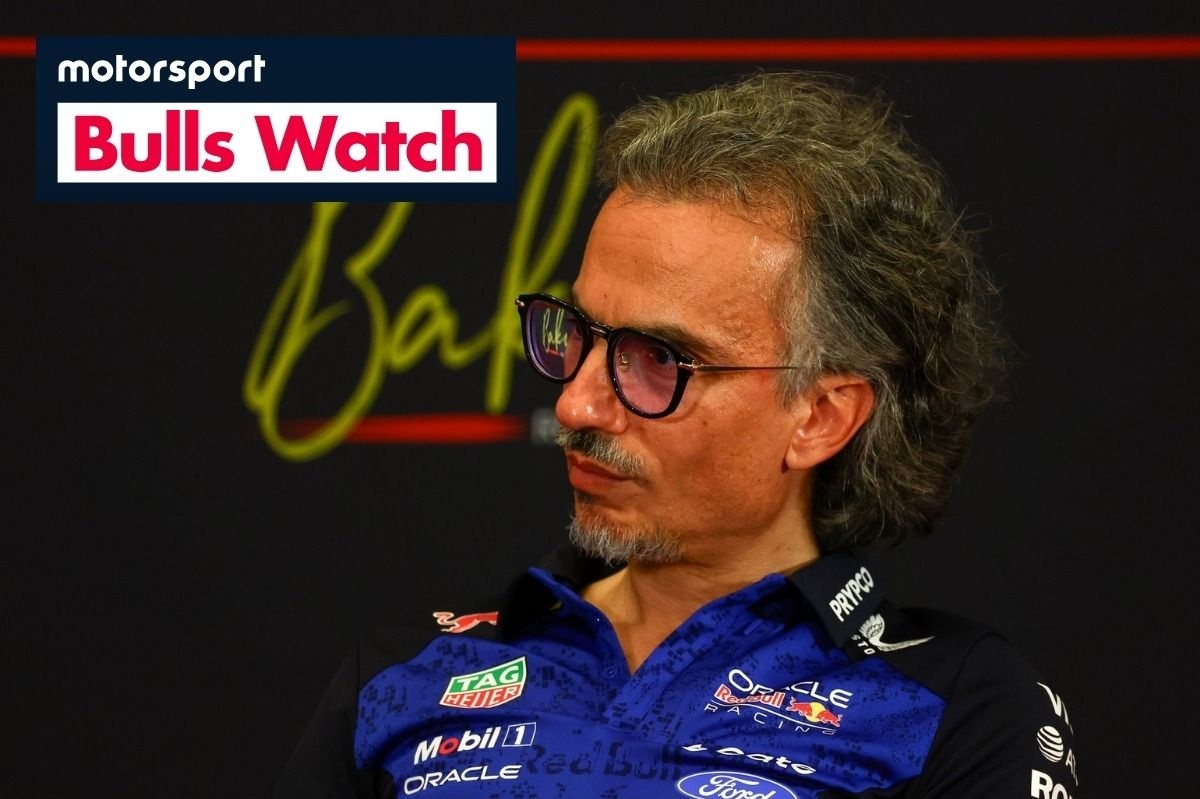
“Outstanding issues” for Max Verstappen – Has Red Bull successfully addressed its vulnerabilities in Singapore?
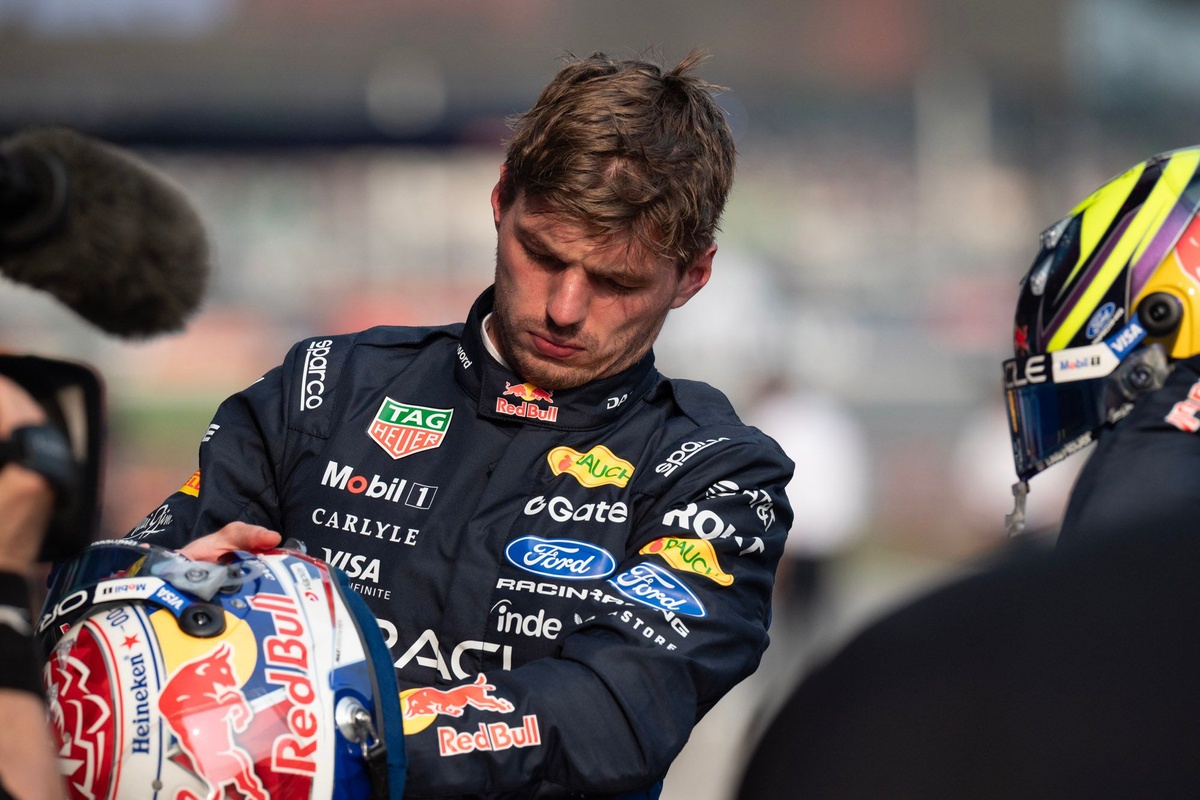
Among all the tracks on the current Formula 1 schedule, only two remain where Max Verstappen has yet to claim a victory: the Madring and the Marina Bay Street Circuit in Singapore. This is completely understandable for Madrid—after all, F1 made its debut at the newly constructed street circuit around IFEMA for the first time this year—but Verstappen is now gearing up for his 10th attempt to secure a win in Singapore.
The Dutch driver has reached the podium in Singapore on four occasions, yet a win continues to elude him. It's important to highlight that 2022 had the potential to be his breakthrough year. Verstappen was significantly ahead in the partially wet qualifying session but had to forgo his final run due to a fuel miscalculation by Red Bull.
For this reason, Verstappen admitted during Thursday's media day in the paddock that he still has 'unfinished business' in Singapore.
“In recent years, we have consistently struggled with low-speed corners and navigating the kerbs,” Verstappen stated when questioned about why the Singapore street circuit has historically been a weak point for Red Bull.
“This year's car is potentially more competitive in low-speed corners, but we still face challenges with bumps and kerbs. We recognize that.
“So, naturally, I have unfinished business here as I have yet to win the race. Every year, I return hoping to claim it, but we also need to be realistic. However, I am optimistic that we can be, let’s say, somewhat more competitive this year compared to previous years.”
Can the RB22 perform effectively after the Baku upgrade?
After achieving a double podium in Baku and securing their first victory of the year in Malaysia, Red Bull has reasons to feel hopeful. The significant upgrade package launched in Baku—also the final major enhancement for the RB22—seems to have made a substantial difference, although Verstappen emphasizes that its performance can differ from one circuit to another.
Max Verstappen, Red Bull Racing
“The updates will be beneficial, but some tracks naturally suit us better than others. In Baku, it was much cooler, making it more challenging to get the tyres warmed up. Malaysia was the complete opposite, and here we are again in a hot environment where the tyres do heat up, yet we still encounter our limitations.
“For me, this presents yet another contrast compared to what we experienced in Baku or Malaysia, but I am aware that other cars excel in low-speed corners, particularly on street circuits. Nonetheless, we aim to be competitive and, let’s say, in contention for the podium.”
In this context, alongside Mercedes, attention also shifts to Ferrari, which, according to Verstappen, handles bumps and kerbs exceptionally well and appears to be strong in slow corners.
Verstappen's teammate Isack Hadjar, however, is entirely confident that Red Bull can break its Singapore jinx this year, especially since the upgrade package has already shown effectiveness at two very different circuits.
“That's a good question. Based on my understanding of the car and this season, I see no reason why we shouldn't perform well on a track like this,” Hadjar remarked when asked by Motorsport.com about the balance between Red Bull's low-speed capabilities and its challenges with kerbs.
“If you look at the last two races, they were two completely different tracks—Baku and Sepang. They share nothing in common, yet the car performed well in both instances. So why not here? I guess we will find out tomorrow, just like you, but I’m hopeful for a positive outcome.”
Hadjar's confidence does not stem solely from Baku and Malaysia, but also from Verstappen's second-place finish in Madrid. According to Hadjar, this suggests that the RB22 might not be as ineffective over kerbs as initially feared.
Isack Hadjar, Red Bull Racing
“Honestly, even though I wasn't in the car in Madrid, it seemed like Max was quite strong in sector 1 with the large chicane. He managed to navigate that well, but it's still an area we want to enhance.
“I still feel that at times I experience ride limitations. This doesn't necessarily have to be over the kerbs; it can simply be a bumpy track unsettling the car. So yes, there are definitely still areas for improvement.”
Singapore sprint introduces extra hurdles
This weekend in Singapore, however, it won’t solely hinge on a car's outright peak performance. It's a sprint weekend with only one practice session, making execution essential for teams to optimize the car's potential in a limited time frame.
“Every year, we notice that during the day, grip diminishes. It's likely a bit tougher on the tyres, but the most crucial aspect is to establish a good balance with the car right from FP1. That will likely help us significantly for the rest of the weekend,” Verstappen said when discussing the challenges of a sprint weekend in Singapore.
“Driving during the day in a sprint as opposed to at night presents different challenges, but we also recognize that this track is notoriously difficult for overtaking. Therefore, at the end of the day, the key factor is qualifying—for both the sprint and the race, as that typically determines your finishing position.”
More from this section
Guenther Steiner criticizes Ferrari for their unwillingness to acknowledge errors in their Formula 1 strategy.
Isack Hadjar advocates for the prohibition of F1 cooling vests: "It should be challenging."
Lewis Hamilton: Younger F1 competitors are becoming “increasingly cautious” when it comes to racing in wet conditions.
McLaren aims to address Lando Norris' expensive fuel system problem with adjustments to the power unit for the Singapore F1 race.
George Russell: "Obvious choice" to use the former car as Mercedes divides specifications for Singapore.