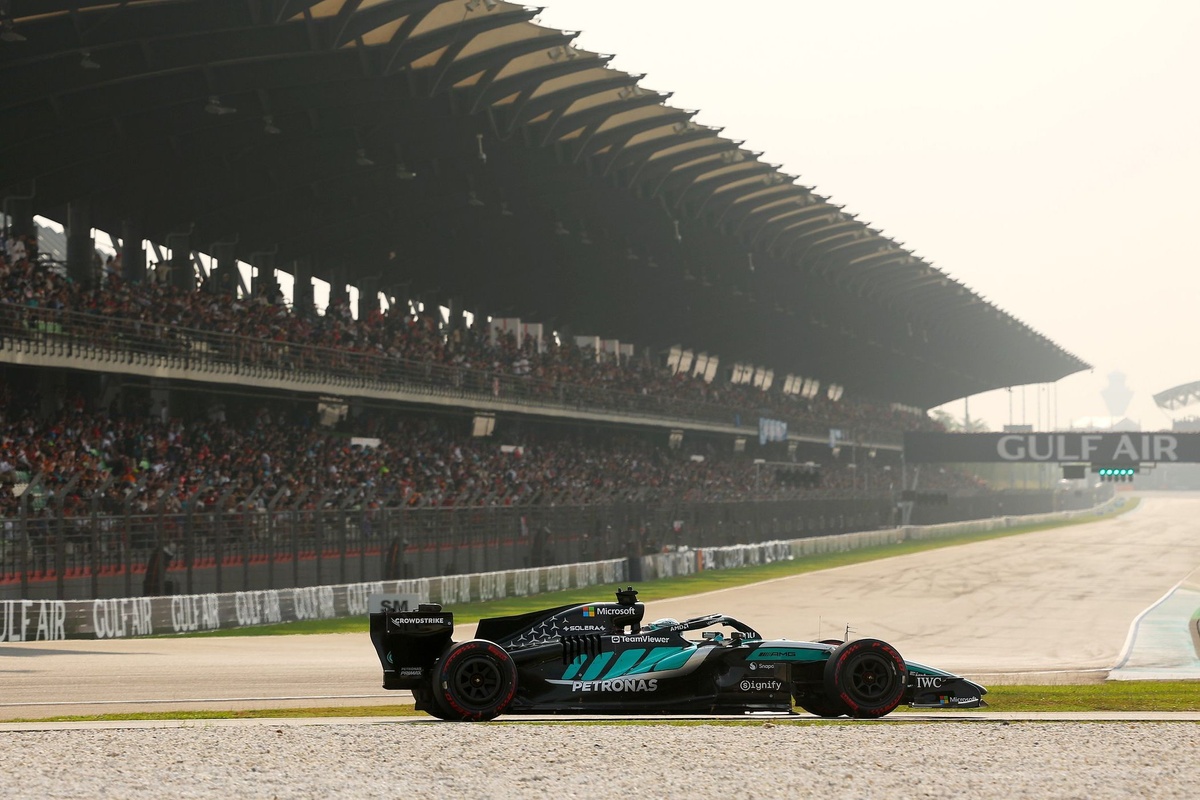
What’s the real story behind George Russell’s grievances regarding the FIA cooling vest?
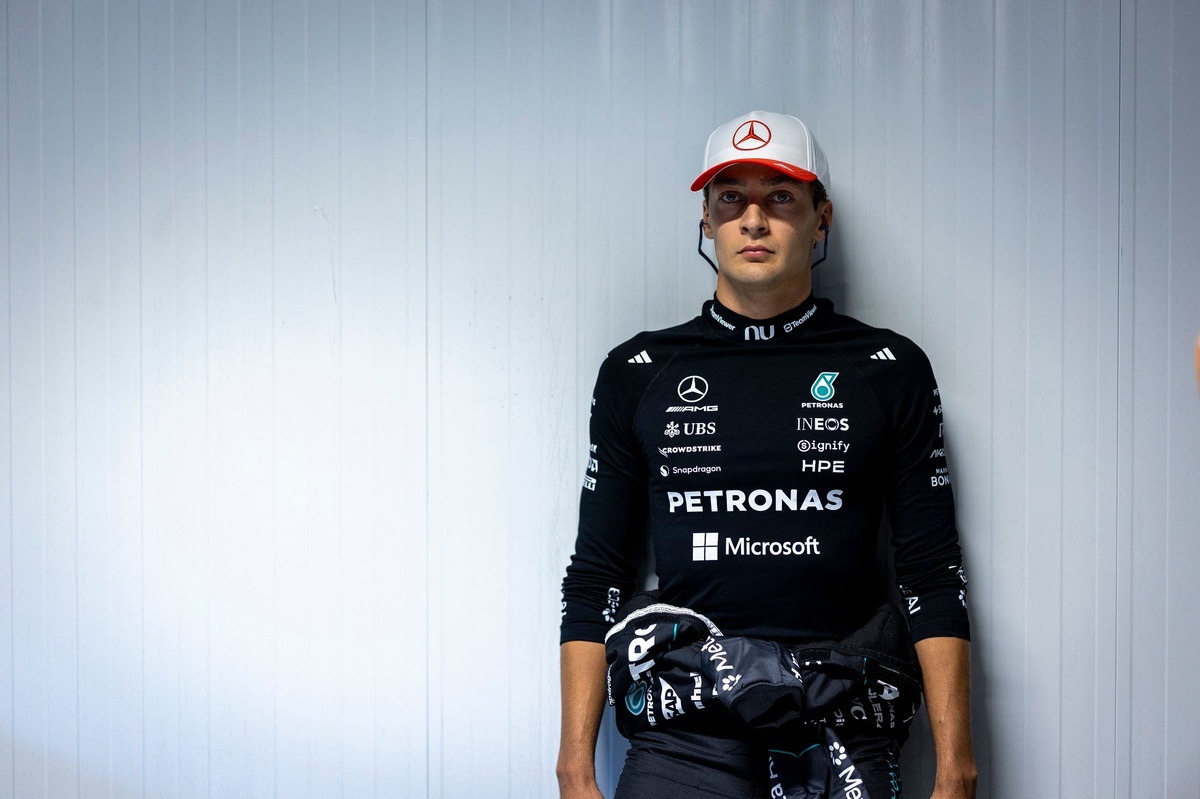
George Russell, the Mercedes Formula 1 driver, stirred some conversation by implying that the FIA should intervene to safeguard teams from their own decisions by promoting the use of cooling vests during hot races.
The issue of driver comfort in high temperatures gained attention during the 2023 Qatar Grand Prix, where several competitors showed signs of heat exhaustion during the Doha event, which took place in October before being rescheduled to a more temperate December date.
In response, the FIA, along with all F1 teams, undertook research to enhance the ventilation and cooling for drivers in such extreme situations. The outcome was a cooling vest that circulates water through a system of tubes, available for drivers in severe conditions.
The FIA designates a "heat hazard" at the beginning of a grand prix weekend when forecasted ambient temperatures for on-track sessions are expected to surpass 31C.
This weekend's Bahrain Grand Prix, unusually hosted in Malaysia, marks the third heat hazard of the 2026 season, with a fourth expected next weekend in nearby Singapore.
This prompted Russell to share that he would prefer to utilize a custom cooling solution, although his Mercedes team opted not to pursue its development.
Carlos Sainz, Scuderia Ferrari, dons a cooling vest in the garage
"We won’t be using the cooling vest because we haven’t invested the resources to make it sufficiently reliable," Russell remarked to The Times in Kuala Lumpur.
“When it functions well, it’s fantastic. So, I would like to wear it this week and next week. But the team told me…'look, we can develop it and allocate funds to it [but at the expense of performance]'.”
This is why Russell urged the FIA to step in and effectively shield teams from their own choices: “I think we need the FIA to come in and say, 'Here’s some additional budget in the cost cap,' or there’s an external company that could develop it for everyone, and you just contribute to it. Because we should all be utilizing it."
Some have interpreted this situation as Russell opposing his team or being compelled to endure the heat by his engineers, but the reality is somewhat more straightforward.
Initially, the FIA planned to mandate the use of cooling vests whenever a heat hazard was announced, but the standard vest didn’t gain much favor among drivers, with many believing it only provided a benefit for a limited number of laps before becoming more of a hindrance. Consequently, the vest remains optional, and drivers opting not to use it must add the corresponding 0.5kg of ballast to their car.
Teams are permitted to create their own solutions within certain parameters to enhance cooling efficiency and ergonomics. However, with a heat hazard declared only a few times a season, most teams do not consider it worthwhile to allocate engineering resources, especially as such conditions have not been as severe as those in Qatar 2023.
Logan Sargeant, Williams Racing
Thus, with a mandatory system largely dismissed by drivers, the FIA has opted to keep it optional, allowing teams to make their own choices. There seems to be little desire to revisit the debate.
As Russell expressed in his comments, any additional financial and human resources dedicated to infrequently used vests would detract from improving the performance of his W17 car.
Therefore, as Mercedes strives to maintain its edge against challenges from McLaren, Red Bull, and Ferrari, and with comfort being the main focus rather than outright safety concerns at this point, it is evident where the team's priorities lie.
More from this section
Max Verstappen and Lewis Hamilton capture attention online following a heartwarming incident at Sepang during the F1 event.
McLaren shares a "touching" moment featuring Oscar Piastri and a young supporter at Sepang.
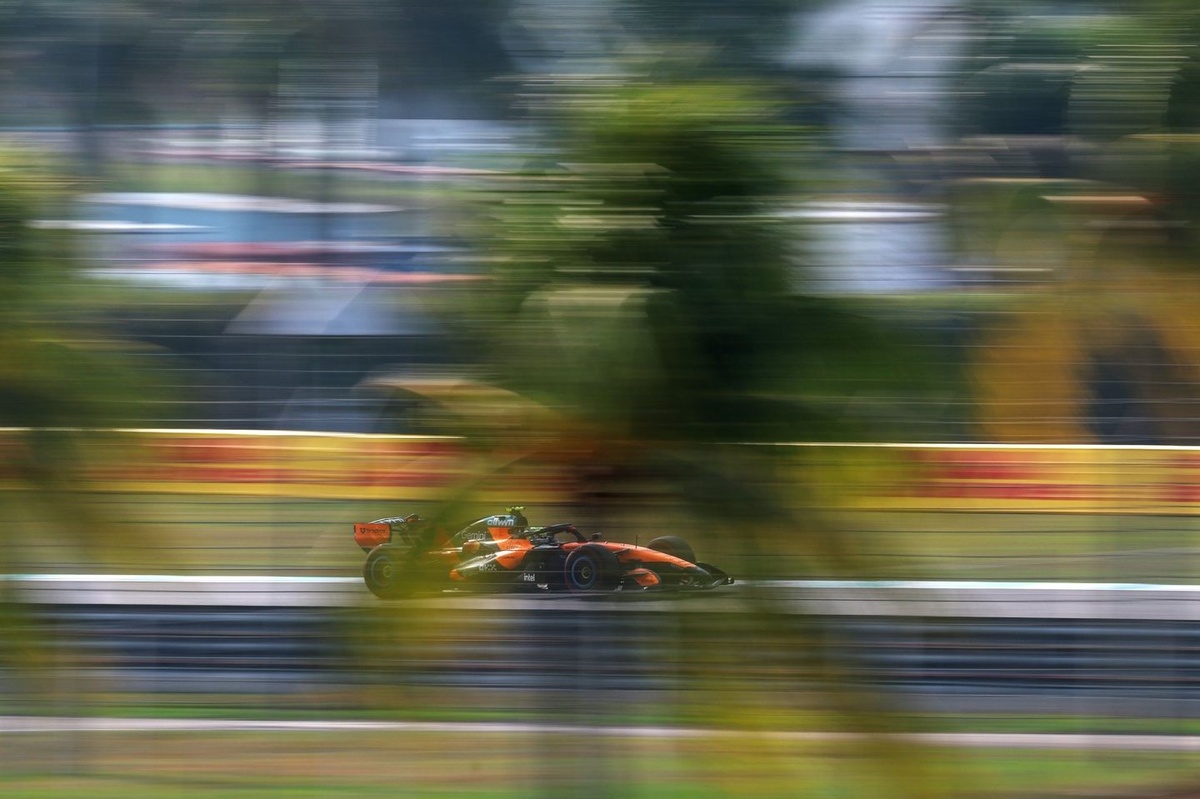
Andrea Stella discusses the ongoing straight-line speed challenges faced by Lando Norris following the Bahrain GP qualifying session.
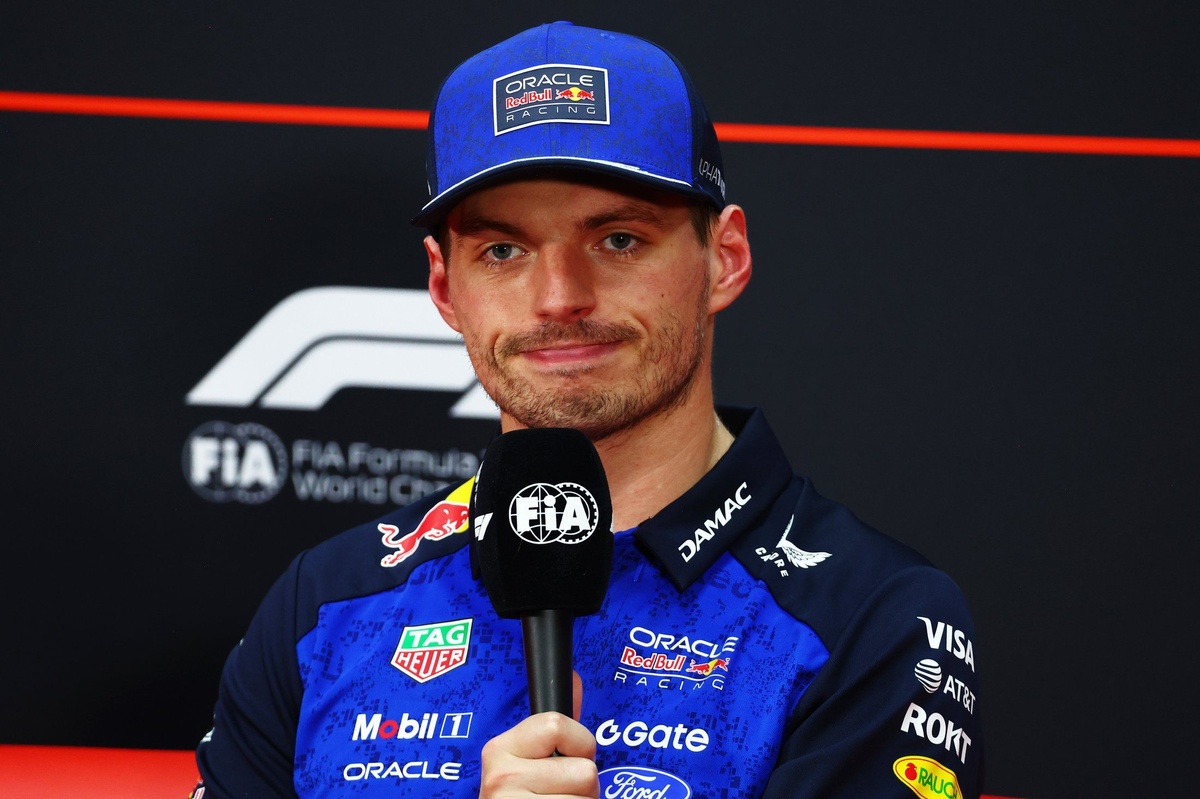
Max Verstappen reacts to George Russell: "Perhaps I should bring him to the sauna!"
Max Verstappen issues a Red Bull advancement statement with a foreboding alert about Malaysia.