Why Nigerian Players Move to European Clubs: The Full Story
The Core Motivations: Why Europe Remains the Destination
The average NPFL player earns between modest monthly wages that pale against even lower-tier European contracts. A journeyman professional in Nigeria's top flight might secure the equivalent of a few hundred dollars monthly, while a similar player entering the Belgian Pro League or Portuguese Primeira Liga commands salaries measured in thousands of euros per month. This economic reality underpins the migration pattern that has defined Nigerian football for three decades.
Beyond immediate income, European clubs offer professional infrastructure that accelerates career trajectories. Training facilities feature video analysis suites, dedicated sports science departments, and coaching staffs with UEFA Pro Licenses. These resources translate directly into player development—better tactical education, injury prevention protocols, and performance data that Nigerian clubs cannot consistently provide due to funding constraints.
Visibility matters for international careers. Players competing in the Premier League, Serie A, or Bundesliga appear regularly on global broadcasts, making Super Eagles selection more likely. National team coaches can monitor form week-to-week through accessible footage and data. Domestic-based players face a visibility deficit regardless of talent, as NPFL matches receive limited international coverage.
Long-term financial security drives decisions as much as immediate wages. A five-year European contract, even at modest clubs, can generate wealth that supports extended families and creates post-career stability. The gap between staying domestic and moving abroad represents not just career advancement but generational economic mobility.
Economic Reality: The salary differential between NPFL and European leagues represents not just better pay, but often a 10-20x increase in monthly income for comparable playing levels.
Financial Reality: The Wage and Transfer Fee Economics
While precise 2026 NPFL salary data remains difficult to verify publicly, historical patterns show Nigerian top-flight players typically earn monthly wages in the lower hundreds of dollars to low thousands for star players. Entry-level contracts in Belgium's second tier or Portugal's lower divisions start at several thousand euros monthly—a multiple of domestic earnings even before accounting for signing bonuses and performance incentives.
Transfer fees create immediate financial impact for players and families. When a Nigerian club sells a prospect to a European team, the player often receives a percentage through solidarity payments or direct negotiation. Even modest transfers in the tens of thousands of euros can represent years of NPFL wages delivered as lump sums, enabling property purchases, family support, and investment opportunities unavailable through domestic contracts.
The Turkish Super Lig and Belgian Pro League serve as common entry points, offering contracts that transform economic circumstances. A three-year deal worth several hundred thousand euros total provides security that domestic football cannot match. Players support extended family networks, fund siblings' education, and build assets that outlast playing careers.
Contract structures in Europe include provisions rare in Nigerian football: performance bonuses tied to appearances and results, image rights payments, and pension contributions. These elements compound the base salary advantage, creating comprehensive financial packages that make European moves economically rational even when sporting opportunities might exist domestically.
Transfer Economics: Even lower-tier European moves typically offer 5-10x the annual earning potential of NPFL contracts, with added benefits like housing, healthcare, and performance bonuses.
| League/Level | Typical Monthly Range | Additional Benefits |
|---|---|---|
| NPFL (Top Clubs) | Lower-tier domestic wages | Limited structured benefits |
| Belgian Pro League (Lower Teams) | Mid-range European entry salary | Housing, healthcare, bonuses |
| Portuguese Primeira Liga | Competitive European wages | Full professional package |
| Turkish Super Lig | Higher European compensation | Comprehensive benefits |
Career Development: Infrastructure and Professional Growth
European club academies and first-team environments provide development infrastructure that creates measurable performance gaps. Training grounds feature dedicated video analysis rooms where coaches review matches with players using tactical software. Sports science departments monitor workload, sleep patterns, and nutrition through data platforms that inform daily training adjustments. These systems exist at clubs across European divisions, not just elite teams.
Coaching quality reflects investment and education standards. UEFA Pro License courses require hundreds of hours and practical assessments that exceed CAF coaching certification demands. The result shows in tactical periodization—structured training cycles that balance physical load with technical work, reducing injury risk while optimizing performance. Nigerian clubs often lack the staff numbers to implement such programs consistently.
Medical and injury prevention protocols represent another development advantage. European clubs employ physiotherapists, osteopaths, and rehabilitation specialists who work from baseline fitness data collected throughout seasons. Players receive individualized injury prevention programs based on movement analysis and workload monitoring. NPFL clubs typically operate with smaller medical staffs managing larger squads, limiting personalized attention.
Exposure to UEFA competitions accelerates tactical education. Players face varied systems and higher-intensity matches that demand adaptation. The competitive standard in European leagues, even outside top divisions, exceeds most CAF competitions due to squad depth and tactical organization across teams. This environment forces development through consistent challenge.
- Video analysis systems: Post-match review software and tactical databases for opponent preparation
- Sports science integration: GPS tracking, heart rate monitoring, and workload management platforms
- Nutrition programs: Individualized meal plans and supplementation based on performance data
- Injury prevention: Movement screening, strength and conditioning specialists, and rehabilitation protocols
- Tactical education: Structured coaching with position-specific development and system flexibility training
Exposure and National Team Pathways
Playing in European leagues significantly increases a Nigerian footballer's chances of Super Eagles selection. National team coaches consistently favor Europe-based players when assembling squads for FIFA World Cup qualifiers and AFCON tournaments, citing the higher competitive level and tactical sophistication of European football.
The pattern is reinforced by practical scouting considerations. Technical staff can more easily monitor players competing in widely televised European leagues than those in domestic competitions with limited broadcast coverage. Match footage, performance data, and opponent quality are all more accessible when evaluating Europe-based candidates.
This creates a reinforcing cycle for players who make the move. A Nigerian midfielder playing in a European league gains visibility to Super Eagles selectors, earns call-ups for international fixtures, and subsequently sees his market value rise due to national team exposure. The international appearances then justify higher wages and transfer fees, further cementing the Europe-based pathway as the preferred route.
In recent Super Eagles squads for major tournaments, Europe-based players have consistently comprised the majority of call-ups, with domestic league representatives typically limited to a handful of positions.
The competitive intensity of European leagues also provides the preparation national team coaches seek. Players accustomed to facing top-level opposition weekly are considered better equipped for the demands of international tournament football.
The Primary Pathways: NPFL to Europe
The Nigerian Professional Football League remains the most established scouting ground for European clubs seeking Nigerian talent. Scouts monitor the domestic competition throughout the season, with particular attention paid to clubs that qualify for continental tournaments.
CAF Champions League and CAF Confederation Cup fixtures serve as critical showcases for NPFL players. These matches provide European scouts with direct comparisons between Nigerian talent and opposition from other African leagues, offering a more reliable evaluation framework than domestic fixtures alone. The higher stakes and increased tactical demands of continental competition reveal which players can handle pressure and adapt to varied playing styles.
Clubs with consistent continental participation attract disproportionate scouting attention. Enyimba, with its established continental pedigree, regularly sees players monitored by European networks. Rivers United and Remo Stars have similarly drawn scout interest during periods of CAF competition involvement. More recently, Ikorodu City's emergence has added another club to the scouting circuit.
The pathway typically follows a pattern: strong domestic performances earn continental competition places for clubs, those matches attract European scouts, standout individuals receive trial invitations or contract offers. The process concentrates opportunity among a relatively small number of NPFL clubs at any given time.
Key factors that make the NPFL pathway viable:
- Established scouting networks with regular Nigerian presence
- Continental competition fixtures broadcast internationally
- Lower transfer fees compared to other African leagues
- Regulatory frameworks that facilitate international transfers
- Historical success stories that maintain European club interest
Alternative Routes: Academies, Agents, and Direct Trials
Beyond the NPFL pathway, Nigerian players pursue European moves through academy partnerships, agent representation, and direct trial opportunities. These routes carry varying success rates and significant risks alongside legitimate possibilities.
Academy partnerships between Nigerian institutions and European clubs create structured pathways for young players. The NPFL-La Liga partnership represents one such initiative, designed to facilitate talent identification and development exchanges. European clubs also maintain direct academy relationships in Nigeria, scouting players before they reach professional level.
Player agents serve as intermediaries, connecting Nigerian talent with European opportunities. Legitimate agents provide valuable services including contract negotiation, club introductions, and career guidance. However, the industry also harbors predatory operators who charge upfront fees for nonexistent opportunities or exploit young players with unfavorable contract terms.
Data analysis platforms have emerged as modern scouting tools, allowing players to showcase statistics and match footage to European clubs remotely. These platforms reduce geographical barriers but require players to compete at levels where performance data is systematically collected.
Direct trial opportunities occur when European clubs invite players for assessment periods, though these are typically extended to players already identified through other channels rather than unsolicited applicants.
Alternative pathway considerations:
- Academy partnerships offer structured development but limited places
- Agent representation requires careful vetting to avoid exploitation
- Trial invitations rarely materialize from unsolicited applications
- Upfront payment requests for trials or agent services are typically fraudulent
- Digital platforms work best for players already competing at visible levels
The prevalence of fake academies and fraudulent agents means families often invest significant sums pursuing opportunities that do not exist. Legitimate pathways do function, but distinguishing them from exploitation schemes requires careful research and skepticism toward promises that require upfront payment.
Target Leagues and Clubs: Where Nigerian Players Actually Move
Nigerian players moving to Europe typically land in mid-tier leagues rather than the elite competitions. The Belgian Pro League, Portuguese Primeira Liga, and Turkish Super Lig serve as primary destinations, offering competitive football, reasonable wages, and pathways to bigger clubs.
Belgium has become the most common first European destination. Clubs like Genk, Gent, and Club Brugge regularly scout Nigerian talent, offering structured development environments and visibility to scouts from larger leagues. Portugal follows a similar pattern, with clubs outside the traditional big three providing entry points for African players.
The Championship in England attracts Nigerian players who have already proven themselves in other European leagues. Germany's second tier and Scandinavian leagues also feature regularly in transfer patterns, particularly for players aged 20-24 seeking consistent playing time.
| League | Typical Entry Point | Next Step |
|---|---|---|
| Belgian Pro League | Direct from NPFL or academies | Bundesliga, Serie A, Premier League |
| Portuguese Primeira Liga | Ages 18-21, promising talent | Premier League, La Liga |
| Turkish Super Lig | Mid-career moves | Top-five league clubs |
| Championship | After European experience | Premier League promotion |
Elite clubs like Real Madrid, Manchester City, and Bayern Munich rarely sign directly from Nigeria anymore. The stepping-stone model dominates: a Nigerian player moves to Belgium or Portugal, performs consistently for two to three seasons, then attracts interest from Serie A, Bundesliga, or Premier League clubs. This pattern reflects both the risk management strategies of elite clubs and the development gaps Nigerian players must bridge after leaving domestic football.
The Elite Club Gap: Why Top European Clubs Look Elsewhere
The pathway from Nigeria directly to clubs like Manchester City, Bayern Munich, or Barcelona has effectively closed. Elite clubs now demand complete developmental packages that Nigerian systems struggle to provide consistently.
Top European clubs require players who arrive with tactical sophistication, positional discipline, and mental resilience developed through years of structured youth coaching. Nigerian players often possess raw talent and physical attributes but lack the systematic tactical preparation that academies in Spain, Germany, and France provide from age seven onwards.
The competition has intensified. South American academies in Argentina and Brazil offer similar talent pools with better infrastructure and established scouting relationships. West African rivals like Senegal and Ivory Coast have invested in academy systems that produce more tactically refined products. Elite clubs can source talent from these markets with less developmental risk.
The gap is not in individual talent but in the systems that shape players before they arrive in Europe. A talented 18-year-old from Nigeria may have the same physical gifts as one from Barcelona's La Masia, but the Spanish player has ten years of positional training, tactical education, and professional habits already embedded.
Arsenal and Liverpool occasionally sign Nigerian talent, but typically players who have already proven themselves in secondary European leagues. The direct route from Lagos to London no longer exists for most players. Elite clubs cannot afford the time required to teach fundamental tactical concepts to players in their early twenties.
Systemic Challenges: What Holds Nigerian Players Back
Infrastructure deficits undermine Nigerian player development long before European scouts arrive. Grassroots football operates without consistent coaching standards, proper facilities, or structured competition frameworks. Most young players develop skills informally, missing the systematic technical and tactical education that European counterparts receive from childhood.
Coaching quality remains inconsistent across Nigerian football. The NFF's coaching education programs produce qualified instructors, but implementation at grassroots and academy levels varies dramatically. Many youth coaches lack updated methodologies, focusing on physical attributes while neglecting positional awareness, decision-making, and game intelligence.
Player management and career planning present additional obstacles. Young Nigerian players often lack professional guidance when evaluating European offers. Agents without proper credentials promise unrealistic opportunities, leading players to sign with inappropriate clubs where they fail to develop or even play. Early moves to the wrong European destinations can derail promising careers.
Key systemic barriers include:
- Inadequate grassroots infrastructure and organized youth competitions
- Limited access to qualified coaching at developmental ages
- Weak career guidance and player management systems
- Administrative challenges within Nigerian football governance
- Poor talent identification and tracking mechanisms
- Insufficient investment in academy facilities and coaching staff
The NPFL pathway to continental competition remains functional, allowing players to showcase abilities against African opposition. However, the domestic league cannot compensate for developmental gaps created earlier in players' careers. Addressing these systemic issues requires coordinated investment in youth structures, coaching education, and administrative reform across Nigerian football.
Transfer Market Realities: Fees, Timing, and Negotiations
The commercial mechanics of Nigerian-to-Europe transfers operate within predictable parameters. Transfer fees for NPFL players typically range from nominal amounts to mid-six figures in euros, with exceptional talents commanding higher valuations. Contract structures vary: permanent deals with sell-on clauses, loan agreements with purchase options, and outright transfers with release clauses built in for future moves.
Overpricing kills deals. European clubs shopping in the Nigerian market have alternatives across Ghana, Senegal, Ivory Coast, and other African leagues. When an NPFL club demands fees disconnected from market reality, scouts simply move to the next prospect. Successful negotiations recognize this competitive landscape.
Timing matters significantly. The summer transfer window sees substantially more Nigerian-to-Europe activity than January. European clubs conduct pre-season scouting, have larger budgets after annual planning, and offer arriving players time to adapt before competitive fixtures intensify. The January transfer window typically serves clubs addressing urgent squad gaps or players whose continental performance has generated immediate interest.
Summer transfer windows consistently account for the majority of Nigerian player moves to Europe, with January serving primarily as a correction window for clubs with immediate needs.
Contract negotiations increasingly include performance-based clauses, sell-on percentages for Nigerian clubs, and structured payment schedules. These mechanisms spread financial risk while giving NPFL clubs ongoing stakes in player development. Market value fluctuates with continental performance, international caps, and positional demand in European leagues.
Recent Transfer Examples: Nigerian Moves in 2025-2026
Recent transfer activity demonstrates the variety of pathways Nigerian players take to European football. Victor Osimhen moved to Galatasaray, representing the established international relocating within European leagues. Wilfred Ndidi continues at Leicester, exemplifying the long-term Premier League presence some Nigerian players achieve. Samuel Chukwueze plays for AC Milan, showing the pathway to elite Italian clubs.
Mid-tier moves illustrate more common trajectories. Tolu Arokodare joined Eintracht Frankfurt in the Bundesliga, while Christantus Uche moved to Getafe in La Liga. Raphael Onyedika established himself at Club Brugge in Belgium before interest from larger leagues emerged. These transfers represent the stepping-stone model: prove yourself at accessible European clubs, then move upward.
The Turkish league attracts significant Nigerian talent beyond Osimhen. Besiktas and other clubs offer competitive wages, European competition opportunities, and visibility to scouts from wealthier leagues. English clubs maintain steady interest: Fulham and Wolves have recent Nigerian connections, though specific current transfer details vary by season.
| Player Type | Typical Destination | Transfer Structure |
|---|---|---|
| NPFL breakthrough talent | Belgian, Dutch, Portuguese second-tier clubs | Permanent with sell-on clause |
| Established domestic star | Turkish, Belgian, French mid-table clubs | Permanent or loan-to-buy |
| International with caps | Top-five league mid-table clubs | Permanent with release clause |
Transfer types reflect risk management. Loan deals with purchase options allow European clubs to assess players before committing large fees. Permanent deals with performance bonuses align incentives. Release clauses give players exit routes if they outgrow their clubs.
What Players Can Control: Actionable Steps
While systemic factors shape the landscape, individual players retain agency over career decisions that affect European transfer probability. These actions maximize visibility and readiness when opportunities arise.
Strategic club selection matters more than immediate wages. Choosing NPFL clubs with consistent CAF competition access provides the high-visibility platform European scouts prioritize. A player earning slightly less at a club competing in continental tournaments gains more exposure than one earning more at a mid-table domestic side.
- Prioritize clubs with recent CAF Champions League or Confederation Cup participation
- Maximize consistent playing time over sitting on the bench at a marginally better club
- Perform in continental matches—these fixtures draw concentrated European scouting attention
- Maintain professional conduct: disciplinary records follow players across borders
- Choose representation carefully—agents with established European club relationships open more doors
- Pursue national team call-ups aggressively through consistent domestic performance
Performance consistency trumps occasional brilliance. European clubs value reliability: players who deliver week after week across a full season, not those with highlight reels from three matches. Physical conditioning, tactical discipline, and mental consistency separate prospects who secure moves from those who remain perpetually "promising."
These steps increase probability, not certainty. The transfer market involves factors beyond individual control—club needs, budget cycles, work permit regulations, competing prospects. But players who maximize what they control position themselves advantageously when opportunities emerge.
Frequently Asked Questions
Why do Nigerian footballers want to play in Europe?
Nigerian players move to Europe primarily for financial reasons, with salaries in even mid-tier European leagues often several times higher than those in the Nigeria Professional Football League. European clubs offer better infrastructure, coaching standards, and training facilities that accelerate career development. Playing in Europe also increases visibility to national team selectors and provides long-term financial security for players' families through higher earnings and potential transfer value growth.
Which European leagues sign the most Nigerian players?
Belgium, Portugal, Turkey, and lower-tier English leagues represent the primary destinations for Nigerian players moving to Europe. These leagues serve as stepping stones in a development pathway, with players proving themselves before potential moves to elite clubs in top-five leagues. Direct transfers to clubs like Real Madrid or Manchester City remain rare, with most Nigerian players building their European careers through gradual progression across multiple leagues.
How do European clubs scout Nigerian players?
European clubs monitor the NPFL closely, with particular attention to teams competing in CAF Champions League and CAF Confederation Cup matches. Scouts rely on established agent networks, formal academy partnerships with Nigerian clubs, and data analysis platforms to identify talent. Direct observation at continental tournaments provides additional opportunities for clubs to assess players in competitive international settings.
Why don't Nigerian players join elite clubs like Real Madrid or Manchester City anymore?
Elite European clubs require complete technical, tactical, and physical packages that systemic development gaps in Nigerian football currently make difficult to produce consistently. Weaknesses in grassroots infrastructure, tactical education, and training facilities mean Nigerian players often face competition from markets with better-structured development systems. Top clubs increasingly source talent from academies and leagues that provide more comprehensive player development from early ages.
What is the best pathway from Nigeria to European football?
Performing consistently in the NPFL with clubs competing in CAF competitions represents the most reliable pathway to European football. Regular playing time in continental matches provides visibility to European scouts and demonstrates ability against varied opposition. Players who establish themselves in CAF tournaments create the strongest cases for European transfers.
How much do Nigerian players earn in Europe compared to the NPFL?
Nigerian players typically earn several times their NPFL salaries when moving to European clubs, even in mid-tier leagues. The exact salary multiples vary by league, club, and individual contract terms, though specific comparative figures for current wage structures require detailed market data. The financial differential remains a primary driver of player movement from Nigeria to Europe.
More from this section

Super Falcons Defender Inks Fresh Three-Year Deal With AS Roma
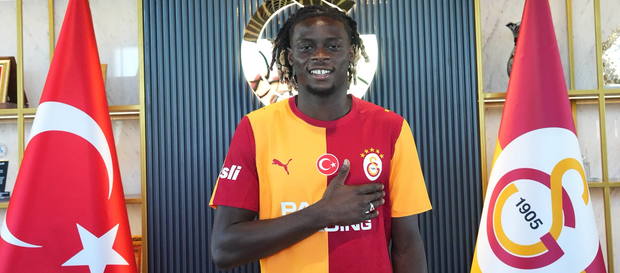
Confirmed Transfer: Ugochukwu Signs With Galatasaray On Loan

Agreement Reached: Swedish Team IFK Göteborg Acquires Nigerian Talent

‘It Was Challenging’ — Nwabali’s Representative Discusses Goalkeeper’s Hiatus from Football