Before the match kicks off, Gaza adds excitement to the clash between Ireland and Israel.

The upcoming matches between Ireland and Israel have become more than just a game result or group standings in the UEFA Nations League. Ahead of the two highly anticipated fixtures, the repercussions of the Gaza war have reached the Irish national team, placing players and the football association at the center of a growing political and sporting controversy.

A Message from 163 Athletes
Protests have extended beyond football fans, as 163 Irish athletes signed an open letter urging the national team not to play the two matches.
The list of signatories includes names from various sports, such as runner Ciara Mageean and former Irish national team player Louise Quinn.
The signatories pointed out that players find themselves in a complicated position due to the decision by the Irish Football Association and UEFA to hold the matches, but they urged them to take a stand and refuse to play.
Meanwhile, protesters gathered outside the hotel where the Irish team is staying in Dublin, calling for a boycott of the matches in protest against Israeli military operations in Gaza.
Last November, members of the Irish Football Association voted overwhelmingly to urge the board to seek the suspension of the Israeli association's membership and prevent it from participating in European competitions, but UEFA rejected the request.
The Irish Football Association also requested that its team and Israel not be drawn together in future draws. UEFA responded that decisions regarding the separation of teams are considered individually and primarily depend on security risks associated with direct conflicts between the countries involved.
Players Feel Uneasy
Irish national team coach Heimir Hallgrimsson acknowledged that the players do not feel comfortable about playing the matches.
He stated that he spoke with team members individually to hear their views before everyone agreed to represent the national team and maintain its unity.
However, the coach sparked controversy when he mentioned that his team would play ""against genocide"", referring to Israeli operations in Gaza.
The Israeli Football Association responded by accusing Hallgrimsson of ignorance and hypocrisy, emphasizing that the team is focused on its sporting preparations.
Israel denies the accusations of committing genocide, asserting that its operations target Hamas.
Why Did Ireland Choose to Play?
Despite its stance calling for the suspension of Israel's participation, the Irish Football Association decided to proceed with the matches. This decision stems from concerns over potential sporting and financial sanctions, as well as the possibility of points from the two matches being awarded to Israel if the Irish team withdraws.
The association is also worried that refusing to play could have repercussions on Ireland's position as one of the host countries for the Euro 2028 tournament.
Thus, the two matches will take place away from the teams' home grounds and under fan restrictions, but they will not be isolated from public sentiment. These protests, the open letter, and the exchanged statements have turned the fixtures into a new test of the ability of sports institutions to separate football from the surrounding conflicts.
More from this section
Al Masry has decided to postpone training at the new stadium until all necessary preparations are completed.
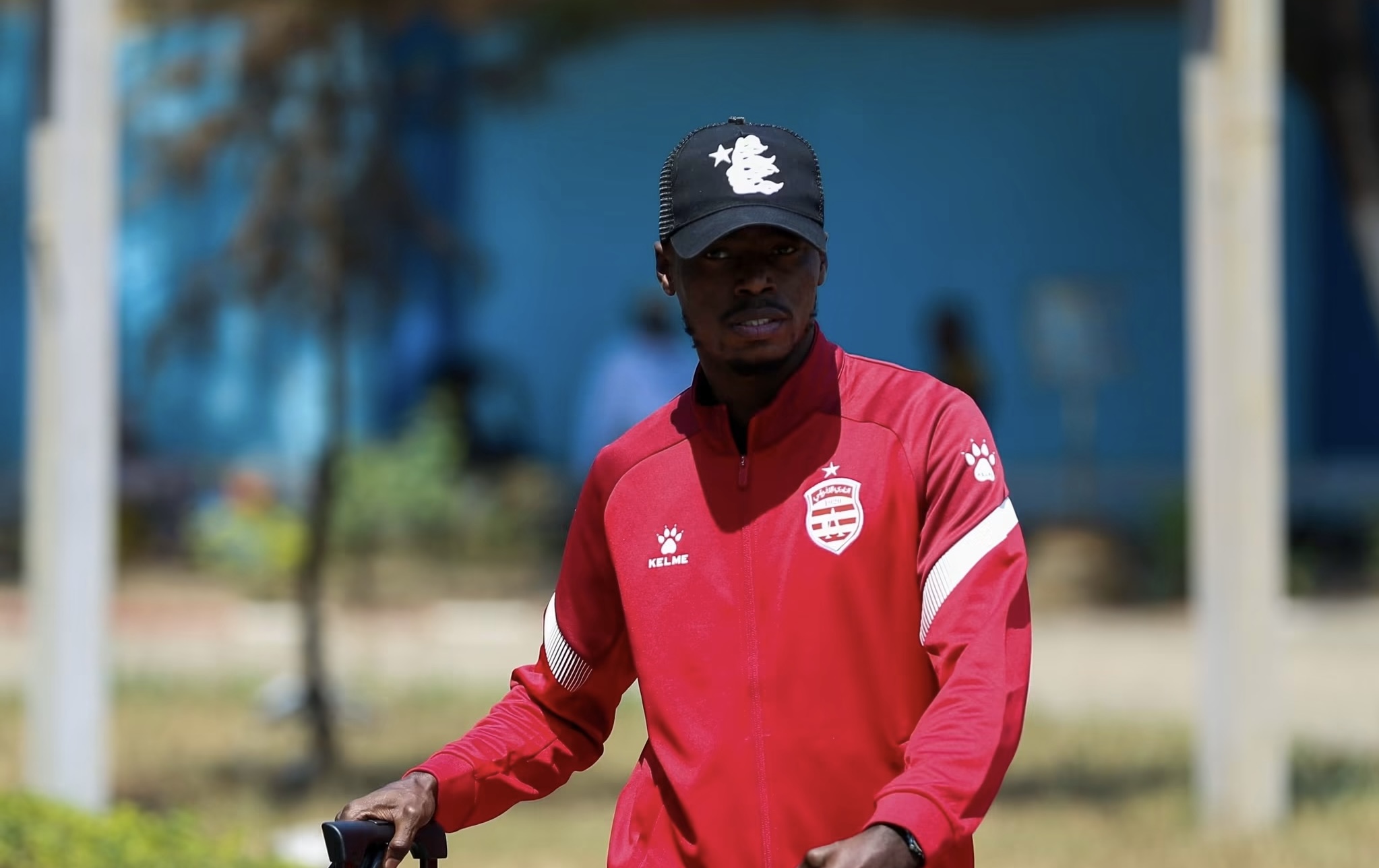
CAF Champions League: Philippe Kinzumbi returns to Lubumbashi... wearing the colors of Club Africain!
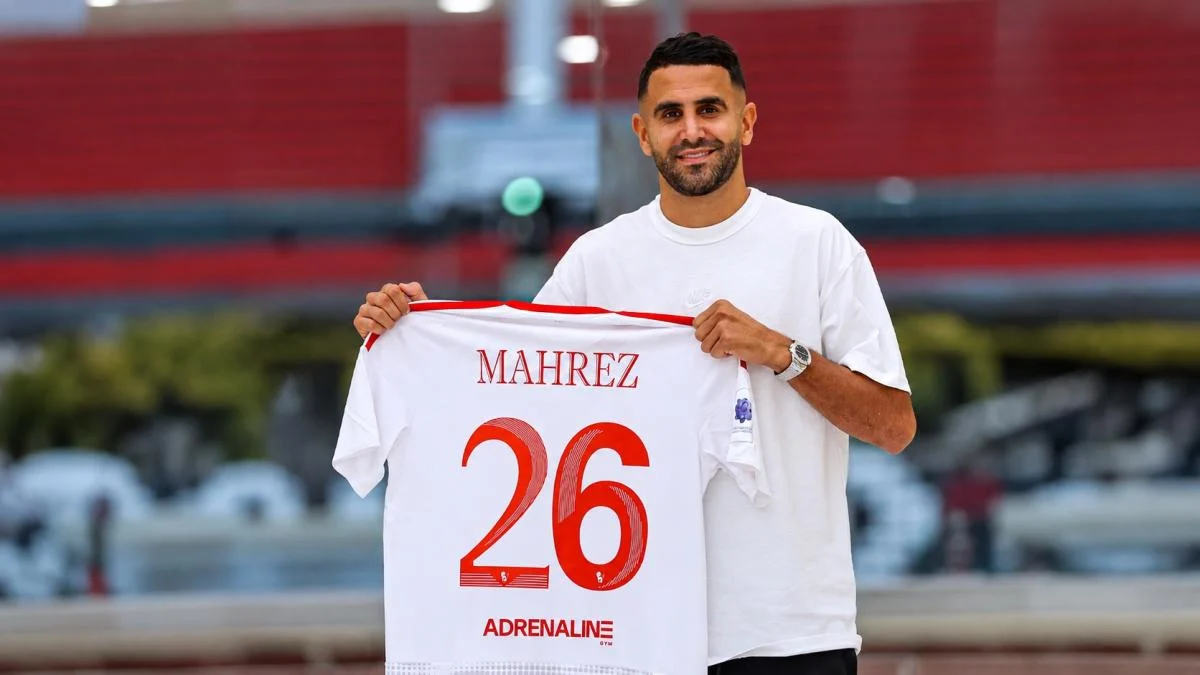
Qatar: Riyad Mahrez set to make his debut?
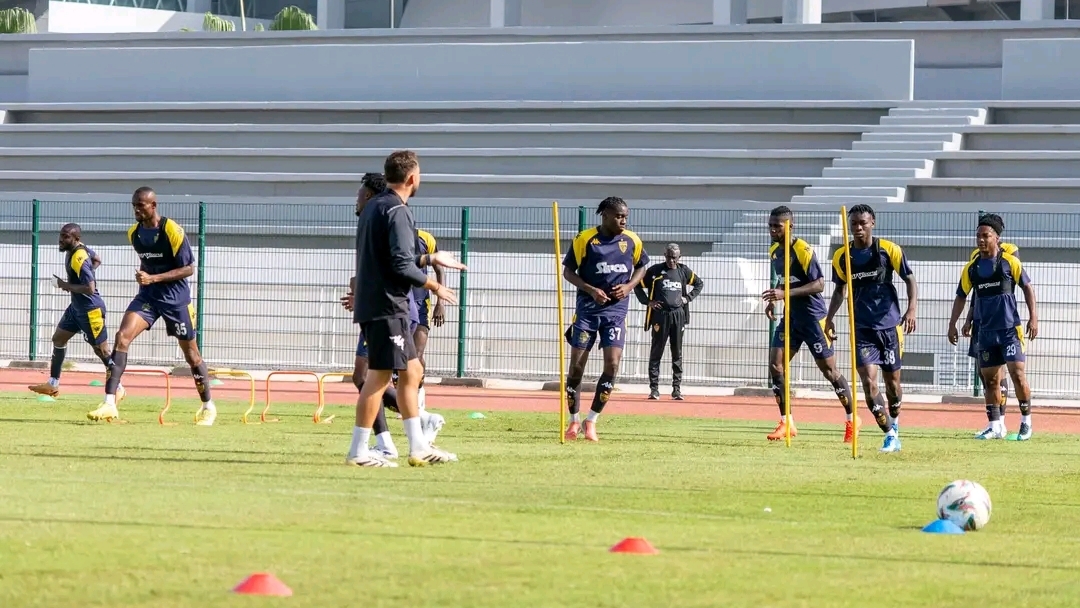
CAF Champions League: ASEC Mimosas faces MAS Fès in Morocco.
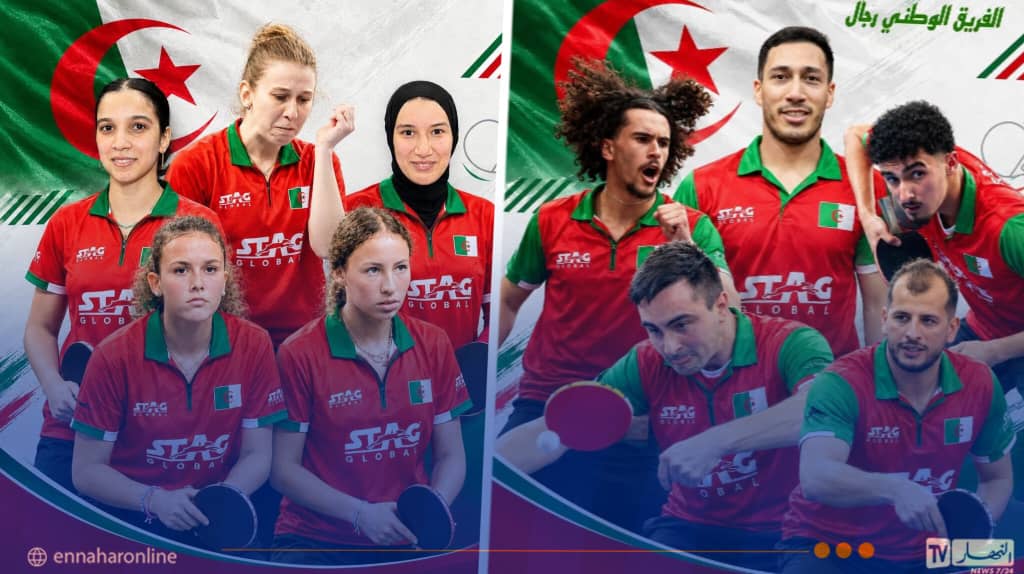
The table tennis national team aims to win the gold medal at the continental championship.