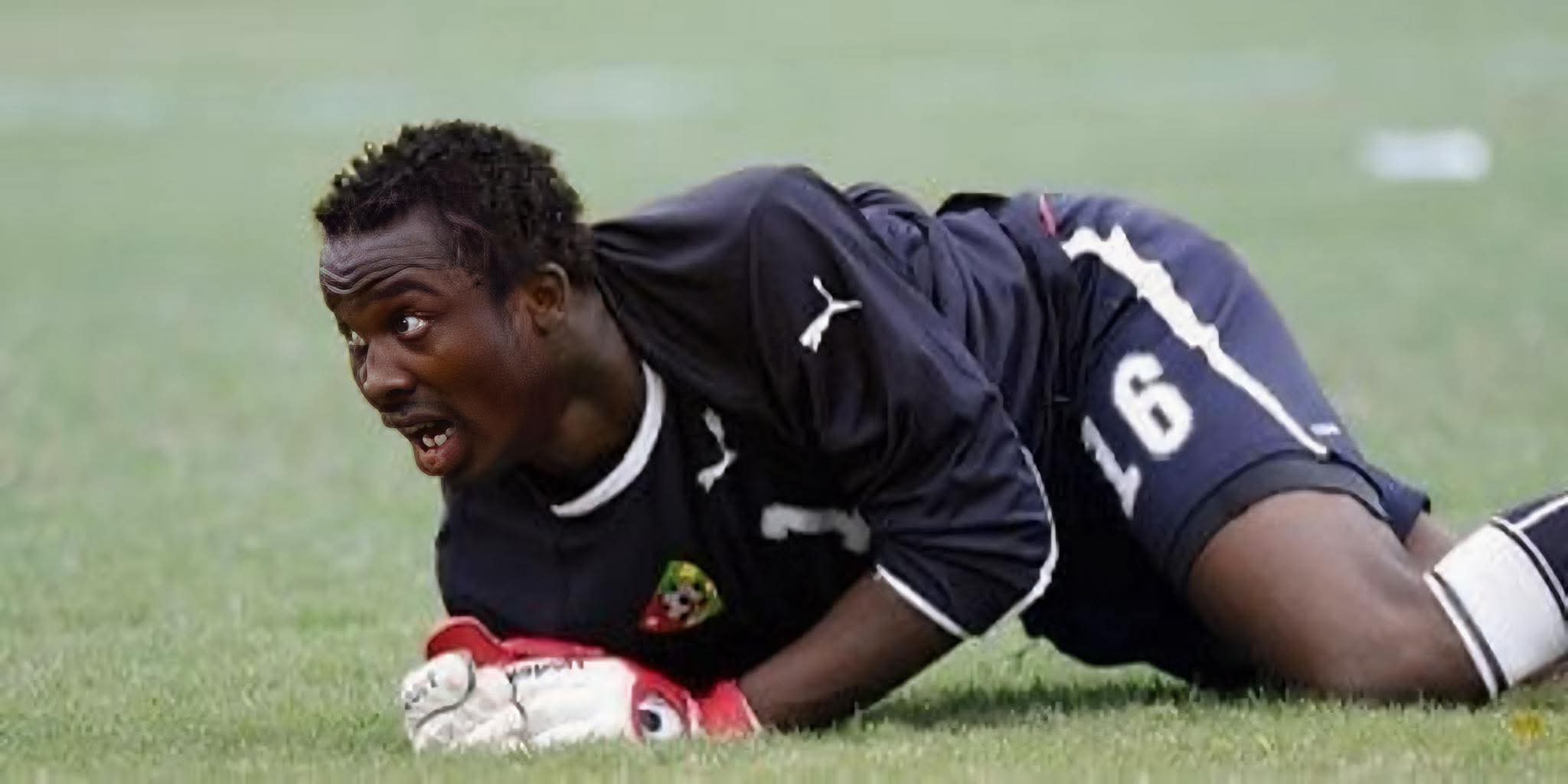
The former international goalkeeper of Togo, Kodjovi Obilalé, shares his extraordinary journey in the world of football, which unfortunately ended tragically.
Obilalé opens up in an interview, the full details of which were relayed in an article by the renowned Italian media outlet, La Gazetta dello Sport. The former Sparrowhawk first discusses his dearest dream, which was to represent Togo at the 2006 World Cup in Germany.
“It was a childhood dream come true. Since my youth, in my neighborhood, we dreamed of participating in a World Cup one day, and for me, that dream became a reality. It was an incredible experience. At 21, being on a field packed with tens of thousands of people, in such an electrifying atmosphere, was unbelievable. Even though we were eliminated in the group stage, this World Cup represented for me the culmination of all those years of hard work and sacrifices. And for the country, it was a tremendous pride.”
Painful Memories
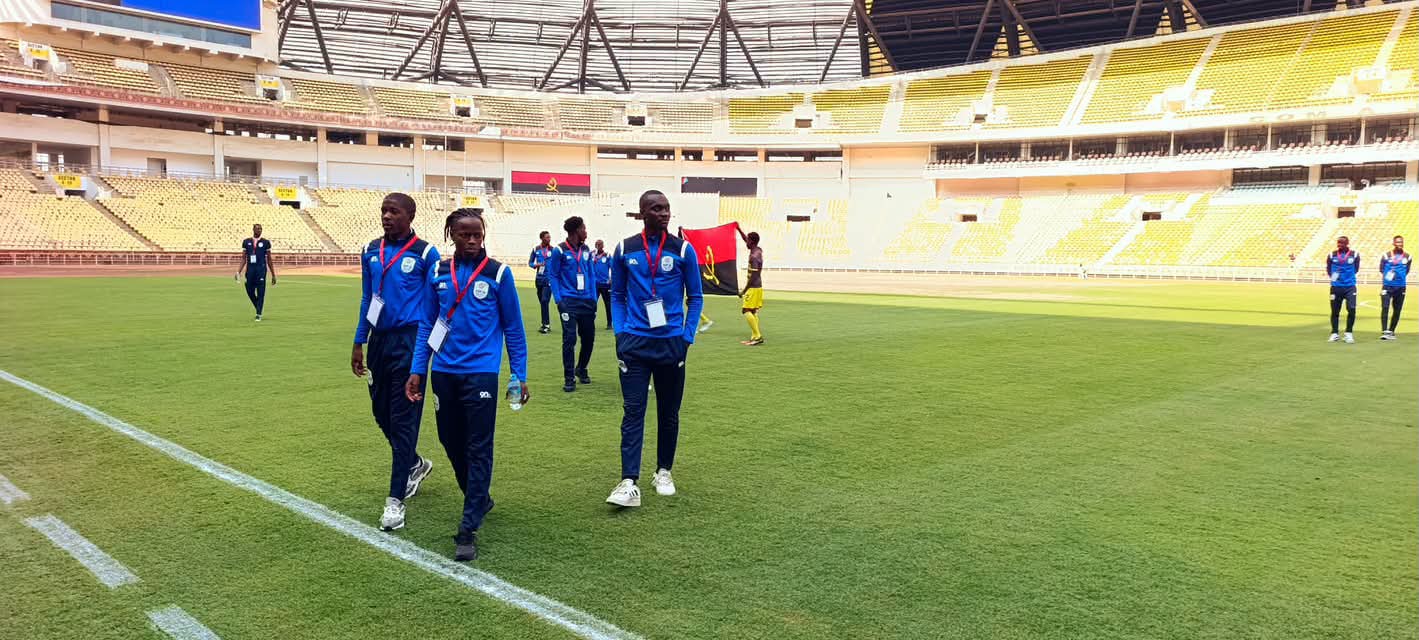
Obilalé also reflects on the tragic attack that targeted two Togolese buses en route to Angola, the host of the Africa Cup of Nations in 2010.
This tragedy claimed the lives of three people: the driver, the press officer, and a technical assistant. The attack was claimed that same evening by FLEC, the Front for the Liberation of the Enclave.
“These are very painful memories that remain etched in me. I had gone to this Africa Cup of Nations for good reasons: to participate in the competition, to make a name for myself, and to hope to be spotted by a more prestigious club. Then, on January 8, 2010, we took the road to Cabinda: the Federation chose not to fly and we traveled by bus to Angola. … I felt an inexplicable anxiety, as if something bad was about to happen.”
Obilalé's Most Precious Memory
“…Coming out of the tunnel and stepping onto the field in a packed stadium, under the cheers of tens of thousands of people and in a deafening atmosphere, was an experience I had never known before. Being part of the first Togolese national team to compete in a World Cup… Unforgettable.”
After undergoing treatment and rehabilitation for three and a half years, Obilalé embarked on training.