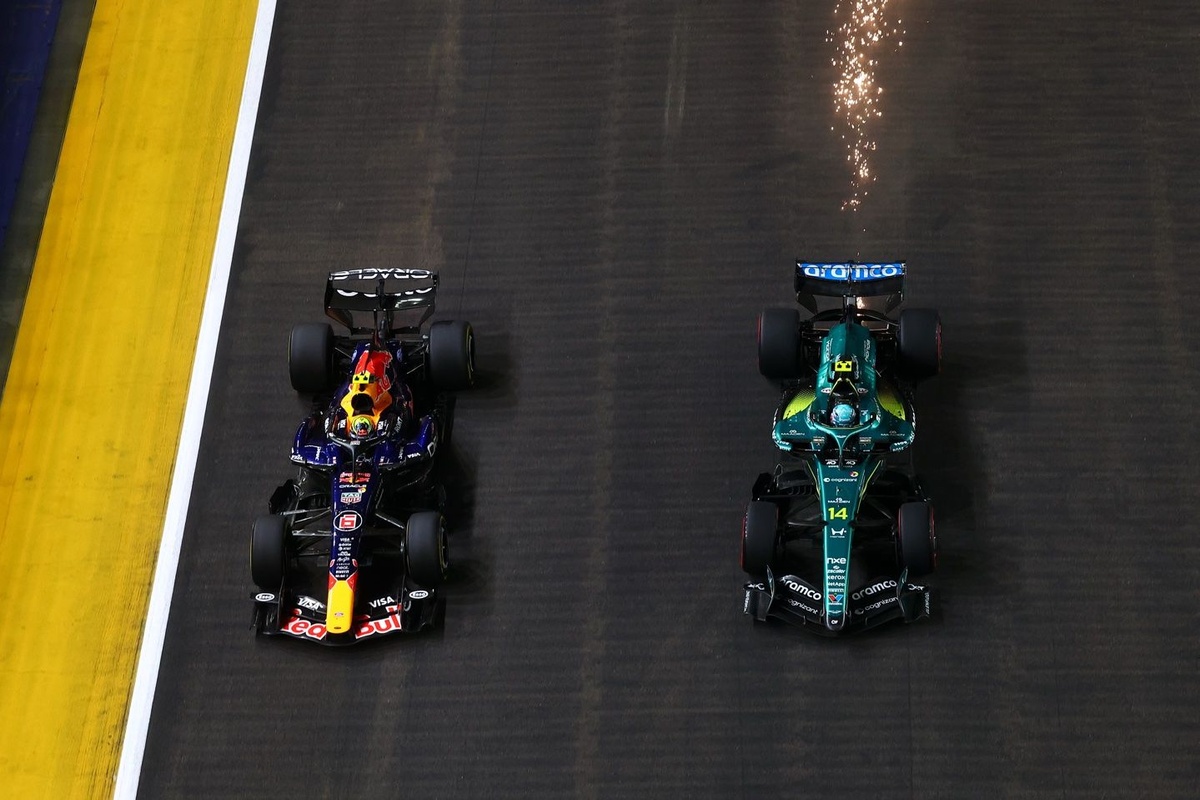
Mark Webber's departure from Red Bull labeled as "disrespectful" while Daniel Ricciardo receives acclaim.
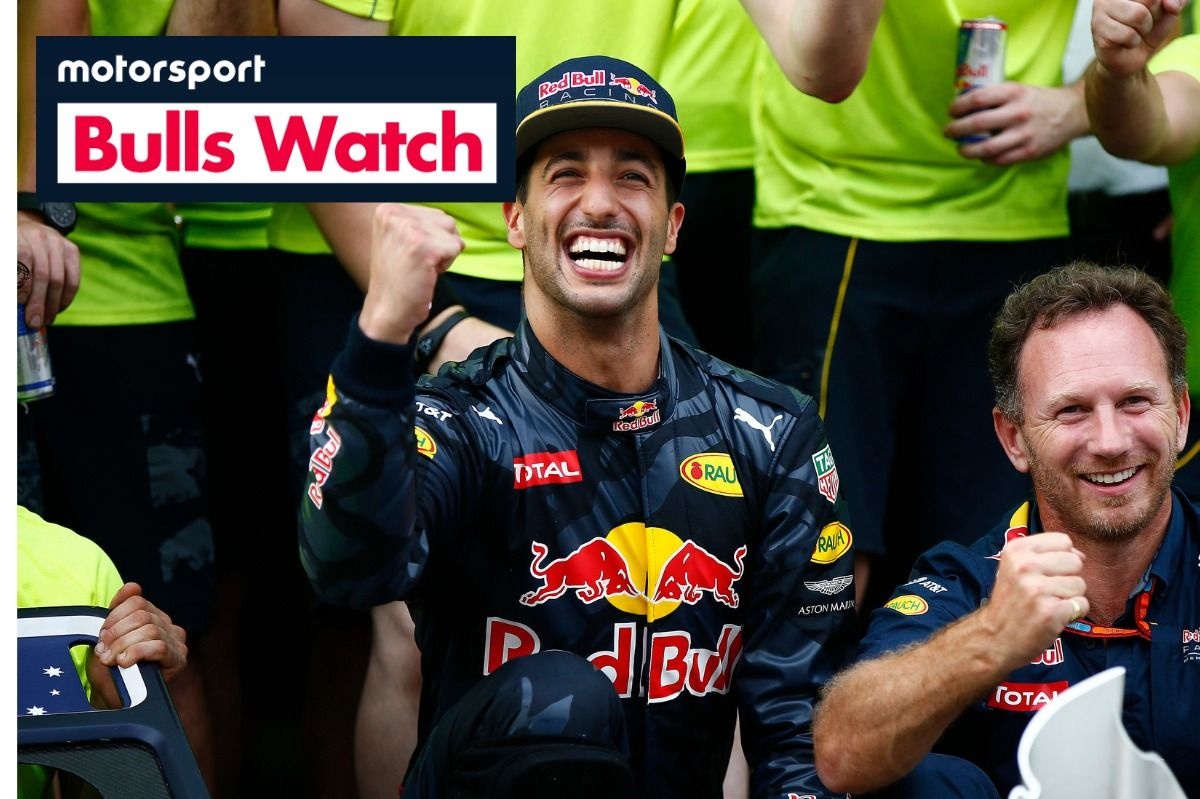
Red Bull Racing shares a long and intricate history with Australian drivers. Mark Webber played a crucial role in establishing the team's success during Sebastian Vettel's championship runs, while Daniel Ricciardo took over and spearheaded the team at the onset of the turbo-hybrid era.
In a recent 60 Minutes Australia interview, Christian Horner reflected on how both drivers functioned within his team. Speaking candidly, Horner drew a stark contrast between the tumultuous conclusion of Webber's time with the team and the dynamic entry of Ricciardo.
The disrespect of 2013
By 2013, the bond between Mark Webber and Red Bull was deeply fractured. The notorious "Multi 21" incident at the Malaysian Grand Prix had brought the fierce competition between Webber and Sebastian Vettel to a breaking point.
On the Thursday preceding the 2013 British Grand Prix, Webber disclosed his retirement from Formula 1 at the end of the season. However, the Australian driver opted to inform the media about his transition to Porsche without first speaking to Horner directly. Even after more than a decade, the sting of that announcement strategy remains a significant memory for the former team principal.
Mark Webber, Christian Horner, Red Bull team principal
"I was just sad when he left that he did it in the manner that he did," Horner expressed frankly. "I felt it was disrespectful to the team as well."
While Horner acknowledged that time has brought clarity and that both men are on amicable terms today, the corporate slight of announcing a departure to the media instead of the team principal clearly left a lasting mark.
Becoming an "animal"
Webber's exit paved the way for Daniel Ricciardo, who was elevated to Red Bull in 2014. Coming from the junior team Toro Rosso, there were genuine concerns among Red Bull management about whether Ricciardo possessed the top-tier racecraft needed to compete at the front.
Horner elaborated on how swiftly those concerns dissipated once Ricciardo was placed in a race-winning car.
"Our hesitation was that we hadn't seen him overtake too many cars, and then when he got in the Red Bull car he never stopped overtaking people," Horner reminisced. "He became an animal on the brakes and won three Grands Prix in his first year with us."
Daniel Ricciardo, Red Bull Racing, Christian Horner, Team Principal, Red Bull Racing
Those three victories were achieved at the Canadian Grand Prix, followed by wins in Hungary and Belgium. Accomplishing that success during a season overwhelmingly dominated by the Mercedes team - and consistently outpacing the four-time defending champion Vettel in the same garage - firmly established Ricciardo as one of the leading late-brakers in contemporary F1 history.
Horner's insights underscore the intense, high-pressure driver management required at Red Bull, illustrating how swiftly an untested talent can transform into a team icon, and how easily a veteran's departure can sour.
More from this section
Daniel Ricciardo expresses significant regret regarding his exit from Red Bull in 2018.
Daniel Ricciardo hints at a possible return to racing alongside Max Verstappen at Le Mans.
Max Verstappen will not participate for Red Bull in the first practice session of the Mexico Grand Prix.
Oliver Bearman clarifies the reasons behind Haas’ 2026 F1 vehicle ‘reaching its limits.’
Another DNF for Cadillac’s Valtteri Bottas: ‘At times, we struggle to comprehend it’