Max Verstappen: Frequently Asked Questions about his GTWC Europe debut
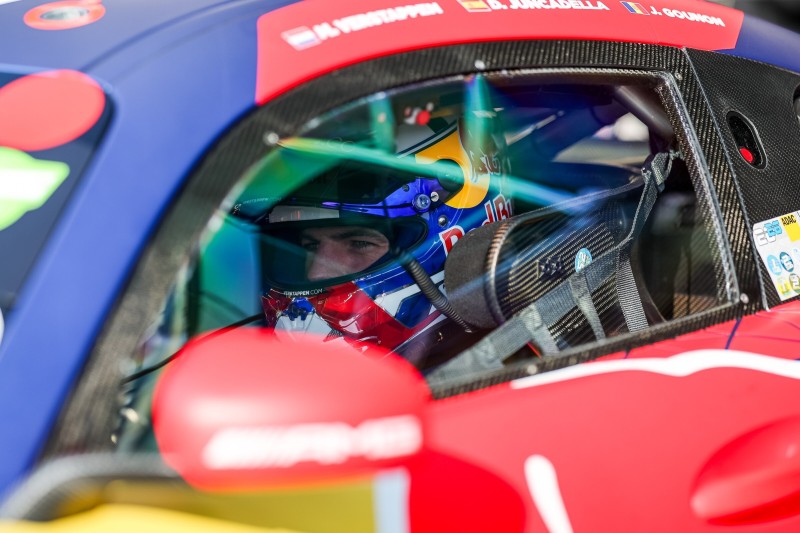
Four-time Formula 1 world champion Max Verstappen is poised to make his debut in the GT World Challenge Europe at this weekend's season finale in Portimao.
After showcasing impressive performances at the Nurburgring Nordschleife, where only a technical issue hindered an overall win in the Nurburgring 24 Hours during his debut, the Red Bull driver is back in the driver's seat of the Mercedes-AMG GT3.
This event signifies Verstappen's initial foray into Europe's leading GT3 championship. This decision was made as regular Verstappen Racing drivers Daniel Juncadella and Jules Gounon are occupied with the World Endurance Championship race in Barcelona, which was organized to replace the cancelled 6 Hours of Qatar. Juncadella is racing for Genesis in the Hypercar class, while Gounon is with Alpine.
Verstappen will drive the #3 Verstappen Racing Mercedes-AMG GT3 alongside regular driver and sim racing teammate Chris Lulham, as well as seasoned GT racer Ben Barnicoat, who is stepping in as a substitute.
What is the GT World Challenge Europe?
The GT World Challenge Europe, run by SRO Motorsports Group, is considered the apex of GT3 racing worldwide. The championship is divided into the Sprint Cup, which features two 60-minute races each weekend, and the Endurance Cup, which includes races lasting three, six, or 24 hours.
While the DTM and the IMSA SportsCar Championship's GTD Pro class also provide intense competition, many team principals regard the GTWC Europe Endurance Cup as the most challenging GT3 championship. Approximately 20 different cars can genuinely contend for the overall victory in fields that range from 50 to 60 entries.
The grid is categorized into four classes based on FIA driver classifications: Pro, Gold, Silver, and Bronze. Verstappen will compete in the elite Pro class. Occasionally, Gold Cup vehicles can challenge Pro entries, yet non-Pro teams primarily aim for class accolades.
Which cars are utilized in the series?
The championship showcases homologated GT3 vehicles derived from road-legal sports cars. The grid consists of the Mercedes-AMG GT3 Evo, BMW M4 GT3 Evo, Porsche 911 GT3 R, Ferrari 296 GT3, Audi R8 LMS GT3, Aston Martin Vantage GT3, Lamborghini Huracan GT3 Evo2, McLaren 720S GT3 Evo, and Ford Mustang GT3.
Unlike Formula 1, GT3 cars feature closed cockpits and are based on production architecture. Electronic aids like ABS and traction control are allowed, as the GT3 platform is primarily made for customer racing, though ESP and fully automatic transmissions are prohibited.
Which car will Max Verstappen drive?
Verstappen will pilot the #3 Mercedes-AMG GT3, managed by 2 Seas Motorsport under the Verstappen Racing banner. Equipped with a 6.3-liter naturally-aspirated V8 engine generating roughly 550 horsepower, the vehicle is the same chassis employed by the team throughout the Sprint and Endurance Cup seasons.
While Verstappen previously drove an AMG GT3 at the Nurburgring 24 Hours, the setup in GTWC Europe varies. At the Nurburgring, specific ride height limits, wing angles, and suspension geometry are enforced due to the circuit's distinctive characteristics, whereas GTWC Europe permits slightly more setup flexibility.
Will Verstappen handle the entire race solo?
#3 Mercedes-AMG Team Verstappen Racing, Mercedes AMG GT3 EVO: Max Verstappen
As Portimao hosts a three-hour Endurance Cup race, Verstappen will share driving responsibilities with Chris Lulham and Ben Barnicoat. Each driver is expected to complete approximately a one-hour stint during the race. This contrasts with Sprint Cup events, where races last one hour and are divided between two drivers.
Why is Verstappen stepping in at this moment?
This entry is a direct result of a scheduling clash with the WEC event in Barcelona. With regular drivers Juncadella and Gounon attending factory commitments in Spain, team owner Verstappen decided to step in during a break between Formula 1 triple-headers.
Several other drivers are absent from the GTWC Europe finale due to the same scheduling issue. MotoGP icon Valentino Rossi, who has been competing in GT3 cars full-time since 2022, will be without his regular WRT BMW teammate Dan Harper. All impacted entries have summoned replacement drivers for the weekend.
What does Verstappen's participation signify for GTWC Europe?
Verstappen's involvement brings exceptional global attention to the championship. An active F1 world champion competing mid-season in another elite discipline is a rare occurrence in contemporary motorsport. His appearance is likely to draw considerable interest from F1 fans experiencing GT3 racing for the first time.
Who are Verstappen's primary competitors on the track?
The Portimao grid features nearly 60 GT3 cars filled with factory drivers and GT specialists. One of the main narratives of the weekend is Verstappen sharing the Pro class track with Valentino Rossi, who races a factory-supported BMW M4 GT3 for Team WRT.
Other prominent competitors include DTM champions Thomas Preining, Mirko Bortolotti, Maximilian Goetz, and Marco Wittmann, alongside endurance experts like Patric Niederhauser, Markus Winkelhock, Franck Perera, Lucas Auer, Luca Stolz, and multi-time GTWC champion Charles Weerts.
The entry list also includes BMW factory driver Tim Tramnitz and Arthur Leclerc, the brother of Ferrari F1 driver Charles Leclerc. Verstappen will be back on track with Christopher Haase, with whom he had thrilling wheel-to-wheel duels during Nurburgring Nordschleife preparation races earlier this year.
#3 Mercedes-AMG Team Verstappen Racing, Mercedes AMG GT3 EVO: Max Verstappen, Daniel Juncadella, Jules Gounon, Lucas Auer
In addition to professional racers, the grid is populated with amateur competitors in lower classes as well as junior drivers striving to secure factory drives.
Is Verstappen contending for a championship in Portimao?
Verstappen Racing is not in the running for the title. The championship has already been clinched by Winward Racing's #48 Mercedes-AMG GT3 driven by Lucas Auer, Luca Stolz, and Maro Engel, who secured the crown at the previous round at the Nurburgring GP circuit.
How does Portimao differ from his Nurburgring experiences?
While both involve GT3 vehicles, GTWC Europe events strictly feature GT3 cars on track, as opposed to the multi-class setting of the Nurburgring Nordschleife. Additionally, three-hour GTWC races are classified as endurance events but operate more like extended sprints on modern grand prix circuits, where car setups are considerably more aggressive than at the Nordschleife.
How does a GTWC weekend format compare to Formula 1?
The fundamental structure is alike, consisting of free practice, qualifying, and a race. However, the operational elements differ significantly. GTWC Europe endurance races incorporate driver changes during mid-race pit stops, mandatory refueling periods, and strict regulations regarding pit stop timing.
Refueling durations are regulated, but tire changes are executed against the clock by just two mechanics, with both tasks carried out separately. Furthermore, multi-class racing generates constant traffic throughout the three-hour distance.
How does qualifying function in GTWC Europe?
Qualifying for the Endurance Cup utilizes an aggregate time system across three sessions: Q1, Q2, and Q3. Each of the three drivers on a car's entry list must participate in one session. The starting grid position is determined by averaging the fastest lap times of all three drivers.
How much slower is a GT3 car compared to a Formula 1 car?
A GT3 car is considerably slower per lap than an F1 car, typically by 15 to 25 seconds depending on the circuit configuration. This time difference arises from the increased vehicle weight (approximately 1,300kg for GT3 compared to under 800kg in F1), reduced aerodynamic downforce, and lower engine power output (around 550hp compared to almost 1,000hp hybrid power in F1).
Comparing the quickest qualifying lap times from circuits visited by both series in 2026 highlights the disparity:
Monza: 1m21.786s (F1) vs 1m45.323s (GT3) (+23.537s)
Spa-Francorchamps: 1m44.361s vs 2m16.817s (+32.456s)
Zandvoort: 1m11.163s vs 1m33.192s (+22.029s)
Barcelona: 1m14.679s vs 1m39.542s (+24.863s)
Does Verstappen need to adjust his driving style?
#3 Mercedes-AMG Team Verstappen Racing, Mercedes AMG GT3 EVO: Max Verstappen
GT3 vehicles require a distinct strategy for braking and cornering due to their mass and reduced downforce. The driving technique tends to be more fluid in contrast to the immediate feedback found in single-seaters. Additionally, drivers need to adeptly handle race ABS and traction control systems to avoid overheating the tires.
In tight racing scenarios, the encased wheels and bodywork permit light collisions without causing instant critical damage, resulting in more frequent body contact compared to open-wheel racing.
Verstappen's vast experience in sim racing equips him with a solid understanding of varied vehicle dynamics and racing conduct across multiple platforms. It's well-known that he is not hesitant to execute bold maneuvers.
Are the tires identical to those used in Formula 1?
Pirelli provides tires for both series, but the GT3 version is a robust customer slick engineered to perform across a wide range of temperatures for full one-hour stints. Importantly, tire warmers are prohibited in GT World Challenge, meaning drivers must leave the pit lane on cold tires and build up heat during the initial laps.
Similar to F1, there are wet-weather tires available, but the forecast indicates a dry weekend ahead.
What does Balance of Performance (BoP) mean?
The Balance of Performance is a regulatory mechanism overseen by SRO that aims to equalize different engine and chassis configurations, including front-engine V8s, mid-engine V6 turbos, and rear-engine flat-sixes.
By adjusting weights, air restrictors, boost profiles, and minimum ride heights, vehicles are balanced to foster competitive racing among various manufacturer designs.
More from this section
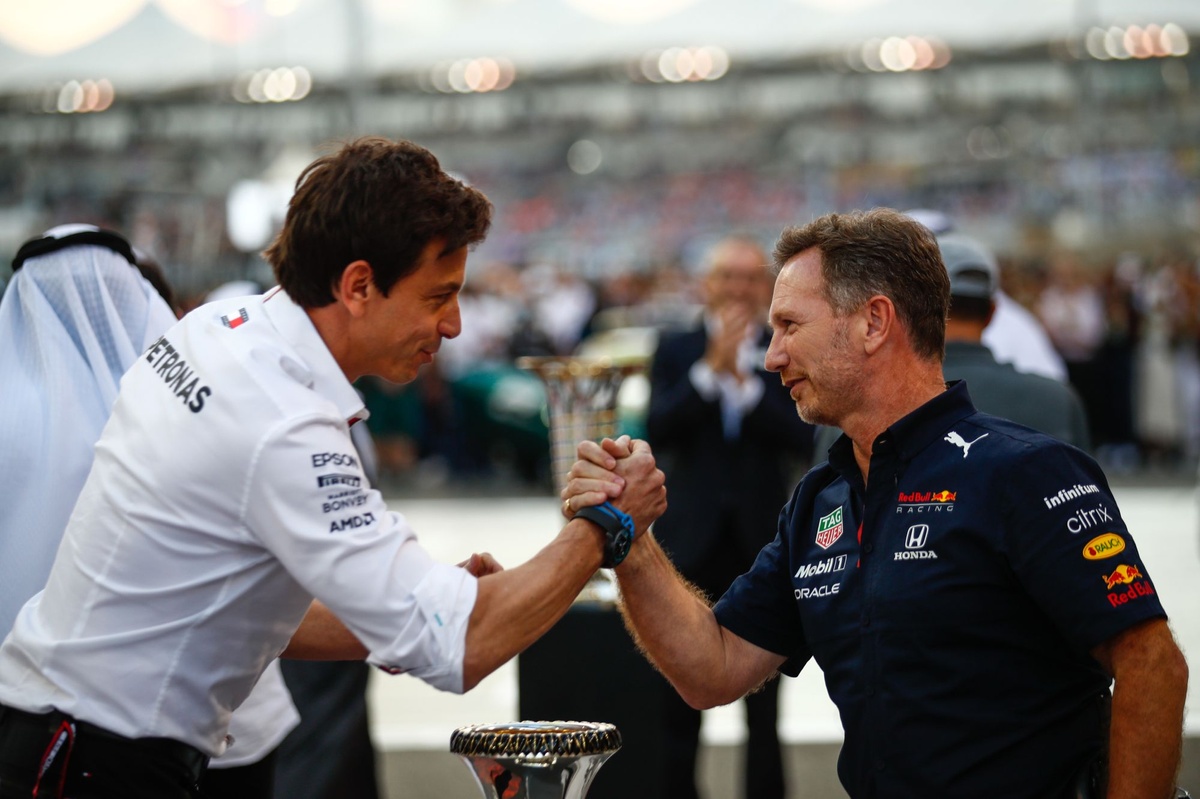
Christian Horner acknowledges that the rivalry in Formula 1 with Toto Wolff has turned into "theatre."
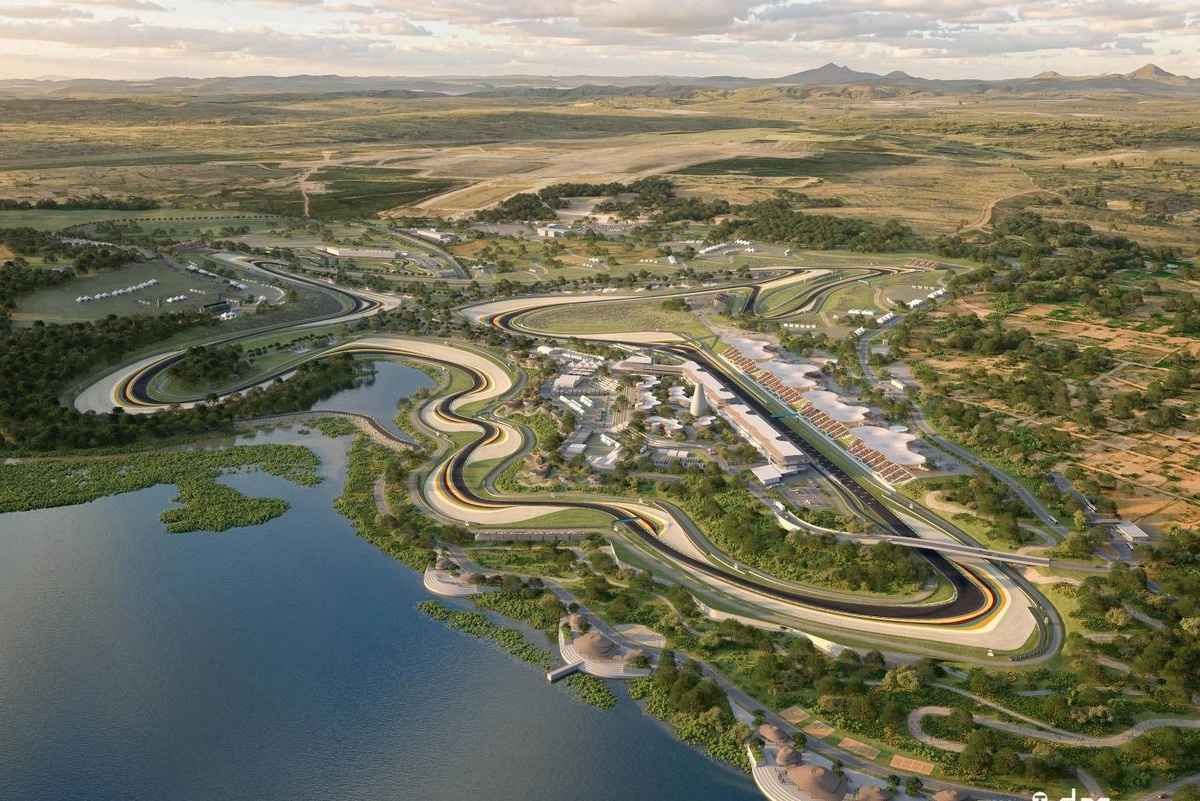
F1 secures a landmark 10-year agreement with Rwanda to stage the African Grand Prix.
PlayStation Plus members can now access "F1 25" at no additional cost.
Emerson Fittipaldi reflects on the passing of Jochen Rindt and discusses his rise to leadership within Team Lotus in Formula 1.
Assessment: What Formula 1 Enthusiasts Can Anticipate from "Schumacher '94"