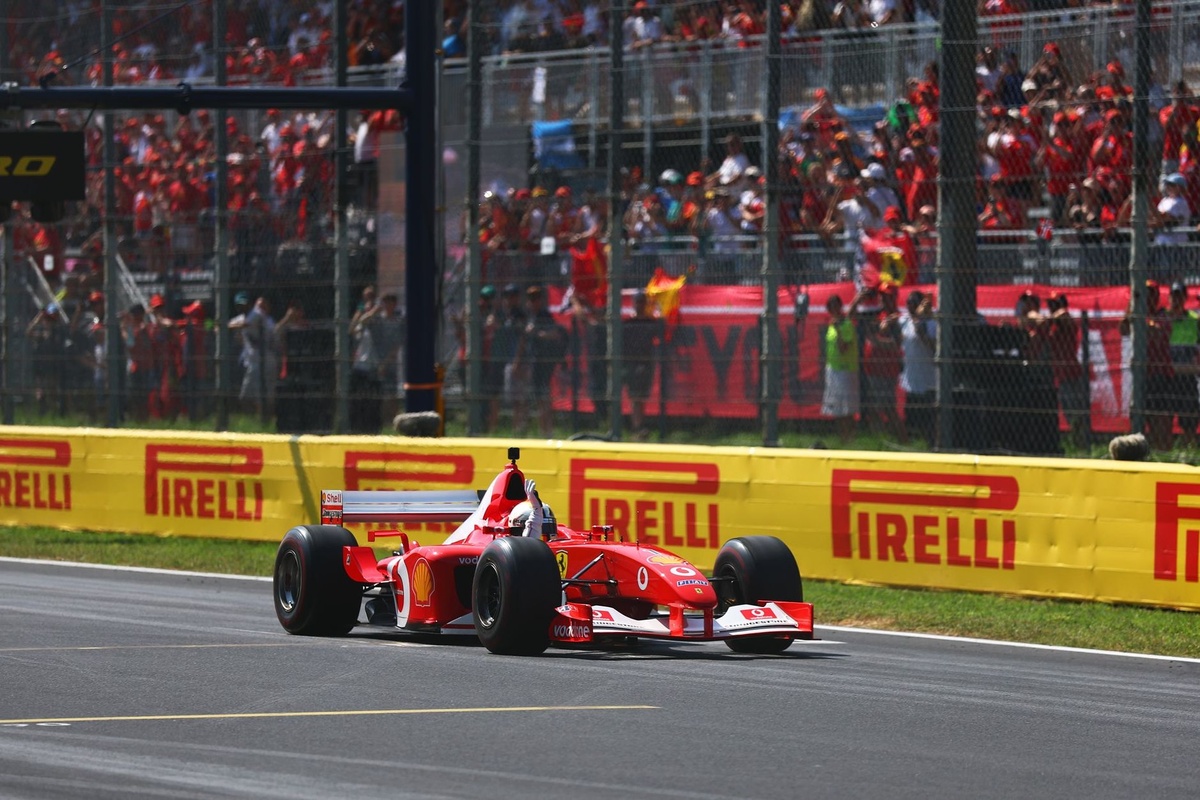
Emerson Fittipaldi reflects on the passing of Jochen Rindt and discusses his rise to leadership within Team Lotus in Formula 1.
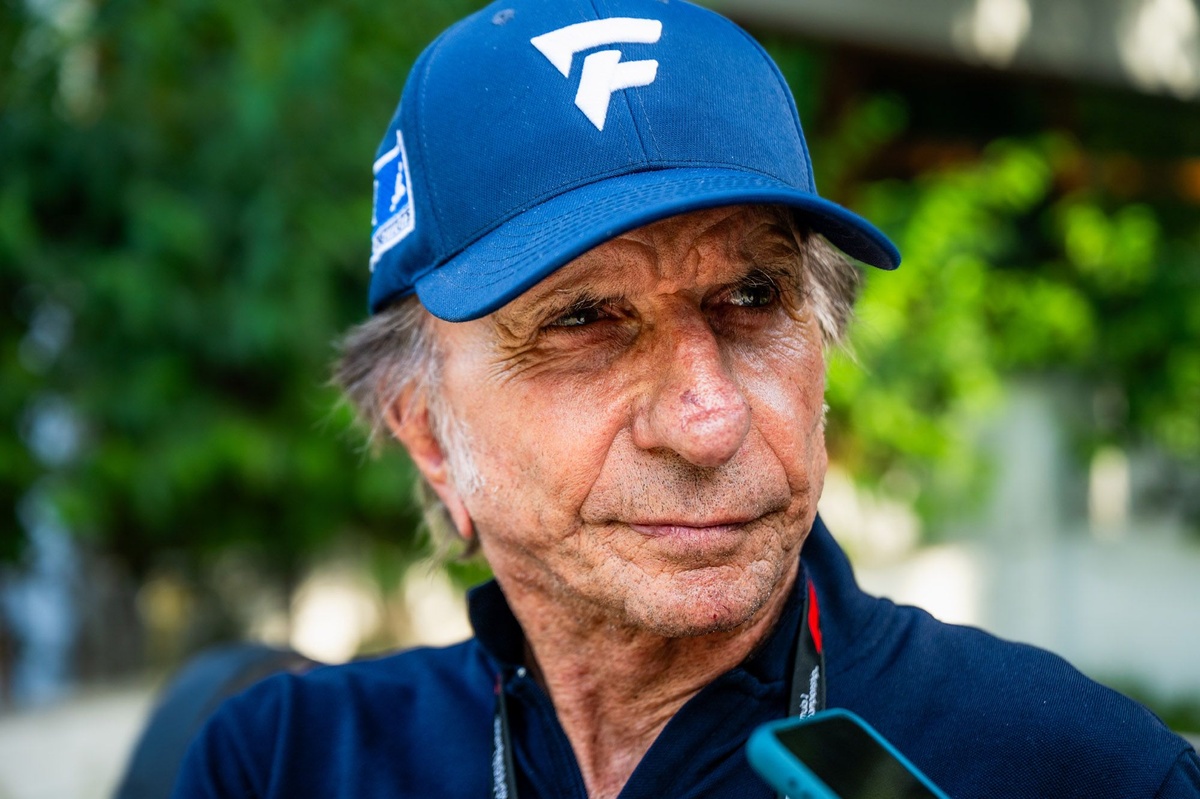
In 1970, Brazil had yet to produce a successful Formula 1 driver, but a 23-year-old named Emerson Fittipaldi was beginning to attract attention.
After securing the Formula Vee title in his homeland, he moved to Europe where he achieved victory in Formula Ford and became a champion in Formula 3. Fittipaldi was also excelling in Formula 2 with Lotus.
Midway through the season, team principal Colin Chapman gave the young driver his F1 debut, pairing him with regulars Jochen Rindt and John Miles in the older Lotus 49 for three races before transitioning him to the new Lotus 72 at the 1970 Italian Grand Prix.
However, Fittipaldi did not compete at Monza that weekend, as his teammate and championship frontrunner Rindt suffered a tragic fatal crash during qualifying.
“We had breakfast together,” the 79-year-old shared in a discussion with Autosport, addressing reader inquiries. “He asked me to take his place in Formula 2. I agreed, shook his hand, and a few hours later he passed away.”
Following Rindt’s death, Miles departed Team Lotus, paving the way for Fittipaldi to become the lead driver for the three-time world constructors’ champions.
“I was quite young,” he reminisced. “When Colin called me, I told him, ‘I was expecting someone experienced to step in as the number-one driver for Lotus after Jochen’. He replied, ‘Emerson, you will be our number-one driver’. I responded, ‘Colin, I lack experience’. He assured me, ‘We will support you 100%’.
Colin Chapman, Emerson Fittipaldi
“From that moment on, I was always striving to achieve the results the team anticipated. However, I felt a significant amount of responsibility, especially being in the position of replacing Jochen Rindt, an exceptional driver.
“I had complete backing from Colin and the entire team. Yet, being the leader of a team like Lotus came with immense pressure. ‘Welcome to the world of pressure!’ Maximum pressure.
“I was always able to handle the pressure mentally in a constructive way. Thanks to that, I could perform well. I had an incredible team supporting me.”
And indeed, Fittipaldi delivered, clinching his first grand prix victory in his very next race at Watkins Glen—securing Lotus's fourth world title while Rindt was honored with the drivers’ championship posthumously.
Fittipaldi’s stint with the Norfolk-based team was marked by great success, achieving nine victories across 42 races and a commanding 1972 season.
Emerson Fittipaldi, Lotus 72D Ford
The Brazilian referred to Colin Chapman as a “genius,” but elaborated on how the Lotus founder was profoundly affected by the tragic loss of iconic racer, two-time champion Jim Clark, in 1968—and subsequently Rindt’s accident.
“People don’t realize how deeply he suffered with every driver he lost,” Fittipaldi remarked. “At the end of 1972, after winning the championship, we were celebrating with various sponsors in London; he approached me, looked me in the eyes, and said, ‘Emerson, I don’t want to get too close to you, I’m afraid I might lose you one day’. That illustrates how much he endured.
“The hardest for him was definitely Jimmy Clark. Jimmy was like a son to Colin. They shared an incredible bond, and Colin endured a lot of pain.
“People don’t understand, but their relationship was very human. Like when I won the British Grand Prix at Brands Hatch in ‘72. He embraced me like [he exuberantly waves his arms] you are so elated, you know.
Emerson Fittipaldi
“He was a remarkable human being. To outsiders, he might seem cold and indifferent toward drivers, but he was quite the opposite.”
More than fifty years later, Fittipaldi feels incredibly fortunate to still be alive—as he expressed while Formula 1 cars zoomed by in Baku.
“It was an incredibly challenging time, as I lost many, many friends and colleagues,” he noted.
“I saw Jacky Ickx three years ago in Spa. He came over, embraced me, and said, ‘Emerson, we are survivors’. I replied, ‘Yes, thank God we are still here’.”
More from this section
Assessment: What Formula 1 Enthusiasts Can Anticipate from "Schumacher '94"

McLaren Racing and Edward Jones collaborate in a multi-year partnership for both F1 and IndyCar.
Pierre Gasly labels social media harassment as “entirely unacceptable” following the Franco Colapinto incident during the Spanish Grand Prix.
What is causing the postponement in the cancellation of the Qatar and Abu Dhabi Grand Prix events?
What is the reason behind a Formula 1 race being 305 kilometers in length? A look at race distances from 1950 to 2027.