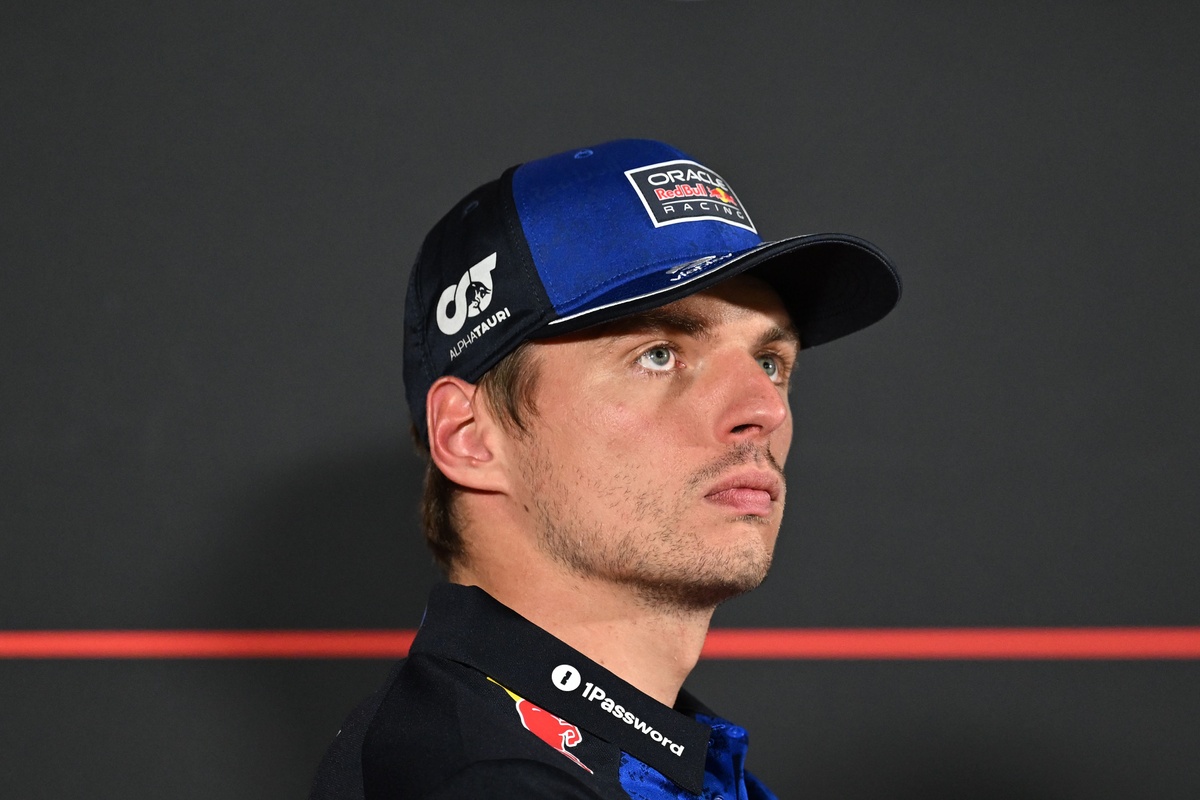
Red Bull acknowledges that the enigmatic problem with Max Verstappen's car cannot be completely resolved until 2027.
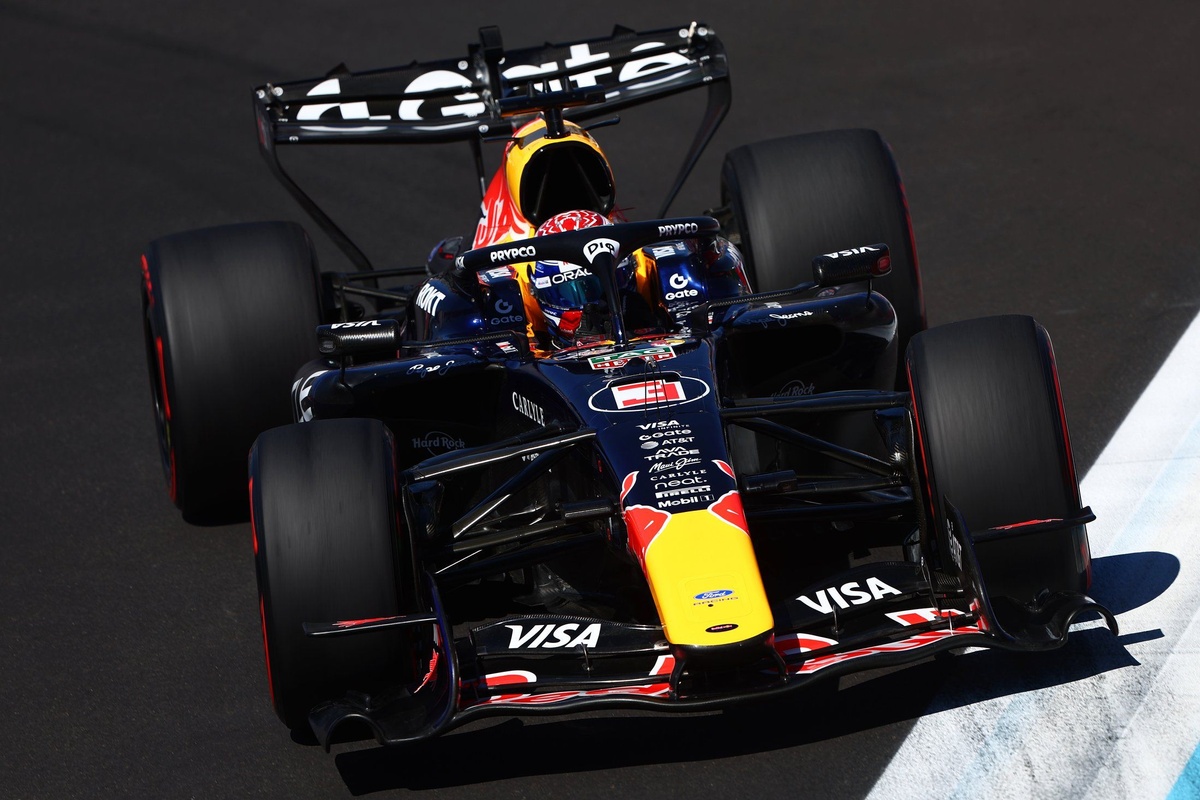
This Formula 1 season, Verstappen has expressed concerns over the performance of the Red Bull car, particularly how it deteriorates throughout a session or race. This issue often manifests at the rear axle, as observed during qualifying at Monza, where Verstappen described the RB22 as "a car made of paper."
The four-time world champion emphasized that he has been raising these issues internally for several years. Verstappen stated that Red Bull has faced challenges with car degradation during sessions for numerous seasons, which is noteworthy considering the 2026 car is entirely new due to the overhaul of technical regulations.
This leads to questions about the persistent nature of the problem and whether Red Bull has finally grasped its underlying causes.
When Motorsport.com inquired about these concerns with Red Bull team principal Laurent Mekies, the Frenchman responded: "I don't think we are going to clarify what it is or how we plan to resolve it. However, I believe Max is correct in noting that there is a degree of car performance degradation occurring throughout a session and a race."
"He is also right to point out that this is not a recent problem. We are not ignoring it. We have been attempting to address it in various ways."
"Clearly, I view it as a complex issue. Otherwise, we would have figured it out by now. Yet, everyone is being constructive about it, and we are striving to make incremental progress to ultimately uncover the root of the issue."
Verstappen said at Monza that the Red Bull car is “made of paper” after he suffered from “car degradation” during qualifying
Regarding those incremental improvements, Mekies pointed out that several insights were gained on the Saturday in Monza, when Verstappen expressed his frustrations, and Red Bull attempted to implement those insights in Madrid. The issue did not arise during F1’s initial visit to the Madring, or at least not to the same degree.
"This weekend, we made a couple of positive strides in that regard," Mekies noted. "It will never tell the whole story, but we have certainly progressed in our understanding through experience. We don't have all the answers for the car just yet, but I believe we are moving in the right direction. It will be a slow process, likely stretching into next year."
In acknowledging this, Mekies confirms what Verstappen had suggested earlier: some challenges simply cannot be resolved this season and will necessitate more substantial alterations to the design and chassis for 2027.
The reality that Red Bull is constrained in its options for the remainder of this year is partly due to the impending budget cap and the fact that the focus has already begun to shift towards 2027, as well as the limitations on what modifications can be made to the RB22.
If Verstappen does not win a Grand Prix this season, it will be the first year since 2015 without a race win
Mekies therefore acknowledges that the issue may manifest more frequently in the remaining races this season, although he refrains from elaborating on the specifics of the underlying causes.
"Look, I'm not going to provide additional details here. But as I mentioned, it's true that some aspects of the car's performance sometimes do not maintain their optimal level. And that affects lap times significantly.
"So, it's something we [need to address]. There's no doubt that everyone is focused on improving that for the future."
For this season, Verstappen understands that there is little left for him to contend for. The Dutchman recognized early on that he is not a participant in the title race and can only aspire for a race victory.
Should he fall short of achieving that, it would mark the first time since 2015, when Verstappen was still with Toro Rosso – now Racing Bulls. Since his ascent to Red Bull in May 2016, the Dutchman has secured at least one Grand Prix win each year.
More from this section
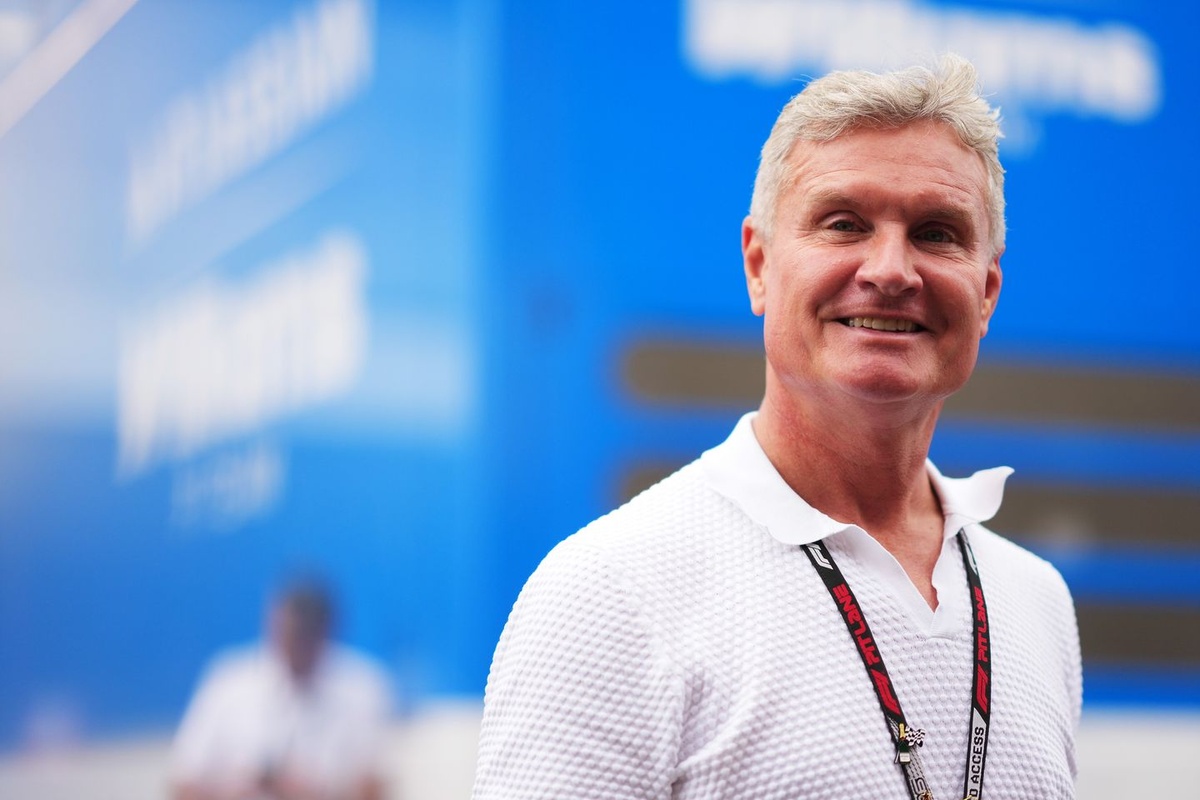
David Coulthard calls on the FIA to accelerate their safety car decision-making process.
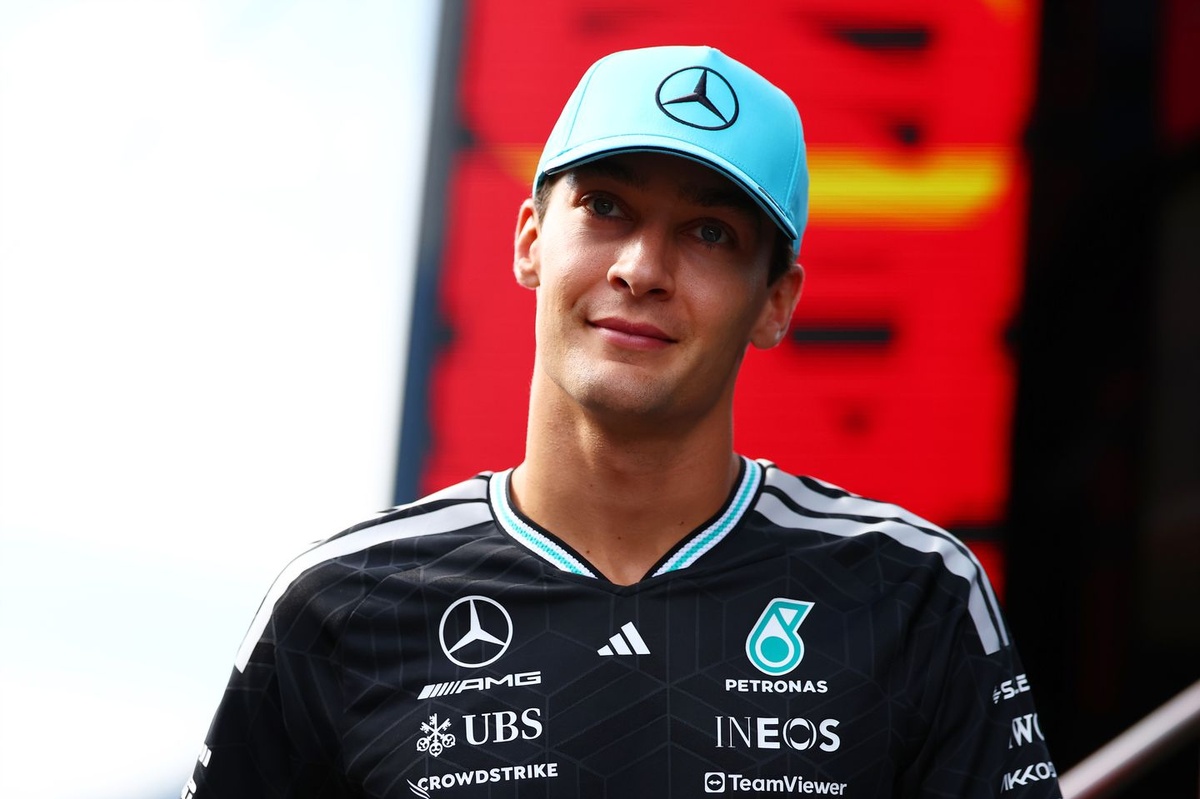
George Russell commended for candid acknowledgment regarding Kimi Antonelli's performance in F1
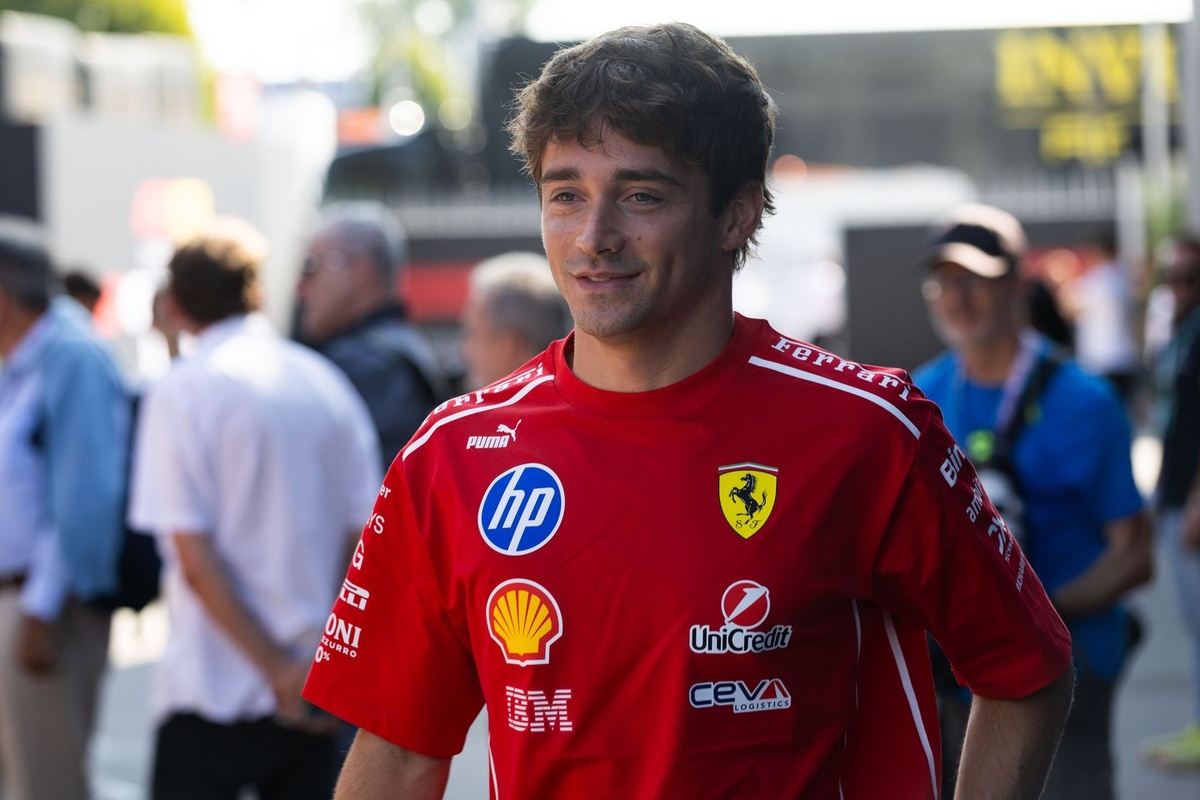
Ferrari unveils exclusive black race suit for Charles Leclerc at the F1 Singapore Grand Prix.
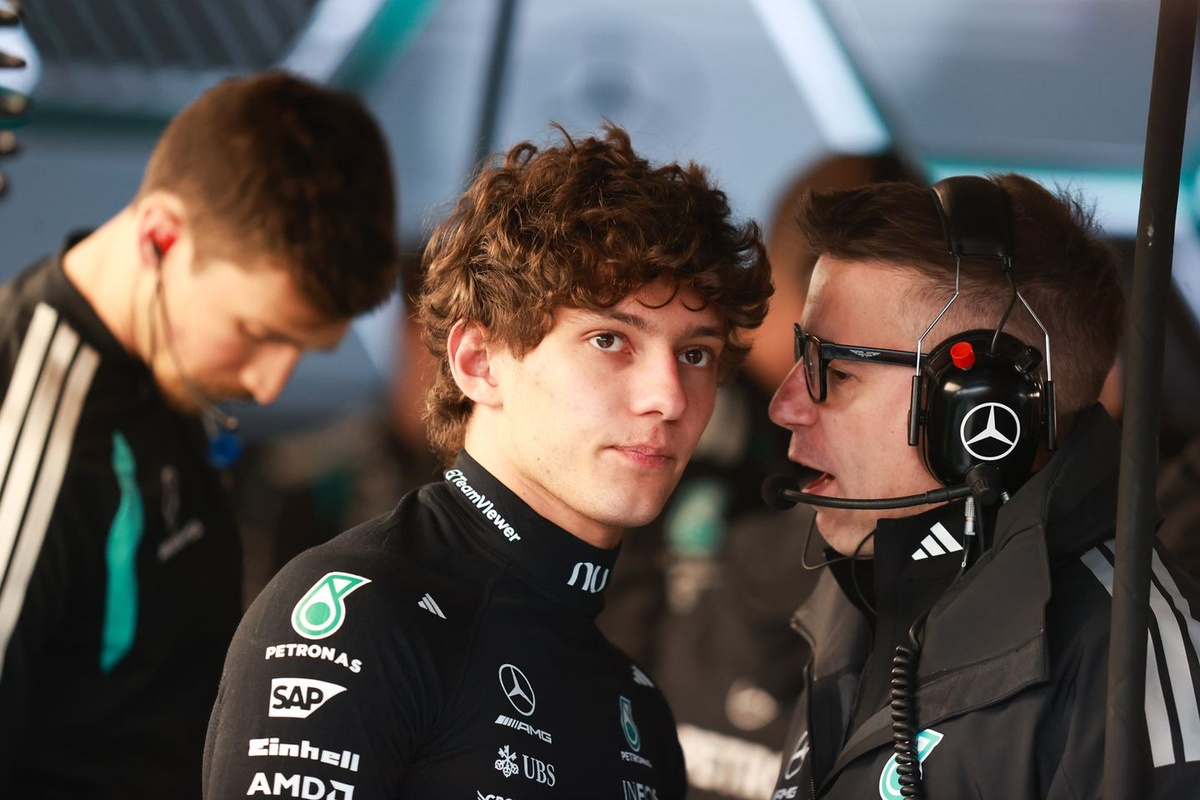
Rob Smedley discusses the significant contribution of Peter Bonnington to Kimi Antonelli's achievements in Formula 1.
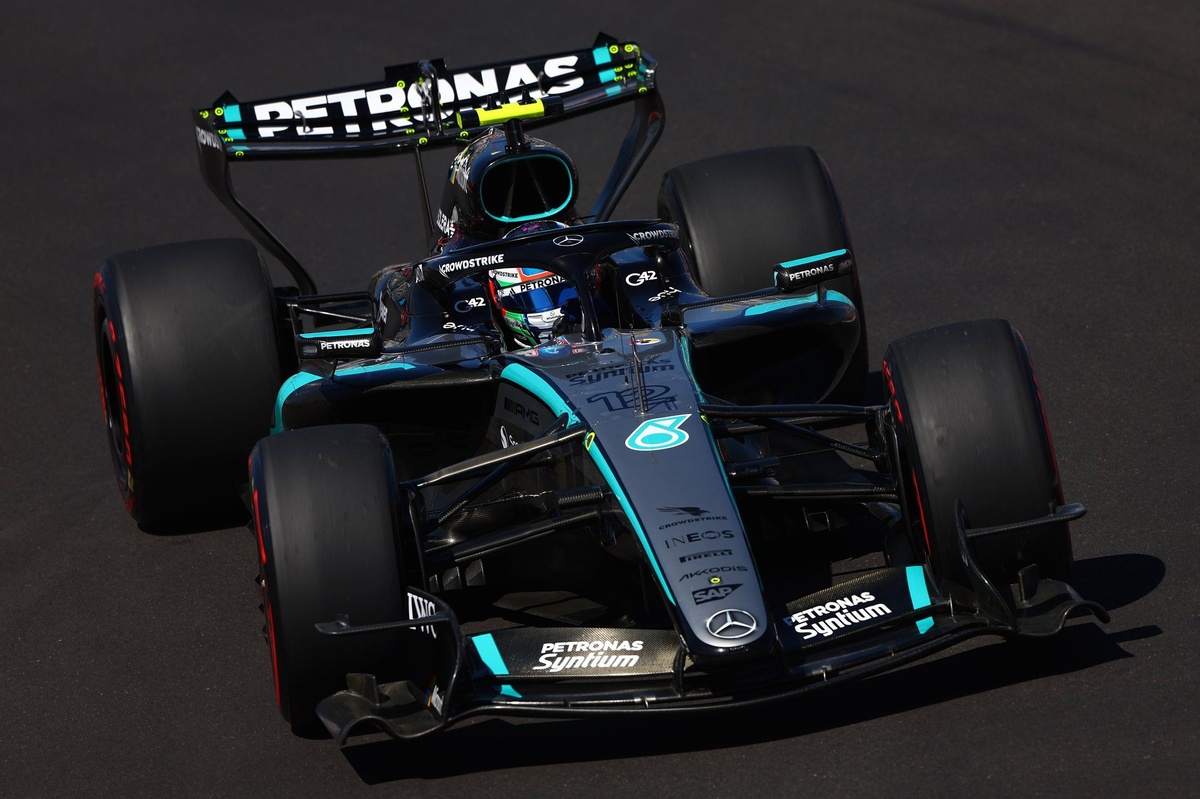
Mercedes seeks to break its pole position dry spell with the forthcoming upgrades for the Malaysia F1 race.