The unforeseen issue Honda faced even after its second F1 power unit enhancement
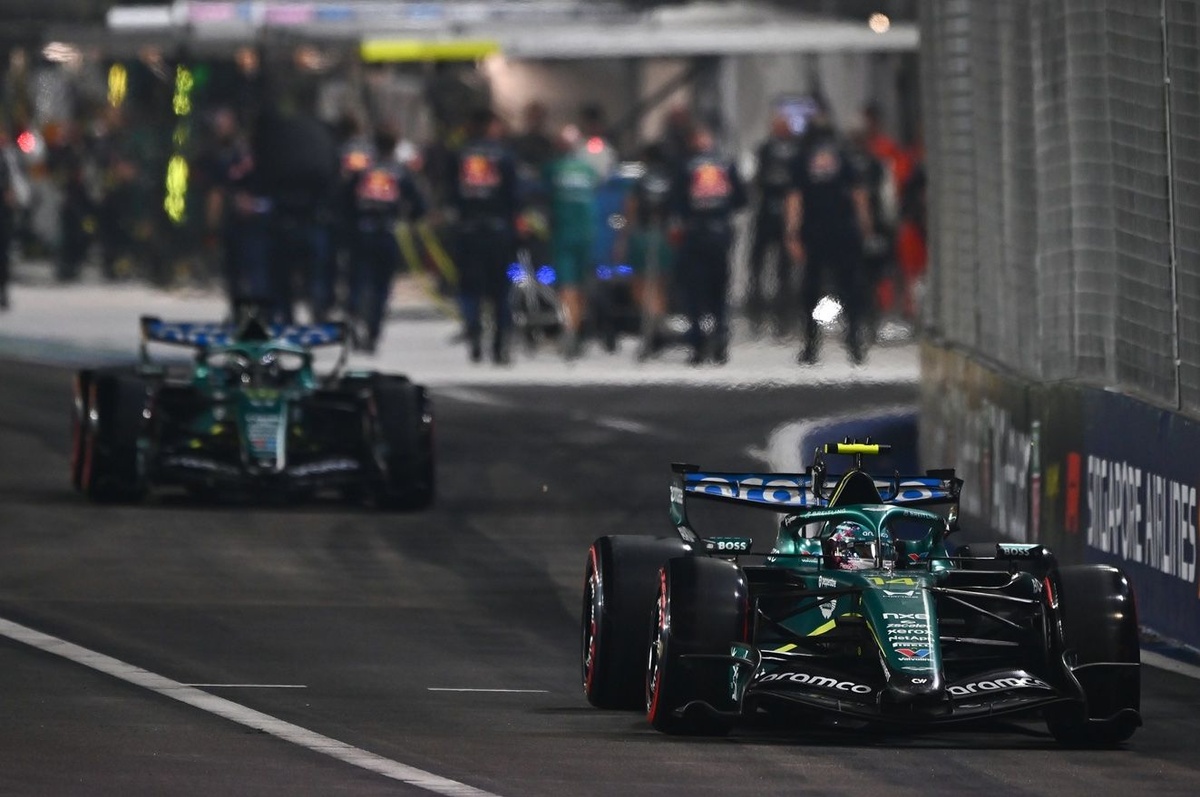
After an unexpectedly successful Formula 1 weekend in Malaysia, Aston Martin entered the Singapore race with elevated hopes, considering that the AMR26 was expected to perform well at this track.
Unfortunately, the realities at the Marina Bay Street Circuit turned out to be disappointing, with Fernando Alonso mentioning issues related to the Honda power unit post-race, especially regarding its driveability.
In response, Honda dispatched both its engineers and power units back to Sakura for thorough examinations. These assessments did not uncover any particular hardware faults. Instead, it was revealed that the Japanese manufacturer was mainly dealing with turbo lag – the delay in turbo response, which affects the time between pressing the accelerator and experiencing the turbo’s effect.
This is not a new challenge. In fact, it was among the factors that affected driveability with the new power unit specification that debuted at Zandvoort. It was precisely for this reason that Honda utilized its second ADUO token of the year in Madrid to introduce a new turbocharger aimed at resolving the issue.
However, when questioned by Motorsport.com, Honda's chief trackside engineer Shintaro Orihara indicated that unexpectedly, it became a problem again in Singapore.
“Although we implemented a new turbocharger to address turbo lag, we still faced difficulties managing that lag in Singapore due to the unique layout of the track and the energy-rich conditions. This resulted in some unpredictable acceleration for the driver,” Orihara conceded.
Shintaro Orihara, Honda Racing Corporation Trackside General Manager and Chief Engineer
When asked if the turbo lag could be partially mitigated by adjusting the MGU-K deployment, Orihara clarified that while this could help to some degree, it had also contributed to the problem in a different manner.
“MGU-K deployment can alleviate [the issue of] turbo lag, but not sufficiently to fully compensate for it,” he explained. “At energy-rich tracks, we typically utilize MGU-K harvesting to offset turbo lag. If we have sufficient MGU-K harvesting capacity, the engine can operate at a high level during off-throttle segments.
“That aids in managing turbo lag and is beneficial, but at energy-rich circuits, it can be challenging to achieve enough MGU-K harvesting due to the energy-rich conditions. In such cases, the engine's operational mode isn't adequate to control turbo lag, which is why we faced challenges in Singapore.”
The fact that Honda did not identify any specific issues during its evaluations at the Sakura facility might raise some concerns. It suggests that a similar problem could resurface when Aston Martin competes on another energy-rich circuit.
Nevertheless, Honda emphasized that valuable lessons have been learned, resulting in new strategies – not involving hardware changes, but rather focusing on how Honda manages the power unit through software and settings.
Lance Stroll, Aston Martin Racing
“Yes, we have gained insights from Singapore, and we are preparing countermeasures for the future,” Orihara stated. “We recognize the need to enhance our control over turbo lag. Currently, our control does not align with the drivers' expectations, so we are implementing some countermeasures. However, we still need to evaluate how effective those are on our power unit.”
The psychological lesson Aston Martin learned in Singapore
Regarding Singapore, Aston Martin's chief trackside officer Mike Krack expressed that the disappointment was magnified by unrealistically high expectations leading into the race weekend. This is another lesson Aston Martin has taken to heart and aims to avoid repeating in Austin.
“I often refer to them as the emotional dynamics,” Krack said when discussing the disappointment with Motorsport.com. “I believe Sepang possibly caught us off guard in terms of results and elevated expectations [for Singapore] to perhaps unrealistic levels.
“When you fail to meet those expectations for various reasons, it leads to disappointment for everyone, making the weekend more challenging. That’s quite evident.”
However, such dynamics can be hard to anticipate, particularly since driveability cannot be entirely captured through simulation tools, as Krack also recognized.
“It’s something that simulations cannot accurately portray,” he noted. “How much will this cost you, for instance? If you experience lag or what Orihara mentioned regarding the MGU-K issues, and how it impacts driveability. This goes beyond straightforward sensitivity simulations.”
Mike Krack, Aston Martin Chief Trackside Officer
Beyond understanding the root cause and the measures Honda has initiated, Krack emphasized that the team has also absorbed a psychological lesson from the Singapore setback.
“I believe it’s crucial to regroup following such an event and to analyze why it occurred, identifying the areas where we fell short and then deriving the appropriate lessons from it,” he said.
“And [it’s equally important] to manage our expectations more effectively, or at least to ensure that when we set expectations, we have a clear understanding of the risks that could impact them, which we failed to do in Singapore.”
More from this section
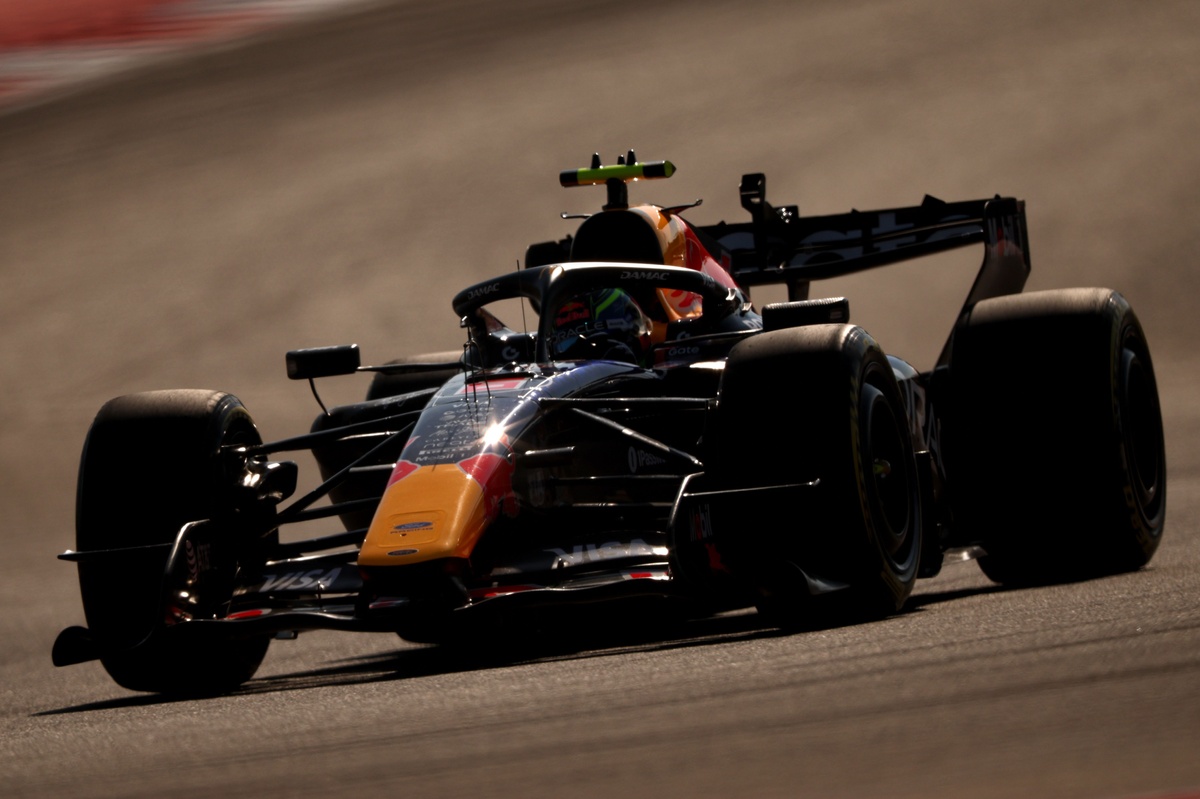
"Completely unmanageable" – Isack Hadjar seeking solutions following "significant" difficulties during practice in Austin.
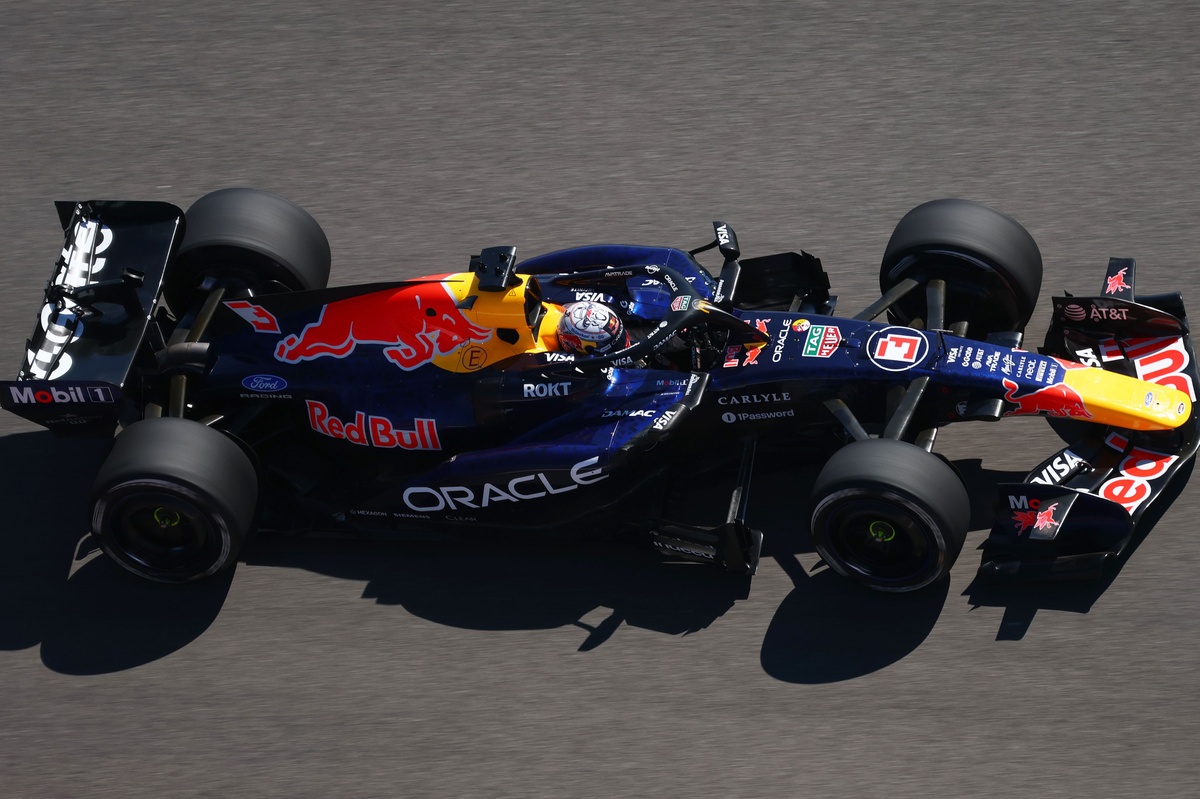
Red Bull highlights two "primary focus" areas following Max Verstappen's encouraging performance in Austin.
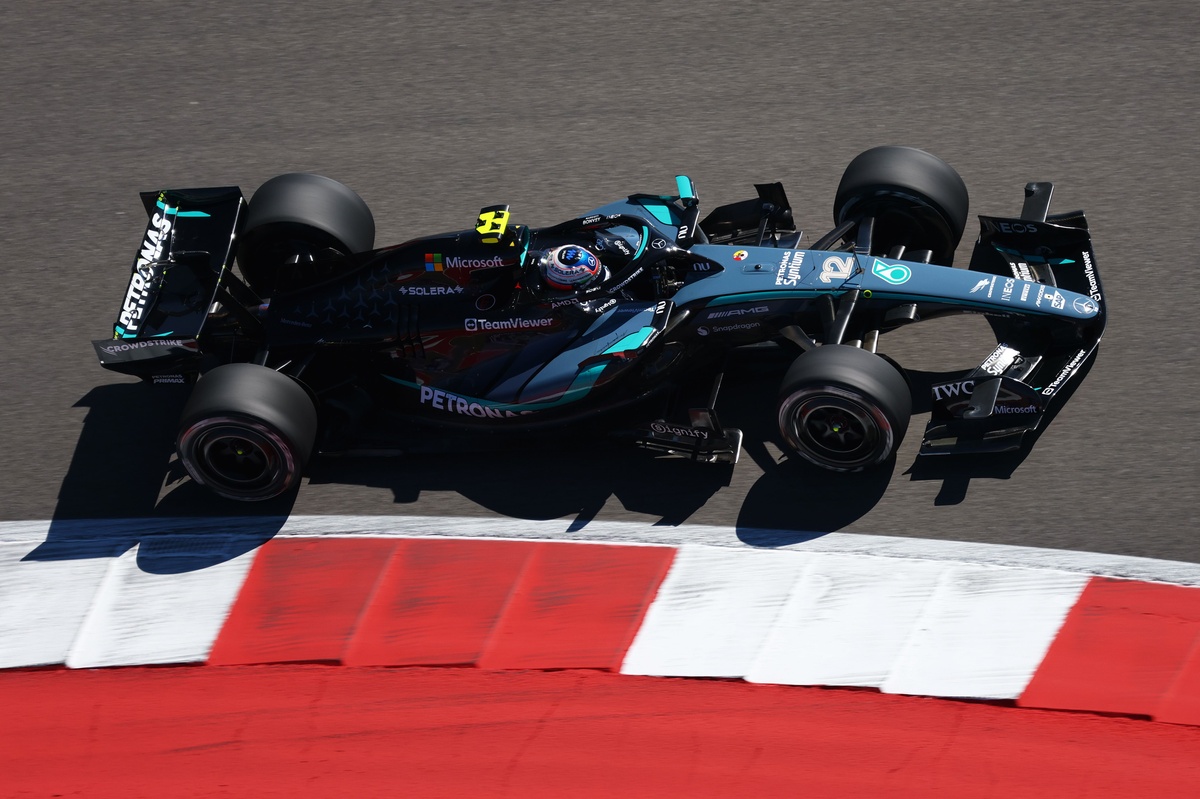
Kimi Antonelli praises "progress" at the United States GP as Mercedes continues to make strides with upgrades.
Lewis Hamilton acknowledges that Red Bull has accomplished what he believed was unfeasible.
Kimi Antonelli's rookie card is sold for an astonishing $878,400 as he approaches a chance for the F1 championship.