The use of dietary supplements among Moroccan athletes is increasing amid a lack of medical supervision.
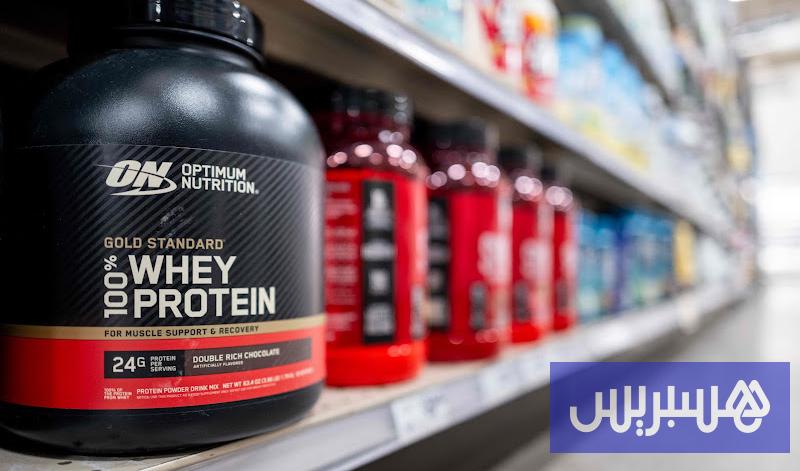
A recent scientific study involving 1,094 athletes from 14 universities or national sports federations in Morocco revealed that 38.1% of participants use dietary supplements, while only 27.3% of users do so under medical or nutritional supervision.
The study was published on September 19 in the journal Scientific Reports and was based on a cross-sectional survey conducted between December 2023 and October 2024, where data was collected electronically and directly from athletes reached through a convenience sample of 14 national sports universities.
The researchers noted that the nature of the sample makes the results exploratory and does not allow for generalization to all Moroccan athletes, but it provides preliminary information on patterns of dietary supplement use, the level of health supervision, and awareness of potential risks within the studied group.
Performance Enhancement as the Main Motivation
The results showed that enhancing athletic performance was the primary motivation for using dietary supplements, cited by 52% of users, while the study found no statistically significant differences between men and women in the rate of use of these products.
The researchers found that about half of the athletes included in the study lacked sufficient knowledge about the potential risks associated with dietary supplements, while only 27.3% of users acknowledged that they take them under medical or nutritional supervision.
The study also addressed the possibility of athletes inadvertently being exposed to banned substances in sports, either due to the presence of ingredients they may not be aware of or as a result of differences in the composition of some products from what consumers expect, making supplement use also related to anti-doping measures.
The researchers did not analyze samples of dietary supplements available in the market, nor did the study record positive doping cases that could be directly linked to these products, as the research focused on usage patterns and the level of knowledge and health supervision among participating athletes.
These figures, within the limits of the studied sample, show a disparity between the level of interest in supplements and the recourse to specialized follow-up, especially since more than half of the users linked their consumption to the desire to enhance athletic performance.
Age and Training Impact on Usage
In an exploratory statistical analysis based on 366 completed questionnaires for all variables in the model, the researchers found that athletes aged between 28 and 32 were more likely to report using dietary supplements.
Consultation with a health professional was associated with an increased likelihood of use, while a lower likelihood was recorded among athletes who train less than five hours per week, as well as among those who do not consider supplements necessary for performance improvement.
The study did not show statistically significant differences between men and women in the level of usage, while perceptions related to the importance of supplements for athletic performance emerged as a factor influencing the likelihood of their use.
Given the cross-sectional nature of the study, the researchers presented these results as statistical correlations within the sample, without considering them as evidence of a direct causal relationship between age, training volume, or consultation with health professionals and supplement use.
This research comes at a time when discussions continue in Morocco about regulating the dietary supplement market and controlling the sale of certain products, with the study focusing on how athletes use these products and the level of accompanying health support.
The Importance of Prevention and Anti-Doping
The researchers believe that the results could contribute to the development of education and prevention programs and improve the regulation of dietary supplement use among athletes, calling for further research based on more representative national samples.
The research received support from UNESCO, the Moroccan Anti-Doping Agency, and Mohammed VI University of Health Sciences, with part of the participants recruited during activities for the Moroccan Anti-Doping Agency, where three of the study's authors are affiliated.
The researchers confirmed, in a statement regarding conflicts of interest, that the funding bodies did not intervene, according to them, in conducting the study, analyzing the data, or interpreting the results.
The research emphasizes the importance of raising athletes' awareness of the ingredients of the products they use and their sources, in addition to enhancing the role of doctors, nutritionists, and sports organizations in supporting this type of consumption in the sports community.
More from this section
Al-Sahli wins the Valladolid Half Marathon title.

The U20 Lions secure a draw against Tunisia

Hassania Agadir defeated Kawkab Marrakech in Marrakech.

FUS Rabat defeats Nahda Zemamra.
Jordan secures a draw in the first match under coach Hassan Zaki.