Why Charles Leclerc opted not to emulate Lewis Hamilton’s driving technique during F1 2026 challenges
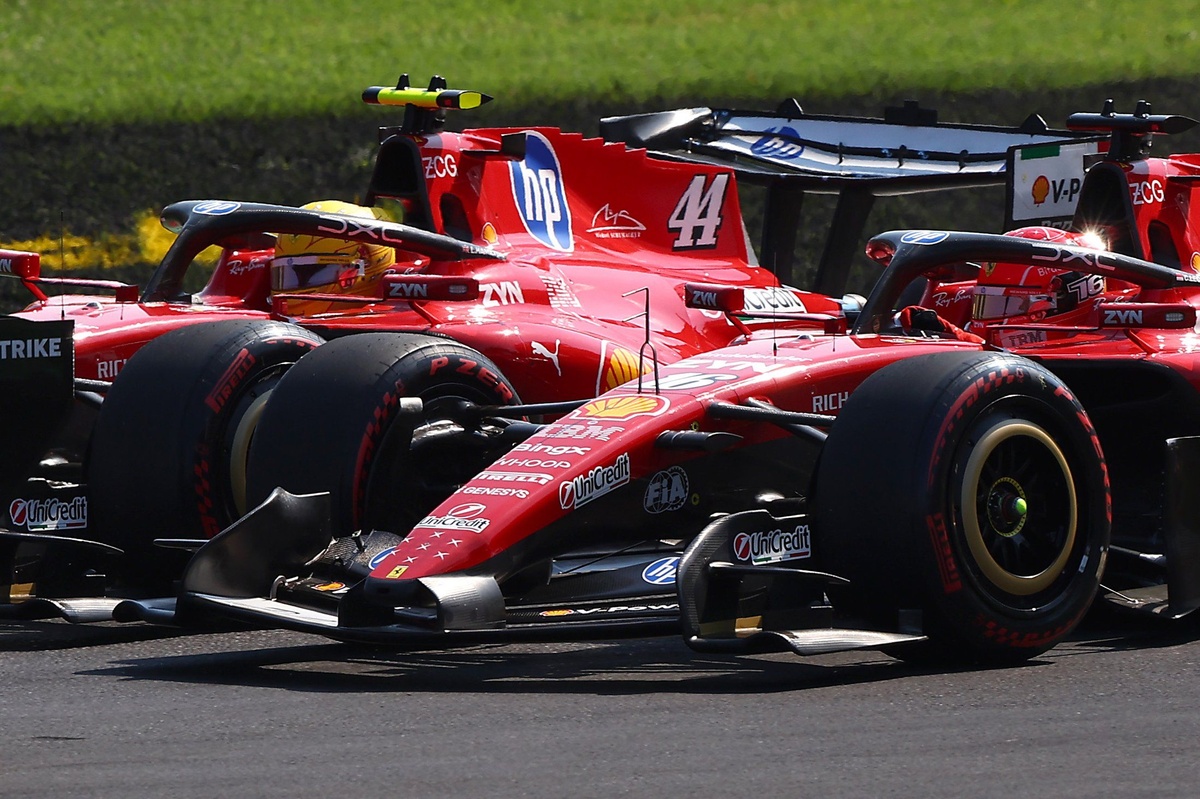
Charles Leclerc has shared his reasoning for not attempting to emulate Lewis Hamilton’s driving style during a challenging period of extracting performance from Ferrari’s 2026 Formula 1 car.
As the regulations shifted for this season, Leclerc faced difficulties with the Scuderia’s SF-26. Following a year where the Monegasque significantly outperformed team-mate Hamilton, their direct competition has been much closer in 2026.
In qualifying, which serves as a prime metric for assessing raw performance, Hamilton leads 10-9, although Leclerc has been 0.023 seconds quicker on average — a statistic influenced by his failure to set a time after crashing in Q3 at Barcelona.
This incident occurred during a challenging stretch for Leclerc. He was outqualified four times in the Canadian, Monaco, and Catalan races, earning just 16 points compared to Hamilton’s 64. The 28-year-old described this period as “something that was extremely difficult to manage with the car” during the Beyond The Grid podcast. This was further complicated by a bewildering crash in his home Grand Prix, which he attributed to brake supplier Brembo.
“When things don't go as planned, like they did in Montreal and Monaco, it's not solely about the results,” Leclerc stated.
“Barcelona was an improvement. And at Barcelona, I have no excuses in qualifying. That was just me pushing my limits too far.
Charles Leclerc, Ferrari
“I was certainly disappointed, but I could feel the car. When you have that feeling, you’re much more confident as a driver. But in Montreal and Monaco, that feeling was absent. Regardless of the result on Sunday, I wasn’t particularly concerned.
“What matters to me is that when I get into the car, I find the right feeling, enabling me to perform my role naturally without overthinking things.
“When you endure two consecutive races where things become challenging and the feeling isn’t there, you essentially have two choices: you can either find a workaround with the set-up to better match your natural driving style or you can alter your driving style altogether.
“In my situation, having Lewis as a teammate — who is in exceptional form — I recognized that his driving style was effective. It surely was working,” Leclerc articulated, reflecting ahead of the Italian Grand Prix. “So I still had the option to attempt to adjust. And I emphasize the word ‘attempt’ because it’s always a challenge to replicate someone else's driving style.
“It’s not as simple as saying, ‘Oh, Lewis does this, so I’ll do the same’. Lewis is an extraordinarily skilled driver, with a unique driving style that he excels at. Replicating that is quite difficult.
“I sought to push further in adapting the car to fit my driving style. However, I discovered a few aspects in the data that simply weren’t effective.
Charles Leclerc, Ferrari
“In Formula 1, things aren't always straightforward. It’s not just a matter of sitting down in front of your computer, analyzing the data, and saying, ‘Oh, this is a tenth and a half, let’s change that and gain a tenth’. It’s not that simple. It involves intuition, feeling, and identifying what might be making you less comfortable in the car; improving that feeling will lead to better performance.
“I identified a couple of things on the Friday night in Silverstone, adjusted them for Saturday's qualifying, and the feeling improved significantly, even surpassing that of Barcelona. From that point on, I felt things were heading in the right direction.”
Leclerc’s breakthrough at Silverstone placed him on the front row for the British Grand Prix, just 0.175 seconds behind Mercedes’ Kimi Antonelli and 0.172 seconds ahead of Hamilton. He took the lead at the start and dominated the race, securing his first victory since 2024.
A switch to Carbone Industrie brake discs is believed to have played a role in Leclerc’s resurgence, which wasn’t merely a return to the sensations he experienced at the Melbourne season opener, where he achieved a promising podium finish.
“The car is continuously evolving, so it’s not like I can revert to the feeling I had in Melbourne. It’s changing,” Leclerc clarified.
Charles Leclerc, Ferrari
“My aim is to get into the car without overthinking. Overthinking causes you to lose time because our sport relies less on reacting to what’s occurring in the car and more on anticipating and feeling the car as your own. When approaching a corner, I need to know precisely how the car will respond so I don’t have to overanalyze.”
Since his Silverstone victory, Leclerc has been the third-highest points scorer over the last six races, accumulating 88 points, trailing only Antonelli’s 121 and Lando Norris’ 107; his record is marred only by an early crash in Monza, as he finished in the top five in every other race.
In contrast, Hamilton has only managed to score 66 points during this timeframe, although he was taken out of the Madring race due to brake issues.
More from this section
2025 F1 Academy titleholder Doriane Pin establishes a timeline for securing a Formula 1 racing position.

McLaren unveils an exclusive behind-the-scenes glimpse of Lando Norris's hypercar test.
Mercedes and Aston Martin face off in a charity football match: Check out the outcomes.
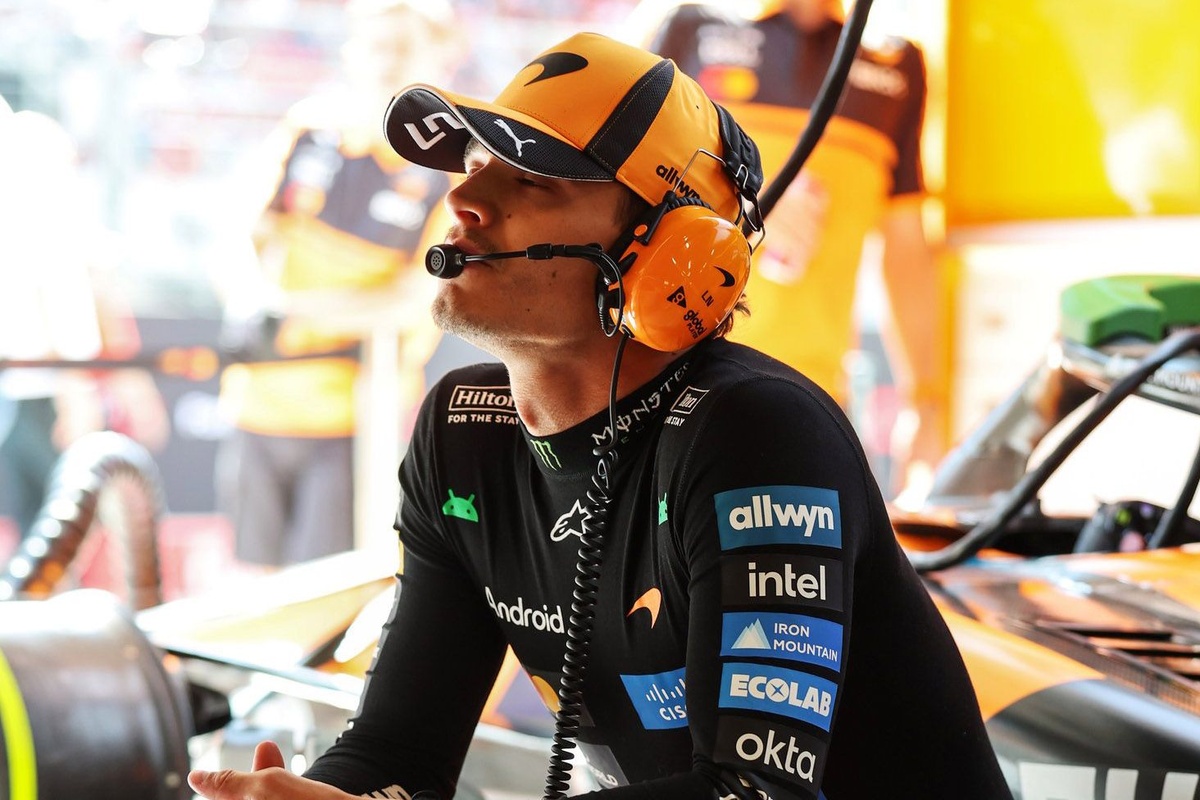
Lando Norris forecasted to surpass George Russell in the 2026 Formula 1 rankings.
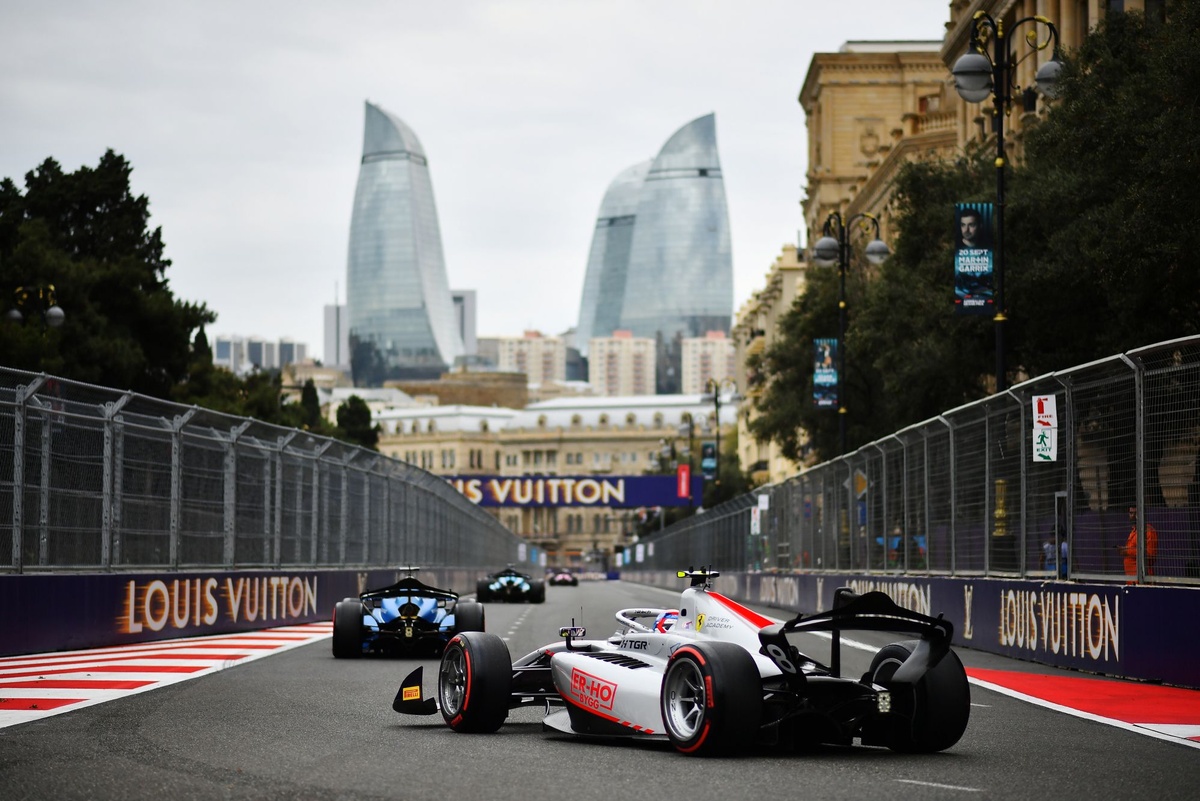
F2 expands Baku lineup with additional feature race – could this hint at F1's direction?