Will the "big swing" upgrade for the Williams F1 car prove to be a success or a failure?
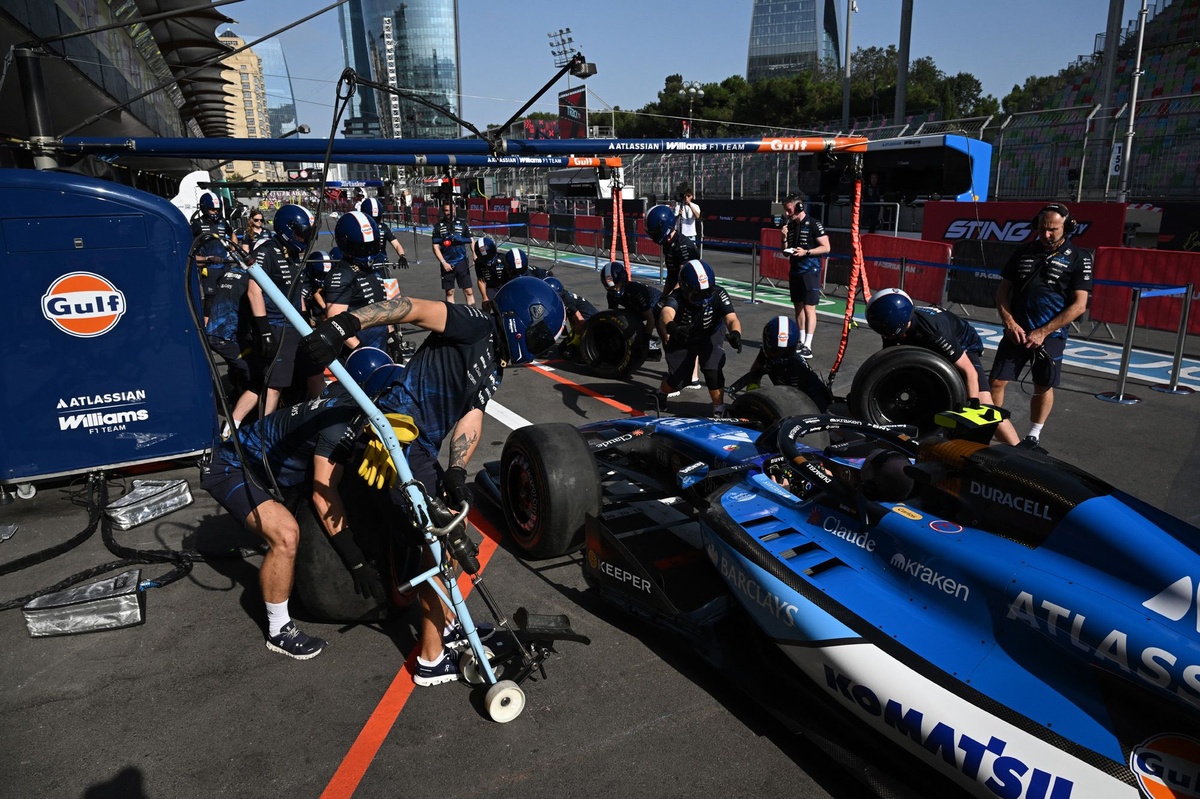
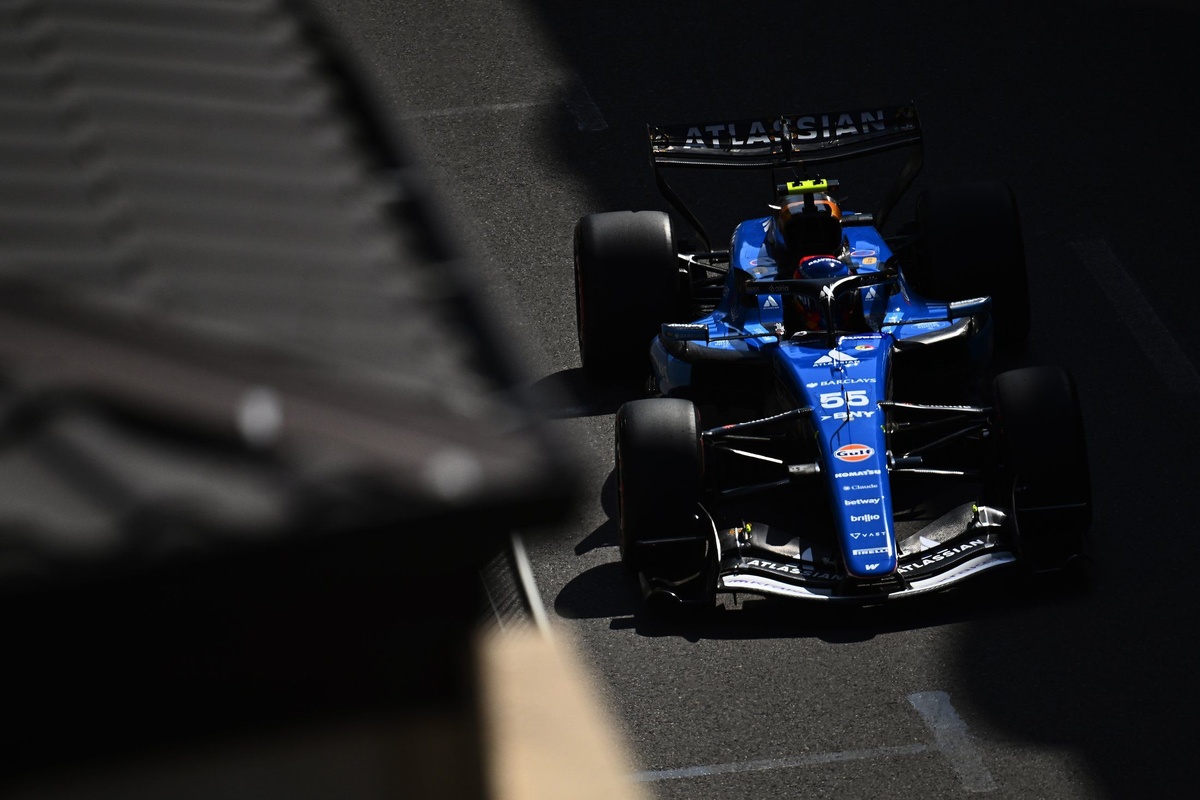
Williams is set to unveil a significant update package at the Azerbaijan Grand Prix, one that team principal James Vowles had previously promised would result in an "almost entirely new" car.
What remains uncertain at this late juncture is the effectiveness of these updates – both regarding immediate performance enhancements and the trajectory of development for 2027.
Alex Albon has labeled it a "major step," while teammate Carlos Sainz – who secured a podium finish for Williams in Baku last year – noted that it aligns "more with what we should have begun the year with" and is unlikely to be revolutionary.
Although the required FIA "car presentation" document detailing the upgrade mentions various aerodynamic modifications, the most crucial advancement is not visible from the outside: a new chassis that incorporates significant weight-saving measures.
The FW48 was completed late and missed the pre-season shake-down due to failing crash tests that necessitated reinforcement in key areas. Its performance so far has been marked by inefficient downforce, handling issues that have plagued Williams for multiple seasons, but most critically, excessive weight. The car is believed to have started the season at least 20kg over the minimum weight threshold.
This scenario necessitated a revision of the upgrade strategy, as a general rule, every kilogram over the weight limit translates to approximately 30 milliseconds of lap time loss, depending on the track layout. The package implemented in Miami, which focused on a new floor and front wing alongside the introduction of a Ferrari-style exhaust winglet, was said to have brought the FW48 closer to its intended performance level at the season's onset, although it still remains overweight by an unknown margin.
Alexander Albon, Williams
Subsequent updates have been relatively minor and sporadic, primarily revolving around weight reduction and implemented as load-bearing components reached the end of their lifecycle. This, Vowles explained earlier this season, was intended to minimize costs so the team could focus on other expenditures within F1's budget cap.
However, this has also shaped expectations regarding what the long-anticipated B-spec FW48 would look like upon its arrival in Baku. Realistically, having fallen out of step with competitors, Williams is unlikely to recover all the deficit it has amassed – particularly as other teams have continued to roll out their own updates following the approval of this package for production.
"Obviously we've been dealing with a significant weight disadvantage this year, and I think heading into this weekend we've got ballast on the car," Albon remarked to Motorsport.com when queried about his genuine expectations.
"So, you could envision a substantial shift in multiple aspects. It's, again, a testament to how much effort we've been putting in behind the scenes. A lot of new technology and innovation has been introduced to accomplish that.
"The weight itself is undeniably a crucial factor, and weight is a certainty in terms of lap time. So that's why we have confidence that it will be a positive step, regardless of how the aerodynamic side performs. But yes, it's a solid upgrade.
"What you also need to recognize is how well the midfield, particularly this year, are progressing with their upgrades. So even though we have a significant update, it's not enough to outpace the midfield at this moment.
"So, it's a valuable one, and in any other year it would have been a substantial one, but given the circumstances this year, it won't elevate us back into contention with that group."
Carlos Sainz, Williams
While reducing weight inherently leads to gains in lap time, this benefit diminishes once the car reaches the minimum weight. Should the chassis be brought below this threshold, there is potential to fine-tune its handling through strategic placement of the ballast needed to return to the limit.
Beyond that, further performance improvements largely depend on aerodynamics, power unit management, suspension geometry, and set-up. Earlier in the season, Williams adjusted its rear suspension geometry.
The Baku update, in addition to the lighter chassis, includes a new floor and rear assembly with varied aerodynamic geometries at both the front and rear. There are also detailed modifications to the flow conditioners on the front and rear brake assemblies, along with the rear suspension.
Aerodynamic development in Formula 1 is an iterative and gradual process. There isn't a single component that can be altered or swapped to achieve a lap time gain of around half a second. Each part must function as part of a flow system with downstream components, and the effectiveness of changes can only be accurately assessed on the track.
Consequently, Williams has effectively stagnated while competitors have found incremental improvements. They will not recover the entire deficit with a single package that is yet to be optimized through track testing – similar to how Aston Martin made significant revisions to its delayed AMR26 for Hungary, resulting in merely a less poor performance than before.
"I think probably in Madrid we hit the lowest point, as low as you can get around the circuit for Williams because we were over three seconds off the pace, more than a second and a half behind the midfield drivers," Sainz stated.
Carlos Sainz, Williams
"Clearly, the lack of development throughout the year had built up to that point and now we are introducing something that is more in line with what we should have started the year with. But it’s still what we should have initiated with, not at race 14 or race 15 of the season.
"Therefore, we are still dealing with the deficit and the challenges from the winter, and it will take until next year, possibly even halfway through next year, to reach a performance level that I believe is reasonable and where the team can demonstrate its capabilities.
"In a track like Madrid, we were a second and a half off the midfield leader, and I am aware that we are not bringing one and a half seconds to Baku. So it will not be a disappointment because I am realistic, and I understand the figures we are working with."
More from this section

Jacques Villeneuve points out the obstacle confronting female F1 racers following Jamie Chadwick's test with Williams.
Lando Norris: McLaren's shortfall in Baku feels like a "blade to the heart"
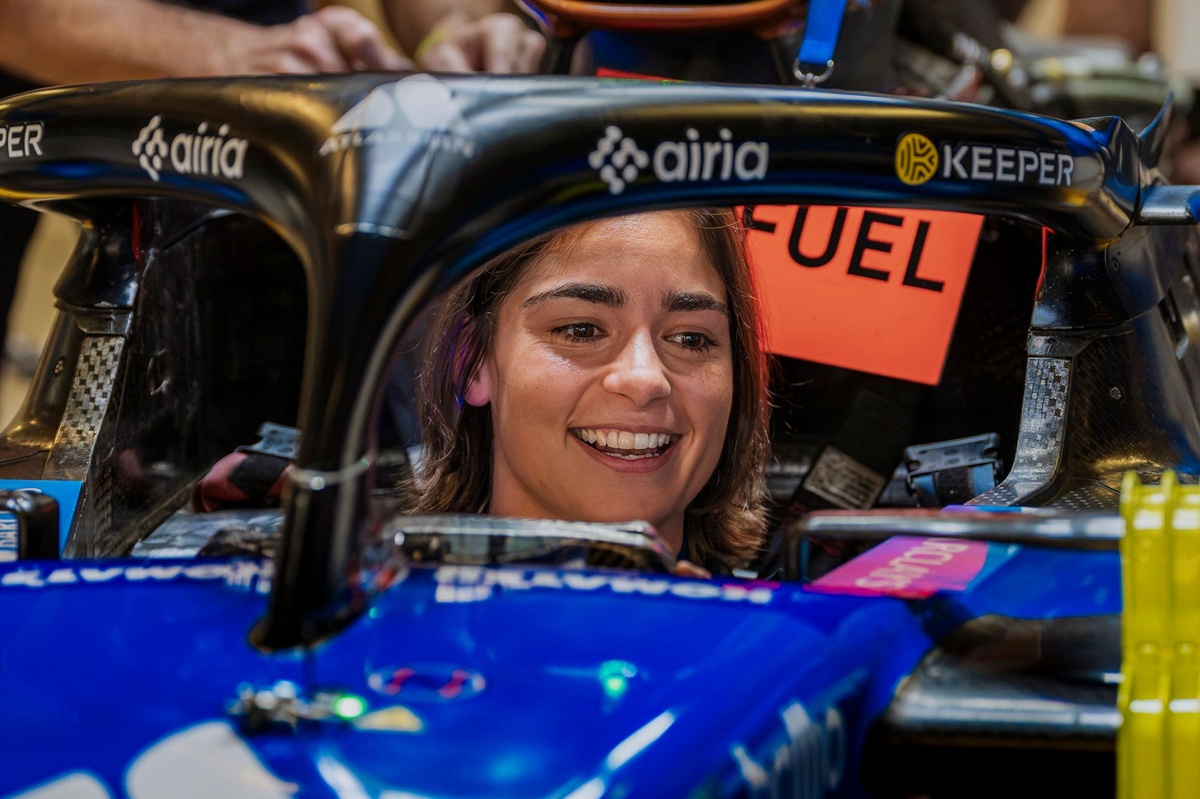
Jamie Chadwick becomes part of a select group following her test with Williams F1.
Fernando Alonso and Lance Stroll receive grid penalties for the Azerbaijan GP due to modifications made to their Honda F1 power units.
James Hinchcliffe: Williams F1's weight advancement provides "extra lap time" in Baku