According to Alex Albon, Williams offers superior cooling vests compared to all competitors.
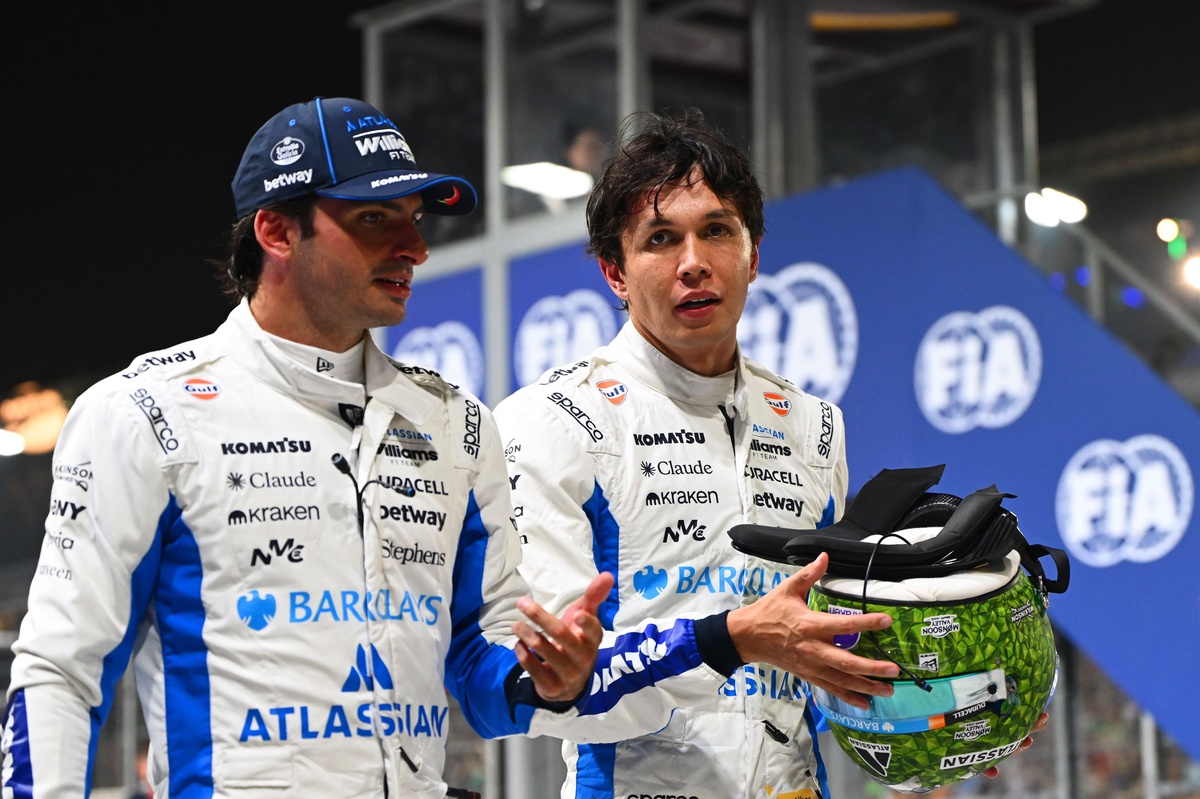
Alex Albon has referred to Williams’ cooling vest as “the finest on the grid,” following a successful outing at the Singapore Grand Prix for the British-Thai racer.
A Heat Hazard was announced for the Marina Bay event, allowing drivers the option of wearing a cooling vest or adding the equivalent weight to their car. This regulation arose after the demanding 2023 Qatar Grand Prix, where several competitors faced heat-related issues.
The choice was straightforward for Williams. Albon’s race was challenging – brake overheating required him to manage his performance carefully, and he ultimately had to retire late in the race – but he still had reasons to be pleased on Sunday evening.
When asked about his condition post-race, conducted under a 30C ambient temperature and humidity reaching 78%, Albon stated: “Very good, actually.”
“I must say, as a team, we've really excelled with our cooling suit. Initially, my cooling suit was inactive for the first 10 laps, and I feared it would be a long race. Then it activated, and it was quite comfortable.”
“I know many drivers are opposed to it. Some teams struggle with its implementation. Given all the difficulties we've faced this year, our cooling suit is the best on the grid. I'm quite satisfied with it.”
Alexander Albon, Williams, George Russell, Mercedes
This echoed teammate Carlos Sainz’s comments earlier in the weekend: “If there's one aspect we've excelled in as a team this year, it's the cooling vest, which has certainly provided Alex and me with a comfortable experience inside the car. We're very pleased to have it.”
Other drivers expressed their discontent with the device during the media sessions on Thursday.
Pierre Gasly remarked that he had “no need for it,” while Isack Hadjar went further, asserting “it should be banned” because “it's meant to be tough.”
While Hadjar’s viewpoint was more philosophical, regarding what he believes F1 should represent, Red Bull teammate Max Verstappen agreed for more practical reasons.
“For me, it's unnecessary,” Verstappen stated. “Yes, it’s hot, but it’s not a sauna, and with this cooling vest, you have these ridiculous cables in your car, which limit your movement as well.”
“I don't require it. Even if it were effective for one-and-a-half hours, like really cool, I don't need it. It doesn't even function for that long anyway. I doubt it has ever worked for one-and-a-half hours in any category.”
Pierre Gasly, Alpine, Isack Hadjar, Red Bull Racing
The primary reason the cooling vest isn't favored by everyone is its propensity to heat up quickly – sometimes as hot as the UK's beloved beverage.
“When I used it last year, I had two very unpleasant experiences,” Kimi Antonelli recalled. “The first time it didn't last as long as we hoped, and the second time the pump system malfunctioned. It happened in Austin, and I endured the entire session with the system pumping water at 50C. I experienced heat stroke afterward, so it was quite unpleasant. Since then, I’ve decided to train hard to avoid relying on it during weekends.”
“If it's refined, and we reach a point where it’s reliable and works for the duration we need, I think it’s very beneficial because it does help keep you cool. But right now, there’s a lot of uncertainty; we just can’t be sure – imagine you head into Sunday, put it on, and after 30 minutes it stops working, and then hot water is even worse. So on that front, I just want to be assured that it will function properly, and once we have the confidence in it, maybe I will consider using it.”
There may not be any more Heat Hazards this season, based on the current weather predictions for this weekend's Austin round; the only other realistic chance for ambient temperatures to surpass 31C would be at the Qatar Grand Prix, which faces the risk of cancellation due to the ongoing conflict in Iran.
Additional reporting by Jake Boxall-Legge and Ronald Vording
More from this section
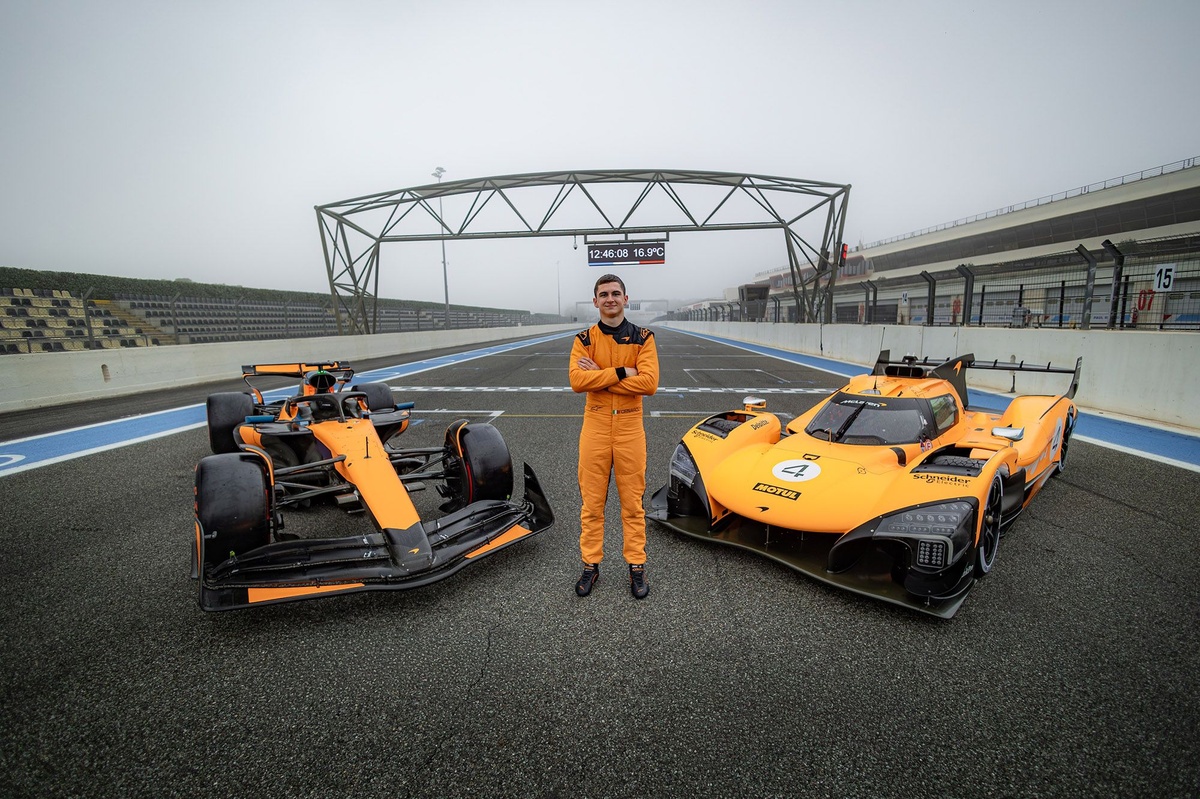
McLaren keeps Leonardo Fornaroli in Formula 1 as the Italian incorporates a WEC program for 2027.
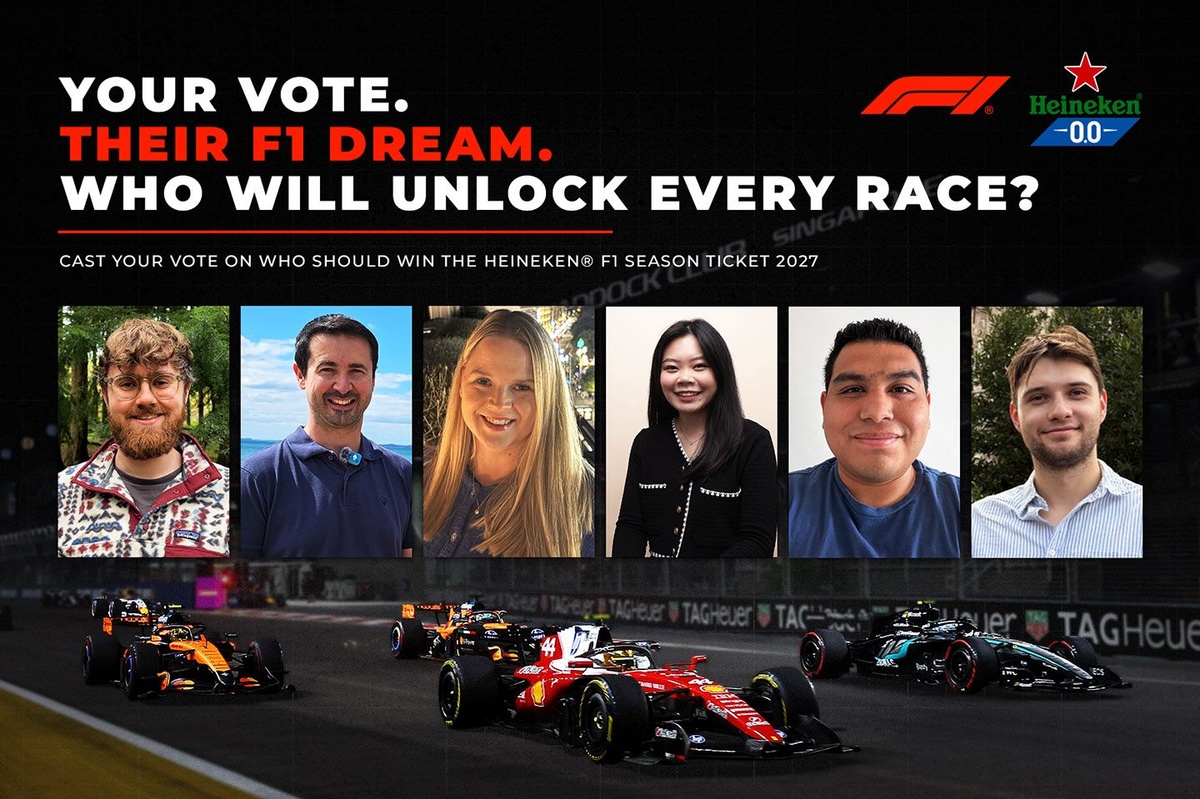
Who will claim this year's ultimate F1 dream ticket? The choice is yours…
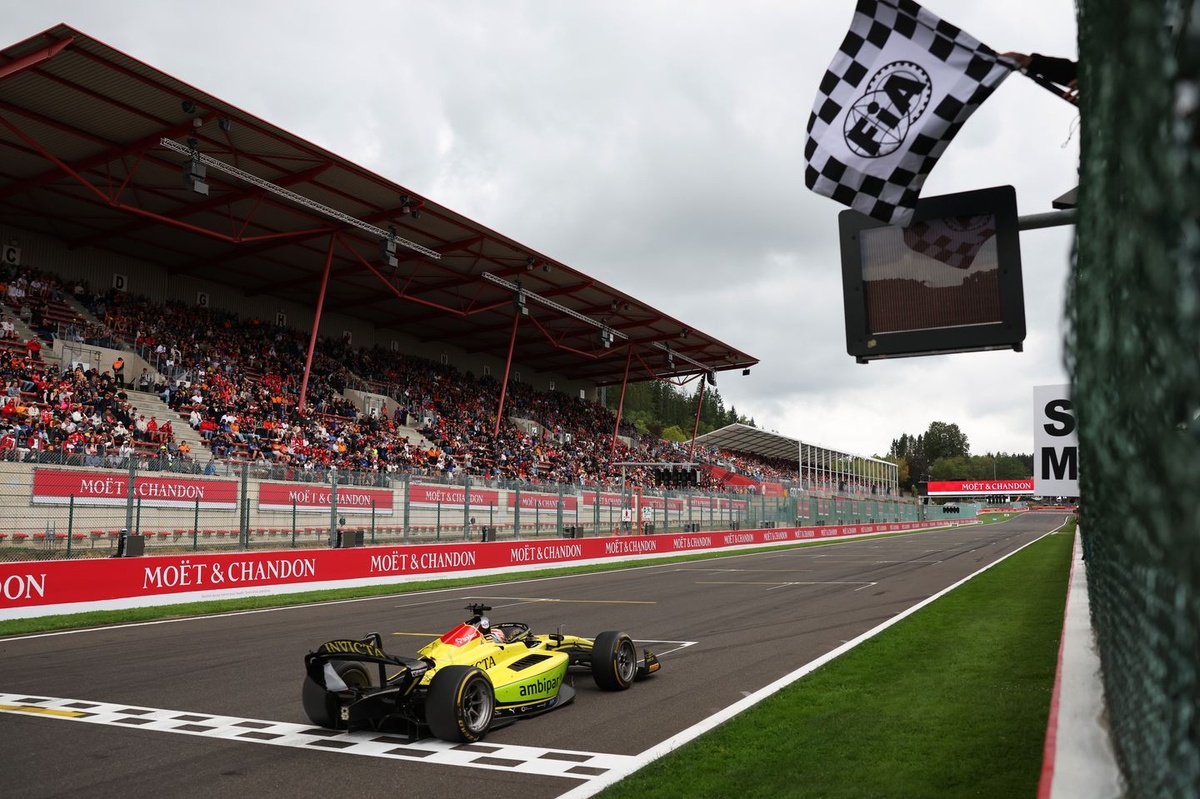
F2 dismisses the notion that its championship contest could be concluded due to the conflict in Iran.
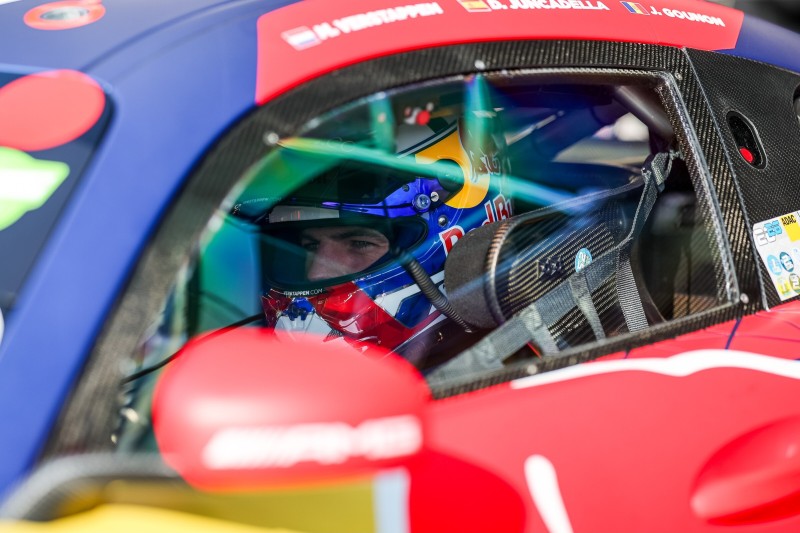
Max Verstappen: Frequently Asked Questions about his GTWC Europe debut
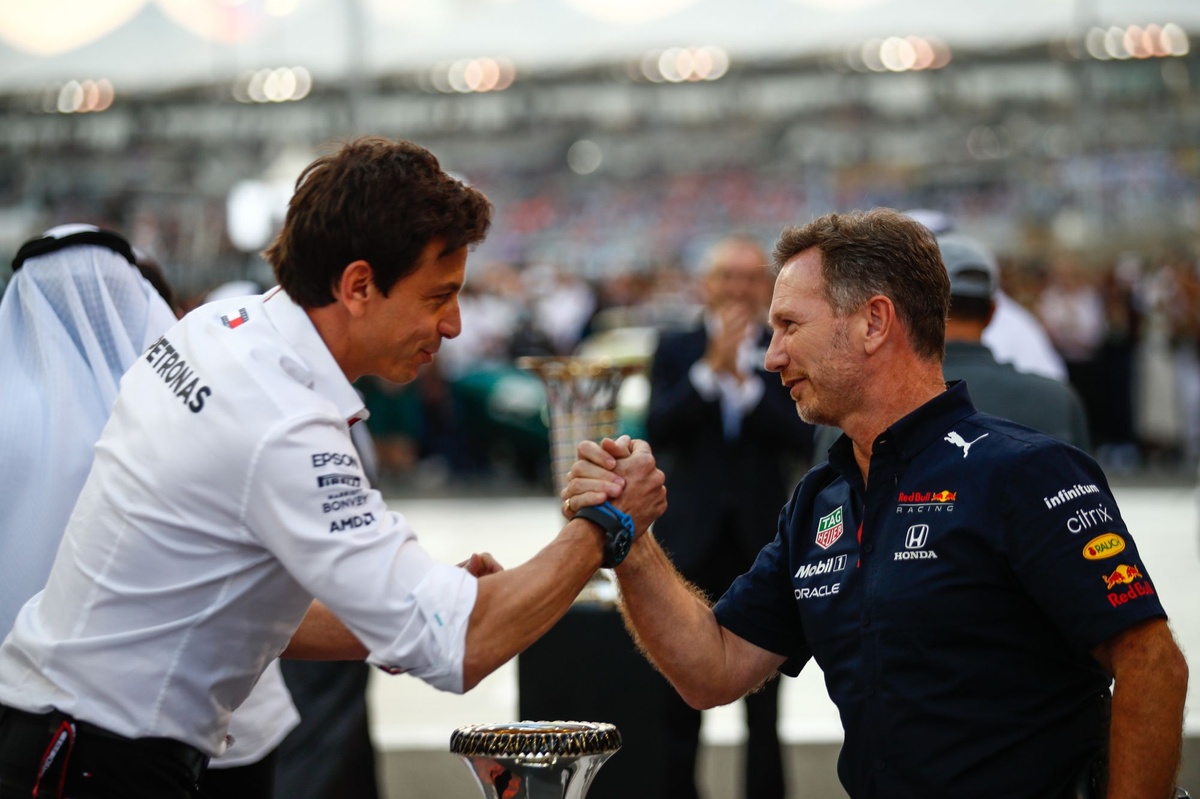
Christian Horner acknowledges that the rivalry in Formula 1 with Toto Wolff has turned into "theatre."