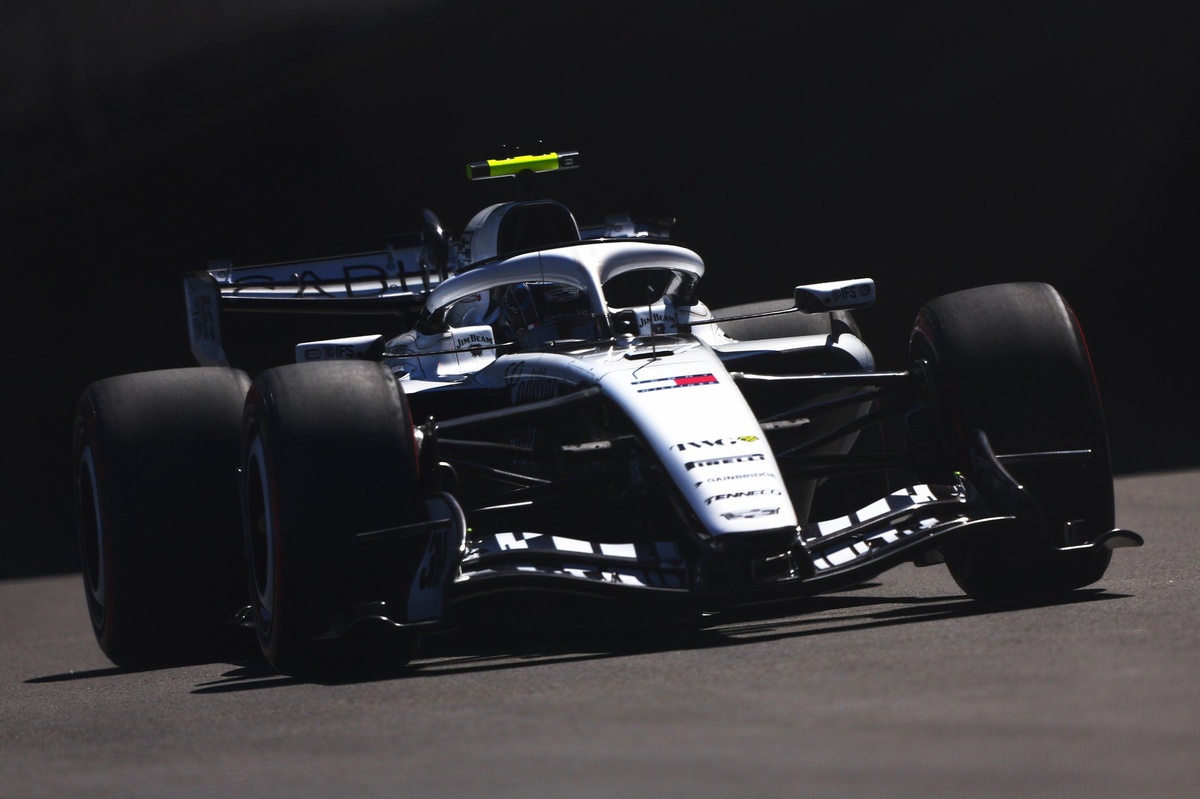
What is causing the postponement in the cancellation of the Qatar and Abu Dhabi Grand Prix events?
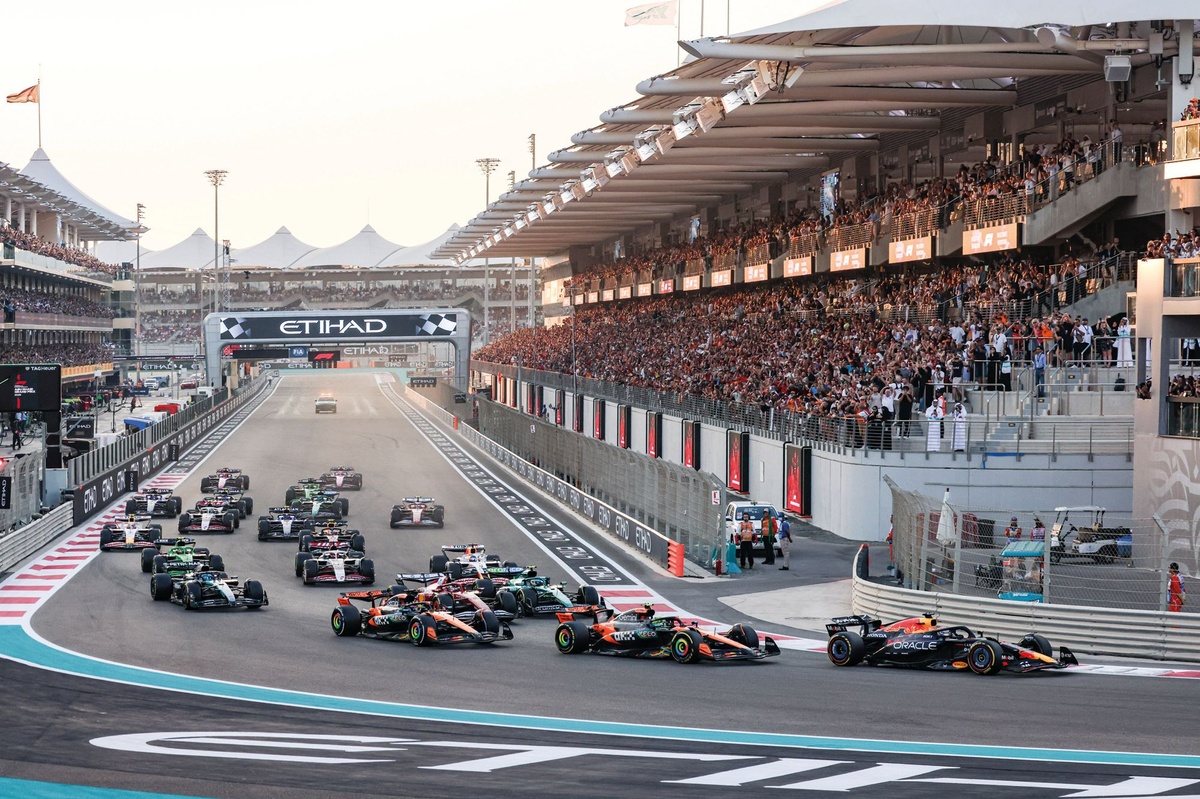
In light of the persistent unrest in the Middle East, it has been presumed for several months that the cancellation of the season-ending Qatar and Abu Dhabi Grands Prix is not merely probable, but unavoidable.
The holder of the commercial rights has been developing backup plans while publicly asserting that these events are still on schedule. Many within the F1 paddock have mirrored this sentiment: hotels in the vicinity of Imola are nearly fully booked for the weekend corresponding to the Abu Dhabi race.
Even with the prevailing expectation that Qatar and Abu Dhabi will likely be called off, the promoters of those events remain outwardly committed to proceeding as planned. Abu Dhabi has even announced a lineup of musical acts including Zara Larsson, The Script, Imagine Dragons, and Lewis Capaldi. However, those who pay attention to social media will note that Larsson has since stated she will not be attending.
This situation is part of a continuous negotiation over who will bear the financial burden. Generally, when race promoters cancel events, they are the ones who face financial losses, as their agreements with F1 require them to pay the sanctioning fee regardless. Conversely, if the commercial rights holder decides to cancel, it forfeits those fees.
The sanctioning fees for Qatar and Abu Dhabi have been reported to be $55 million and $40 million per year respectively, although these estimates are believed to be highly conjectural. Still, the amounts involved are considerable.
Contracts differ among promoters, particularly for those races funded by state entities rather than typical commercial organizations. However, when events are canceled and funds are lost, disputes over liability often arise, particularly when cancellations are driven by external factors.
The commercial significance of hospitality, trackside advertising, and various sponsorships means that the potential financial ramifications extend well beyond just the sanctioning fees. This is why Bahrain is hosting its race in Malaysia, effectively leasing the circuit to ensure both it and F1 meet their contractual obligations.
F1 is going to Malaysia for the Bahrain GP this year
“We will make the decision at the appropriate time,” stated F1 CEO Stefano Domenicali at the end of July. “That moment will not be before mid-September. As of now, the races in Qatar and Abu Dhabi are confirmed.
“By the way, they are already sold out. That is an incredible indication of how much the sport transcends the issues our world is facing. However, if the situation does not become clearer as we believe it should, before mid-September, we will make the call.”
This statement reflects a somewhat tone-deaf view on F1’s significance in relation to global politics, while also creating ambiguity regarding when a decision would be reached: before or after mid-September? Regardless, that date has now passed.
Domenicali also clarified that if the last two races were to be canceled, the season would not conclude with back-to-back events in Las Vegas. While some sources still suggest this may happen, it is not the case. F1 must navigate carefully around other stakeholders in Las Vegas, and it is understood that local businesses would not welcome back-to-back events. Additionally, a double-header would conflict with the Thanksgiving holiday.
The necessity to secure a venue for a final race, should the Qatar and Abu Dhabi GPs not take place, is also a contractual matter. Currently, if these two were to be removed from the calendar, F1 would be left with 22 races. While this would allow it to fulfill most of its broadcasting contracts, at least one is believed to stipulate 23.
Imola was seen as a certain choice for the season finale, but during the Italian Grand Prix weekend, it became apparent that F1 has encountered significant resistance from Qatar and Abu Dhabi regarding the cancellation of their events. The most commercially favorable outcome would be for the proposed race in Imola to serve as a substitute for one of them, similar to how the Bahrain Grand Prix is being held in Malaysia.
Imola is poised to host an impromptu F1 finale
However, it is understood that both Qatar and Abu Dhabi are intent on projecting an image of business as usual, especially given their significant investments in making their airports major international travel hubs.
Challenging days are ahead for the commercial rights holder, as a decision will soon be necessary for logistical reasons. In its aim to achieve net-zero emissions by 2030, F1 has increased its reliance on shipping for transporting equipment. This naturally results in longer lead times.
In addition to the timelines associated with sea-freighting infrastructure to the Gulf, there is the practical concern of navigating the Strait of Hormuz, a critical passage that can be affected by the state of hostilities between Iran and the USA. Should the final rounds remain scheduled as is, a larger volume of freight would need to be transported by air, increasing both costs and emissions.
As this game of brinkmanship unfolds between the commercial rights holder and the Middle Eastern promoters, the teams are also left with concerns. If they are required to move equipment and personnel to areas near military targets amid ongoing conflict, it’s unlikely their insurance will cover such risks.
More from this section

Assessment: What Formula 1 Enthusiasts Can Anticipate from "Schumacher '94"

McLaren Racing and Edward Jones collaborate in a multi-year partnership for both F1 and IndyCar.

Pierre Gasly labels social media harassment as “entirely unacceptable” following the Franco Colapinto incident during the Spanish Grand Prix.
What is the reason behind a Formula 1 race being 305 kilometers in length? A look at race distances from 1950 to 2027.
Sebastian Vettel shares his thoughts on the discussion surrounding F1's 2026 regulations: 'We must merge the elements we cherish.'