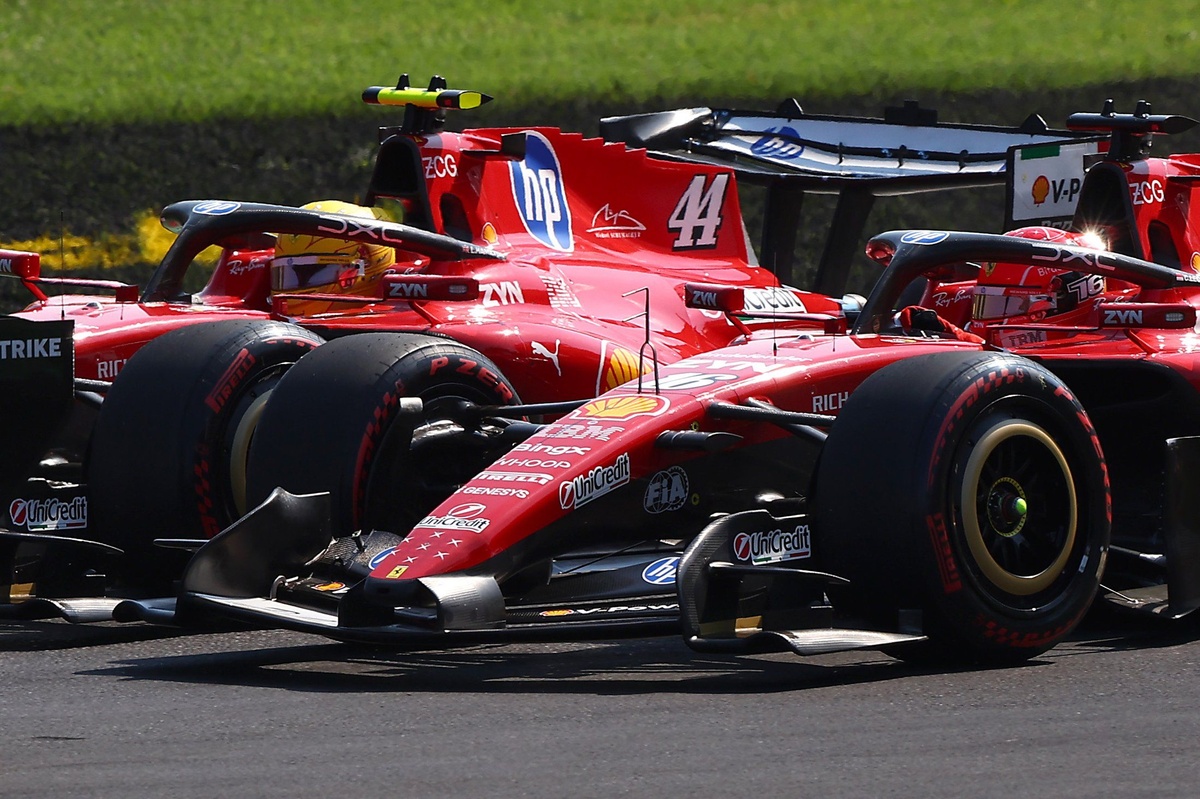
F1 greenlights condensed races for 2027 to align with updated power unit strategy.
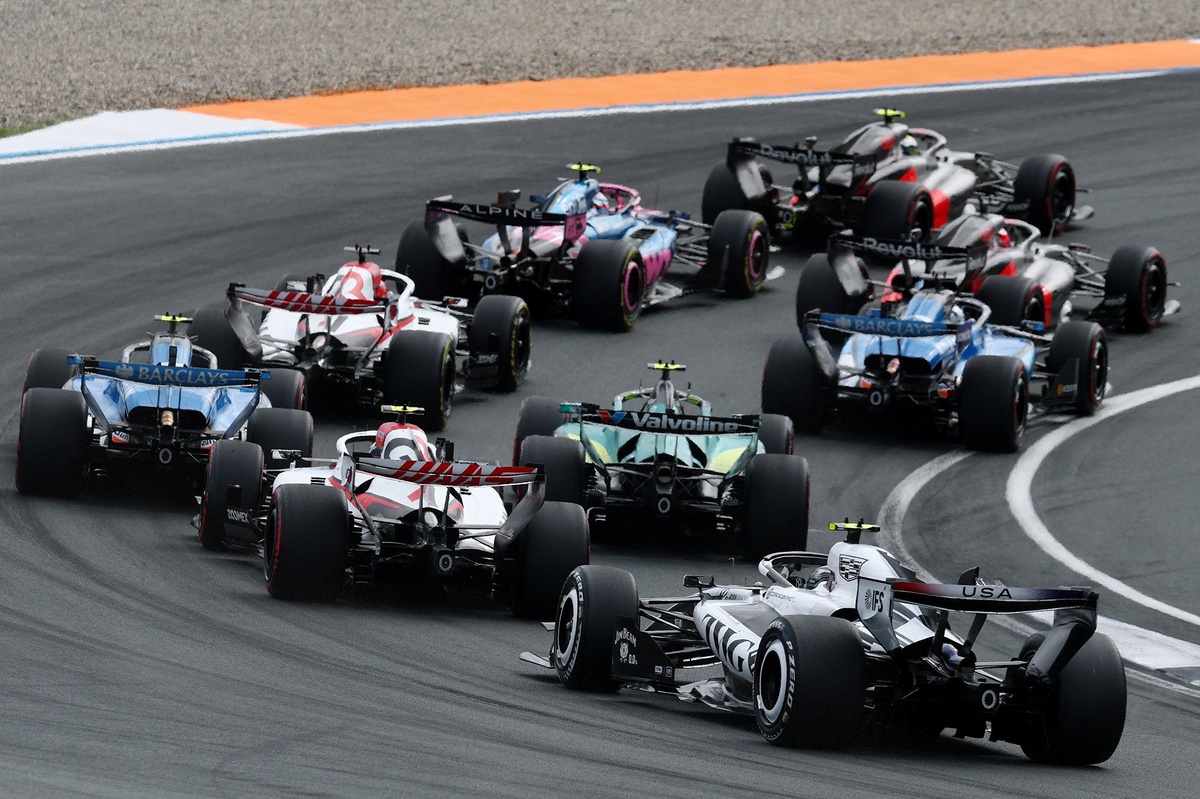
The Formula 1 Commission has approved the planned modifications to shorten race distances in 2027 by 15km, aligning with anticipated changes to power units for the upcoming season.
During the F1 Commission meeting in London on Monday, the agreement was reached to reduce the standard grand prix distance from 305km to 290km, pending the endorsement from the FIA's World Motor Sport Council, aiming to lower costs related to chassis adjustments necessary for the modified outputs from each powertrain element.
For 2027, it had been decided earlier to enhance the output of the internal combustion engine while decreasing the power from the electrical components to recalibrate the formula, aiming to lower the instances of superclipping and energy harvesting during races.
The ICE will be upgraded to a power level of 420kW, whereas the maximum output from the MGU-K will be capped at 300kW, except in overtake mode, which will remain at 350kW. To facilitate this change, the fuel flow for the engine has been increased by five percent to support the anticipated power boost.
Instead of enlarging the fuel tank capacity to accommodate the higher fuel flow rate, the FIA and FOM have opted to reduce race distances for the next season, minimizing the chances of drivers running out of fuel at the conclusion of the race. This adjustment will generally result in a reduction of about three laps at most circuits.
It remains uncertain whether the shorter race format will continue into 2028 when the powertrain regulations will be revised once more. In 2028, the ICE power is set to increase to 450kW, accompanied by a 13% rise in fuel flow to achieve a 60/40 division in power delivery between combustion and electric, which will require a larger fuel tank.
The F1 Commission has also proposed additional changes to be considered by the WMSC, including a revision of the timing procedures for grand prix race interruptions. The existing two-hour limit will remain, but the current maximum three-hour window for races affected by red flags will be eliminated.
Marshals wave the red flag
Instead, a definitive stop time will be established for any delayed or rain-affected races, taking daylight into consideration. The FIA's announcement indicated that "these modifications were implemented to ensure that spectators have the best chance to experience a complete race if interruptions arise."
The statement also disclosed that F1 race directors will gain enhanced authority to extend free practice sessions in cases of prolonged red flag periods; for instance, the FP3 session at the Spanish Grand Prix lost approximately 30 minutes of running time due to incidents involving Lewis Hamilton and Ollie Bearman.
Hamilton collided with the wall at Turn 22, requiring about 25 minutes for barrier repairs, while Bearman's crash at the end of the session further reduced the available time by five minutes.
Moreover, gearbox homologation has been lifted for 2027, allowing manufacturers to continue refining their transmissions next season. The document also hints at additional minor technical regulation changes for the upcoming year, alongside unspecified sporting and financial regulations for this year.
More from this section
Carlos Sainz supports a daring strategy for the racing prospects of Williams junior Will Green.
Guenther Steiner anticipates that Max Verstappen will finish the 2026 F1 season without a victory.
2025 F1 Academy titleholder Doriane Pin establishes a timeline for securing a Formula 1 racing position.
Mercedes and Aston Martin face off in a charity football match: Check out the outcomes.

McLaren unveils an exclusive behind-the-scenes glimpse of Lando Norris's hypercar test.